Grid dips every 60 seconds point to battery checks
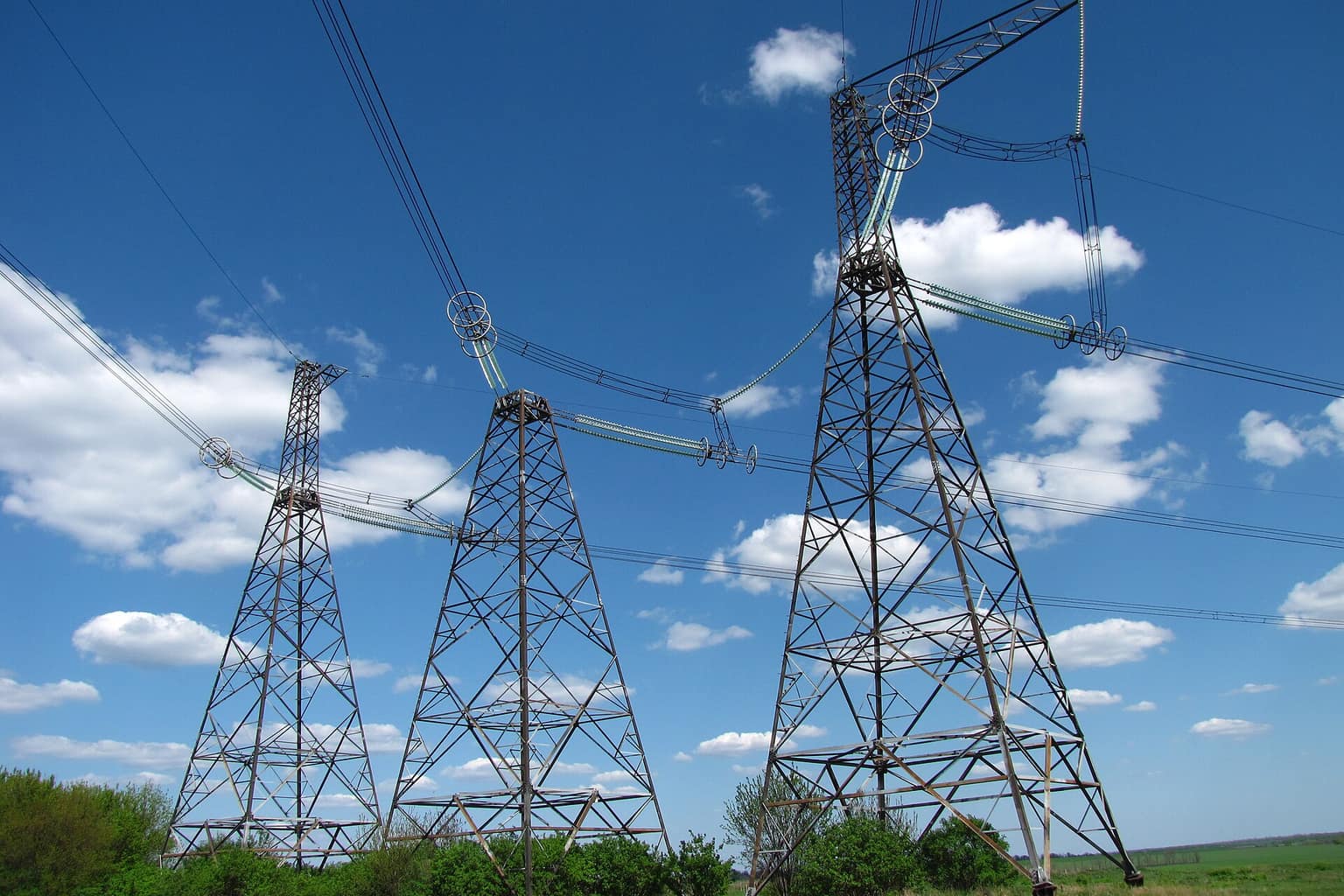
For years, the European power grid kept a rhythm nobody could explain. Every 60 seconds, its frequency dipped briefly. TenneT Germany, the largest transmission system operator in Germany, recorded the pattern over several years. The dips were not critical to grid security, but they were clearly measurable and unusually regular. Now a team from the Jülich Research Center says it has found the source: battery storage systems that check their state of charge every minute.
The finding came after what Witthaut calls "years of detective work." The grid frequency carries many signals, from electricity trading that switches power plants on and off to the fluctuating output of renewable sources. None of them repeats on a precise 60-second cycle. A single consumer or generator could be ruled out, since the effect appears only when many devices draw power at the same time. The clue came from the Living Lab Energy Campus on the Jülich site, where measuring points on end devices recorded the same periodic pattern exactly where large battery systems are designed to keep power supply uninterrupted. One of them showed a spike in consumption at the start of every minute, caused by its power check. No binding standard governs these checks, so the team suspects most manufacturers chose a 60-second interval and the top of the minute as the test time.
The spikes have real consequences. Each surge in demand makes hydroelectric turbines slow for an instant before they accelerate back to their original speed, which adds wear. The problem could grow as storage expands. In Ireland, where data centres with large battery systems account for around a fifth of electricity demand, the amplitude of the one-minute signal quadrupled between 2016 and 2021. The team found the phenomenon is global, not confined to Europe, and battery numbers have risen sharply worldwide in recent years.
Witthaut is careful about the scope. Batteries may be only part of the problem, since air-conditioning systems, heat pumps, washing machines and dishwashers could show similar patterns, and that possibility has not been ruled out. The remedy, however, is plain. Spreading the checks at random times instead of starting them all at the same moment would remove the synchronised spikes. For grid operators and hydroelectric plant owners, the likely cause is now identified and can be targeted. For battery makers, the change is a matter of setting the check schedule differently. The sources give no date for when that change would reach existing installations.
Sources — read the originals(Paris time)
Read next
Comments
Loading the thread…
Sign in to leave a comment. Sign in