Hyundai Parking Robots Tested in First Korean Apartment Complex
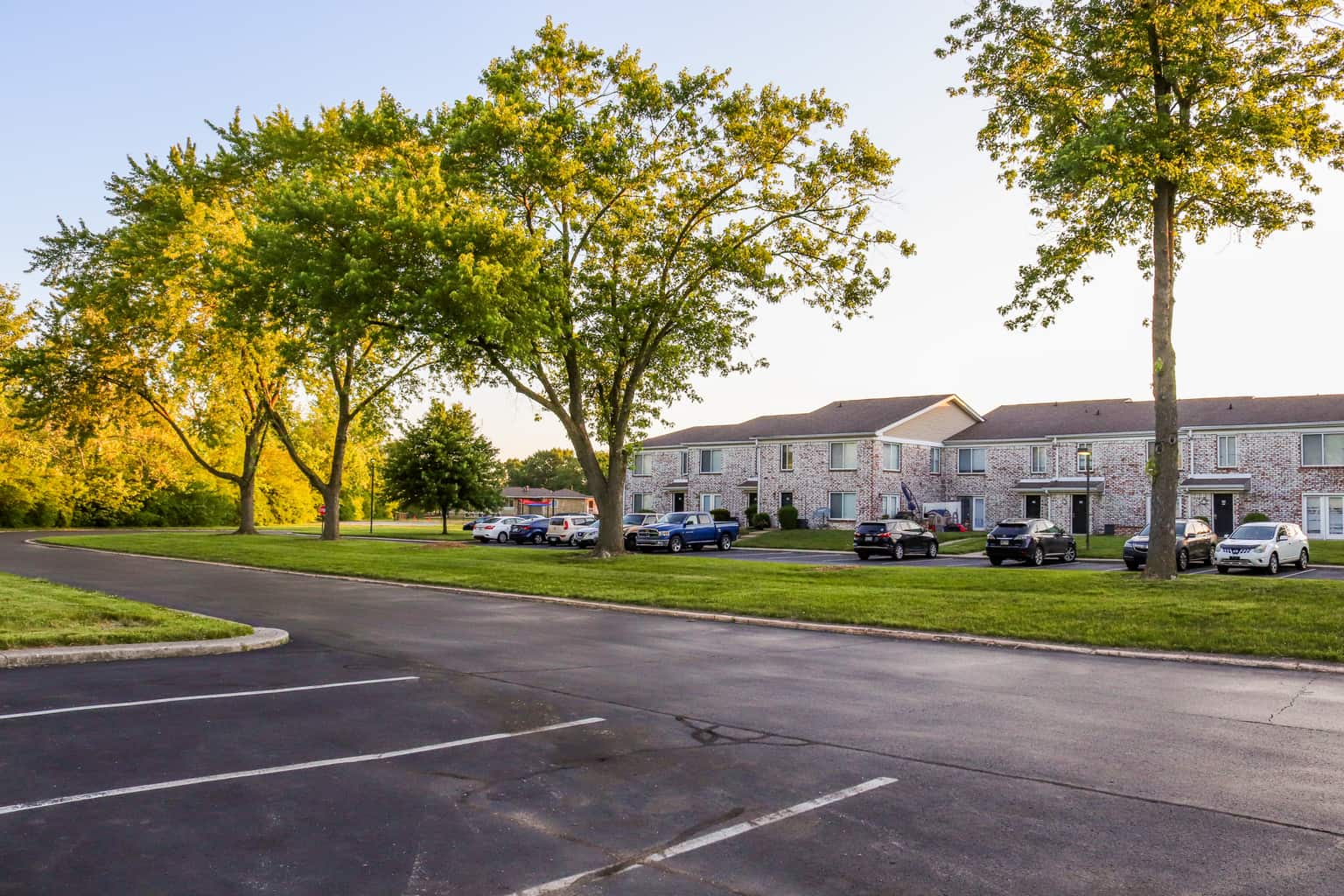
On the 29th, a parking area in one corner of the Hillstate The Wave City complex in Siheung, Gyeonggi Province, became the stage for robots. As officials from the Ministry of Land, Infrastructure and Transport and the Korea Land and Housing Corporation (LH) looked on, a resident requested a car exit through the wallpad, a wall-mounted terminal inside the unit, and the robot moved the vehicle to the exit zone in about 3 minutes.
The company showed three scenarios reflecting everyday residential conditions. It smoothly controlled bottlenecks where entries and exits converge at the same time. It also showed robots resolving double parking to improve parking efficiency, and a process in which a car is temporarily moved out to receive a delivery and then parked again. The complex's smart infrastructure, including the vehicle barrier, the wallpad and an artificial intelligence (AI) vehicle inspection system, was linked with the robots, bundling the service from the moment a car enters to the moment it leaves into a single process.
The significance of the trial lies in its scale. Hyundai Motor Group said it is the first time in South Korea that robots have been operated across more than 50 parking spaces at an actual apartment complex to test commercial viability. Its in-house “Smart Parking Control System 2.0” was also deployed on site. The company said the system can control up to 200 parking robots simultaneously. However, the demonstration did not show 200 robots moving at the same time.
Based on the trial data, Hyundai Motor Group plans to set operating standards and expand the scope of application to transport hubs such as airports, as well as commercial and business facilities. It did not disclose the timing or cost of expansion. Discussions with relevant agencies on legal and institutional improvements for the stable establishment of the system are also ongoing.
Jung Ho-geun, senior vice president of the Future Strategy Headquarters at Hyundai Motor, said, “This trial is meaningful as a process of applying robotics technology to actual urban spaces,” adding, “We will implement the related technologies so that parking areas develop into smart city hubs where people, mobility and urban infrastructure are connected.”
Sources — read the originals(Paris time)
Read next
Comments
Loading the thread…
Sign in to leave a comment. Sign in