In aged rats, a drug rejuvenates liver cells and halves amyloid beta
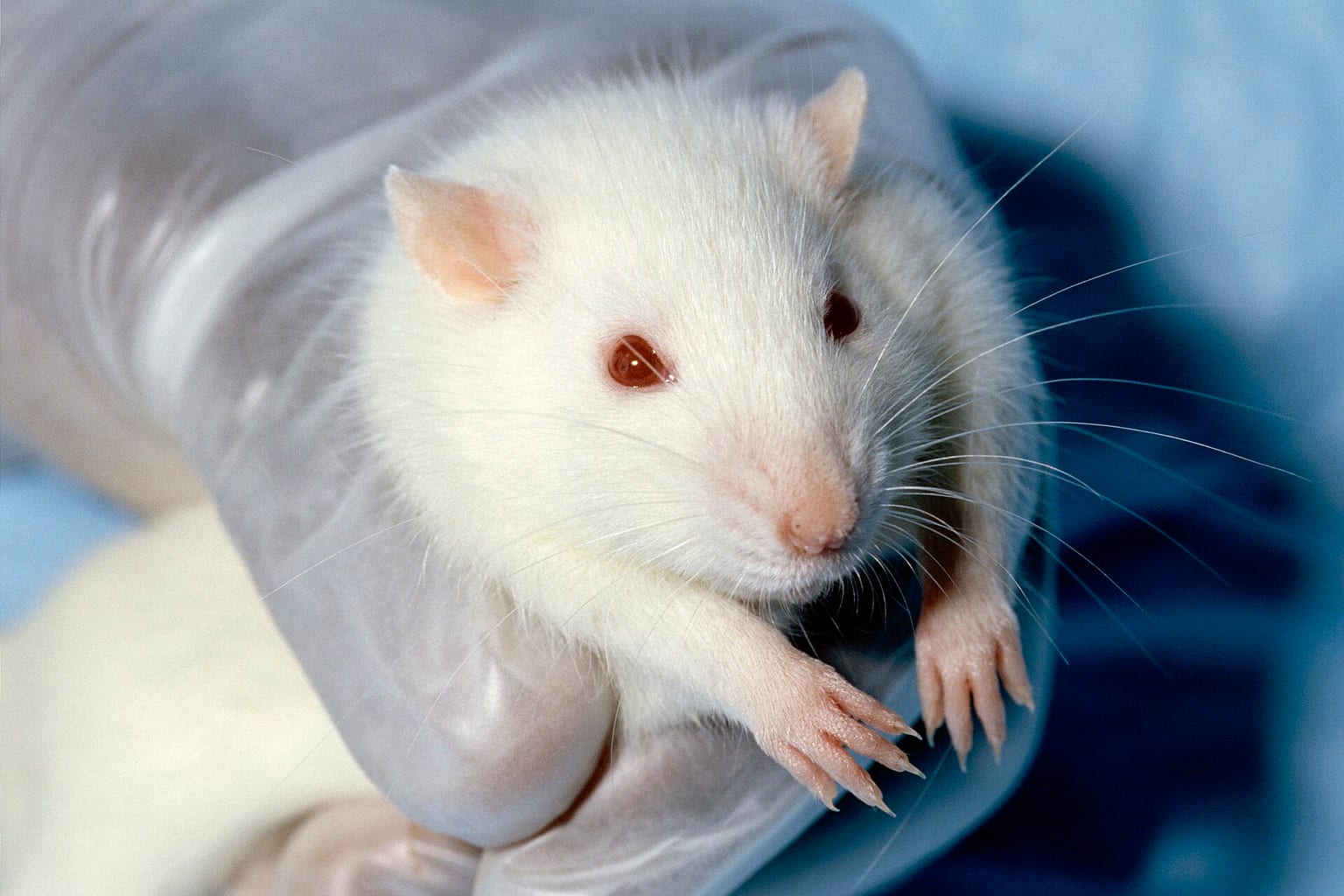
In a study of aged rats, a single experimental drug cut the amyloid beta levels of the animals in half within weeks. The protein is the one that forms plaques in the brain linked to Alzheimer's disease, and the drug acted on the liver, not the brain. The work comes from the Keck School of Medicine of the University of Southern California and was published in the Journal of Biological Chemistry.
The liver filters harmful substances from the body, and its work depends on a little-studied group of cells called liver sinusoidal endothelial cells, or LSECs. These cells line the liver's blood vessels and are pierced with tiny holes, like sieves, that let larger molecules reach the hepatocytes, the cells that do most of the clearing. With age, those holes shrink and close. The team, led by corresponding author Laurie DeLeve, professor and vice chair for scientific affairs in the USC Department of Medicine, suspected that this narrowing explained why amyloid beta builds up in older bodies.
The LDL measurements brought a surprise. LDL particles are small enough to leave the blood without the holes, so the team had used them as a control. Instead, LDL levels in treated aged rats fell to the level of young rats. Following that clue, the researchers uncovered a chain reaction between the two cell types: cinaciguat activates a messenger called soluble guanylate cyclase in the LSECs, which then release a growth factor, HB-EGF. This factor prompts hepatocytes to change their surfaces so they can grab LDL and amyloid beta. With age, the LSECs lost the ability to release it, and the drug restored that capacity.
The authors describe this as the first drug shown to fully restore the shape and function of LSECs, including their clearing capacity, and the first liver-directed treatment to normalize the amyloid beta and LDL levels that rise with age. The limits are clear, though: the experiments were carried out in aged rats, and DeLeve said that 'further translational work' is needed to see whether the findings point to new therapies. Alzheimer's treatments aimed at the brain have a 98% failure rate in clinical trials, and the team argues that the liver offers an easier target, since reaching the brain means crossing the blood-brain barrier, which Sam de Leve, a lab technician and first author, called 'obnoxiously difficult'.
For patients, nothing changes yet. If the team's next step works, the study could open a route to tackling two risk factors, Alzheimer's and clogged arteries, with a single drug delivered to the liver. The researchers will continue in rats to test whether lowering amyloid beta with cinaciguat translates into measurable prevention of Alzheimer's, and they note that HB-EGF may become a future drug target.
Sources — read the originals(Paris time)
Read next
Comments
Loading the thread…
Sign in to leave a comment. Sign in