In lab, light and sound turn wood waste into research compounds
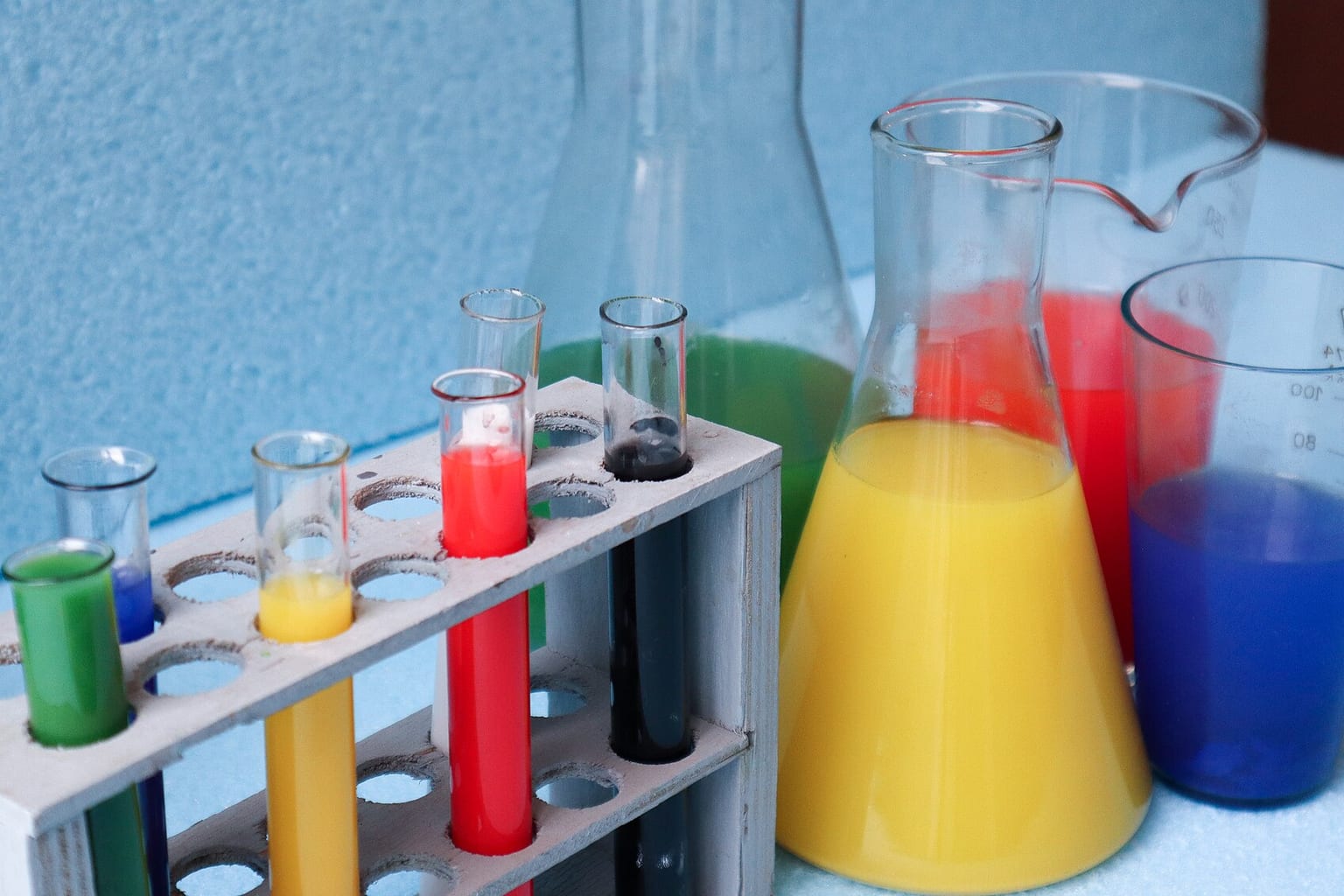
Inside a reaction vessel, sound waves too high for human ears make microscopic bubbles form and collapse violently. Light switches on the catalyst. In two recent studies from the research group led by Juan Carlos Colmenares, at IPC PAS, this combination turns a wood byproduct into molecules for pharmaceutical research, in a single chemical step.
Lignin is one of nature's most abundant polymers, and it is usually simply burned as a byproduct of wood processing. The chemistry of drug-research molecules often depends on fossil feedstocks, high temperatures, strong oxidants and metals, which raise costs and complicate purification. Here the aromatic structures of lignin become building blocks. The energy comes from the collapsing bubbles, generated locally where the chemistry happens, so the whole system does not need to be exposed to extreme heat.
Marta Paszkiewicz-Gawron and colleagues transformed coniferyl alcohol into dehydrodiconiferyl alcohol (DHCA), a compound formed by linking two coniferyl alcohol units. Under optimized conditions the reaction reached 100% substrate conversion and 54% selectivity to DHCA, and it stayed stable during a 24-hour test. Acoustic-field mapping showed that ultrasound is not only a mixing tool: its intensity and distribution can steer which products form. DHCA has previously been studied in preclinical work on wound healing and on the regulation of bone-forming cells.
Behdokht Hashemi Hosseini and colleagues built a metal-free catalyst from lignin and chitosan, a material obtained from chitin found in sources such as crustacean shells. It joined two acetovanillone molecules into diapocynin, with more than 97% selectivity and a 33% yield. Diapocynin is the dimer of apocynin, an inhibitor of the NADPH oxidase enzyme, and it is being investigated in disease models for limiting damaging reactive oxygen species. The team shows that this kind of carbon-carbon bond can be formed without a transition-metal catalyst.
For drug researchers, the gain would be a cleaner way to make specific molecules, with less scarce metal, fewer fossil inputs and wood or shell waste as raw material. The timeline is open: the researchers give no date for applications, and they describe both results as laboratory proofs of concept, not finished medicines or industrial processes. Yield, molecular scope and scale-up still require further work.
Comments
Loading the thread…
Sign in to leave a comment. Sign in