In-lab robots now run heat-coating experiments from start to finish
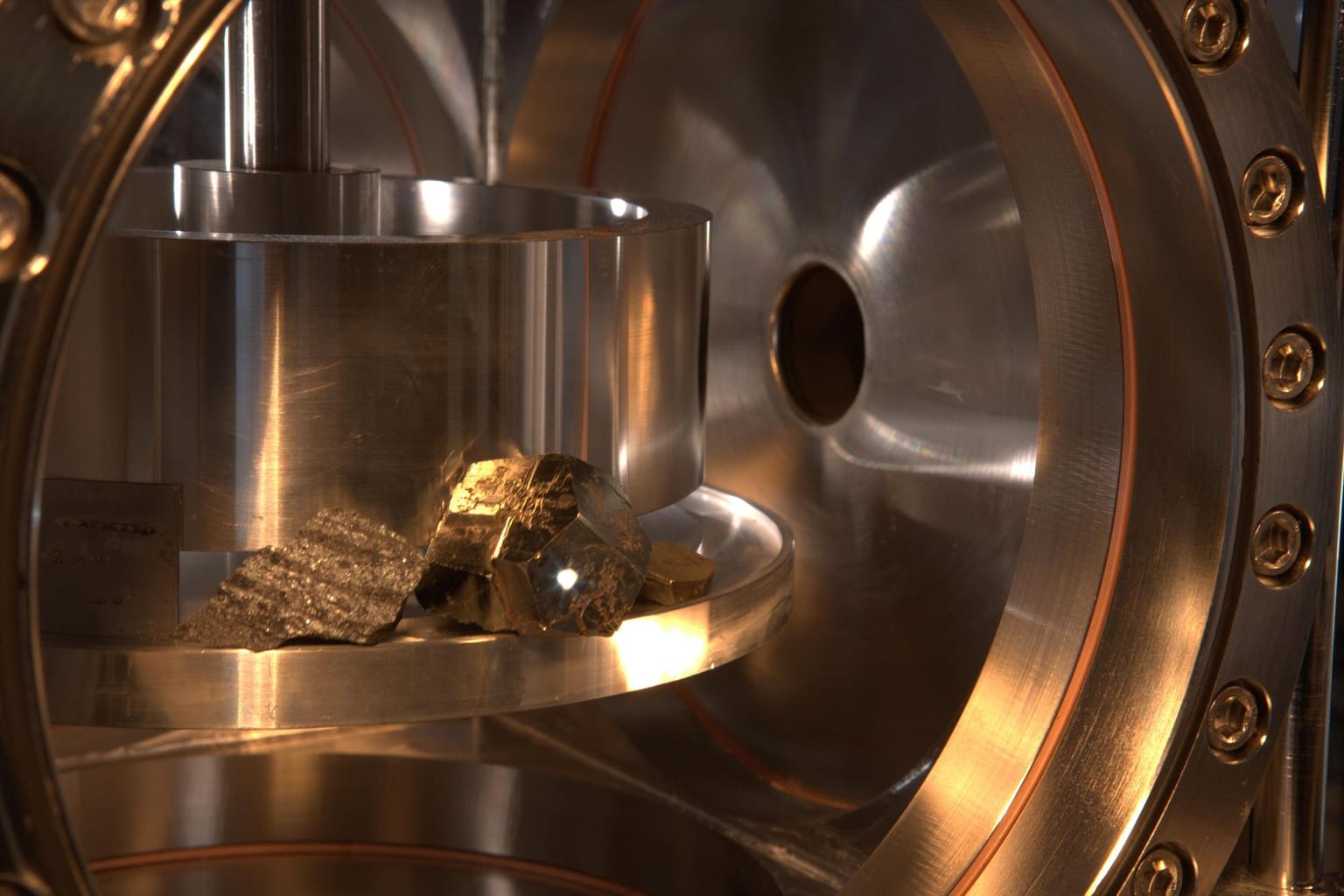
A robotic lab at the University of Nottingham now takes a coating material from a liquid mix to a fired, cooled sample without a person at the bench. The steps that used to be done by hand, one after another, run in a single coordinated sequence. Two robotic arms, a specially designed liquid-dispensing tool and purpose-built software do the work, and an AI decides what to try next.
The problem this addresses is slow repetition. Developing materials for extreme environments usually means preparing samples, processing them and testing their properties again and again, and each round needs many individual steps. Robots already automate repetitive tasks in many labs, but linking chemical preparation, sample handling and high-temperature furnace processing into one reliable workflow is harder, and that is the piece the Nottingham team built. Calibration experiments first showed accurate liquid dispensing with several different liquids. The team then ran the full chain: preparing a precursor solution, moving the material into the furnace, controlling the cooling and retrieving the processed sample.
The AI component relies on what is called 'active learning': it uses the results of earlier experiments to pick which material compositions deserve testing next. Using this approach, the researchers identified and prepared several candidate materials with a pyrochlore crystal structure, investigated as possible thermal barrier coatings. These coatings act as heat shields, reducing how much heat reaches the metal parts underneath, and they matter most in aerospace, where engine parts face intense temperatures. The candidates are chosen for their low thermal conductivity, meaning they transfer heat poorly. Their behaviour as coatings has not yet been reported.
For materials researchers, the practical gain is fewer hours of manual work per experiment and more consistent results from one run to the next. Professor Tanvir Hussain, who leads coatings and surface engineering at Nottingham, describes the work as addressing 'an important part' of the challenge of making robots reliable across the stages of an experiment. The team's next step, as its researchers describe it, is to connect the robotic workflow with intelligent experimental planning and optimisation, which would let the lab choose and test materials with less human direction. The authors give no timeline for that integration, nor for coating tests on the candidates.
Sources — read the originals(Paris time)
Read next
Comments
Loading the thread…
Sign in to leave a comment. Sign in