In mice, a three-drug combo restores normal blood sugar
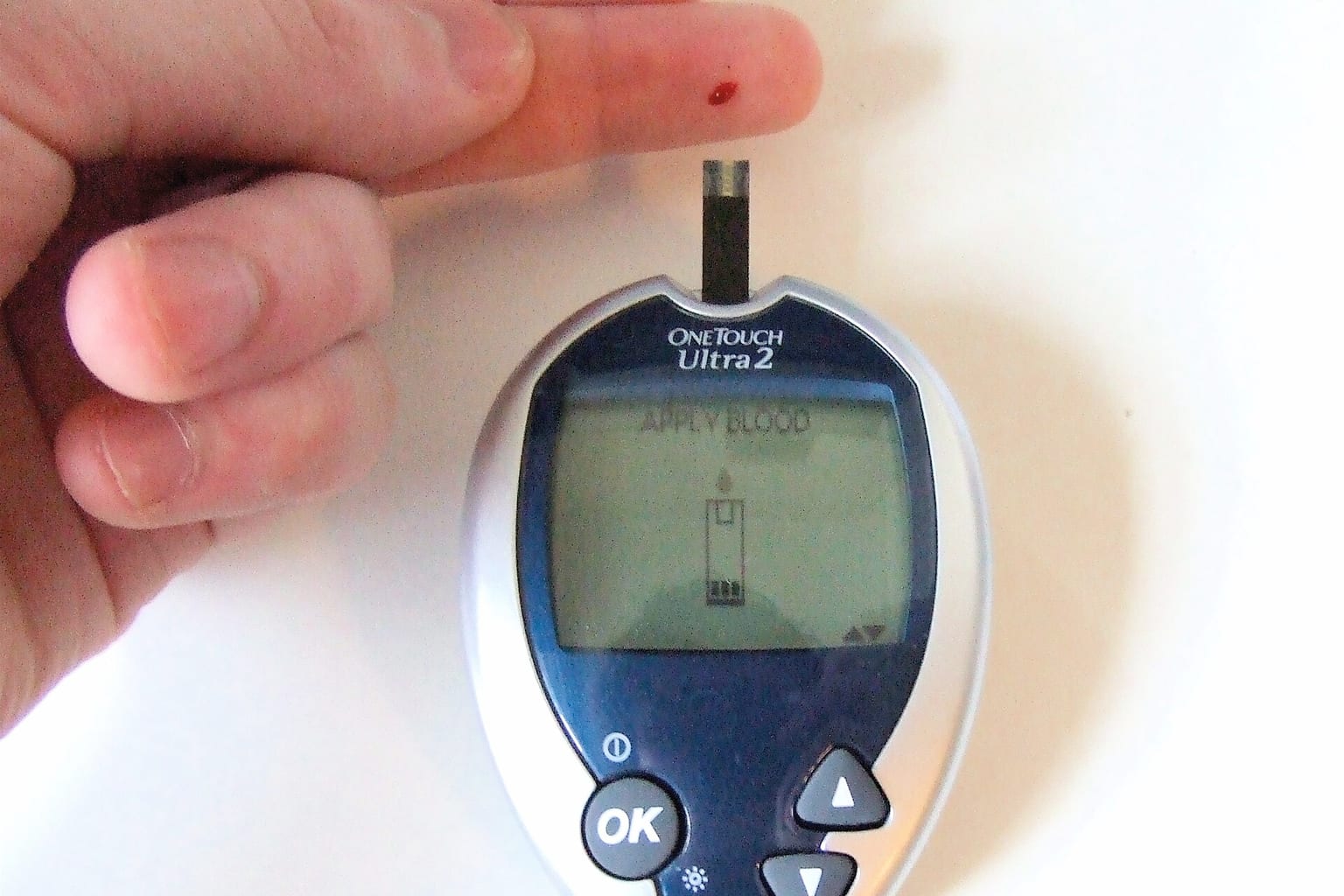
Roughly about 30% of the mice given a three-drug combination reached complete remission: their blood glucose returned to normal, they no longer needed insulin, and they stayed free of diabetes for weeks after treatment ended. The work comes from Bar-Ilan University's Azrieli Faculty of Medicine, led by Dr. Ron Piran, with Wisal Sawaed as lead author, and is published in MedComm. The mice were a model that closely resembles latent autoimmune diabetes in adults, or LADA, a slow-moving form of autoimmune diabetes often described as a slow-progressing type 1 diabetes.
The combination pairs three drugs that had each been studied on their own: gamma-aminobutyric acid (GABA), sitagliptin and omeprazole. The team asked whether together they could reduce the autoimmune attack on the pancreas while pushing its insulin-producing beta cells to recover. In the cured mice, new beta cells had formed, and the researchers found this happened mostly through the replication of existing beta cells, not just the survival of those that remained. The immune system also became less likely to attack the pancreas, which let the new cells survive and work.
The second finding concerns prediction. Before treatment, Dr. Shira Perez, head of the faculty's genomic center, analysed blood samples and identified two cell-free RNA (cfRNA) biomarkers, Adgrb1 and Chd5, that distinguished future responders from non-responders. The authors say the cfRNA analyses rest on a relatively small sample, and they list Sawaed, Eliyahu, Perez and Piran as named inventors on a patent related to this work.
For patients, the gain would come before the first dose. LADA accounts for an estimated 2%–12% of adult diabetes cases and often looks like type 2 diabetes at diagnosis, so many people start with therapy poorly suited to their condition. If the markers hold in humans, doctors could in principle select the patients most likely to benefit. No date for human testing has been announced, and Piran says that substantial additional research will be needed first.
The next question is whether Adgrb1 and Chd5 are highly expressed in people with LADA. The authors write that if they are, it would prompt further investigation.
Sources — read the originals(Paris time)
Pages consulted while writing
Read next
Comments
Loading the thread…
Sign in to leave a comment. Sign in