Particles from stem cells delay type 1 diabetes onset
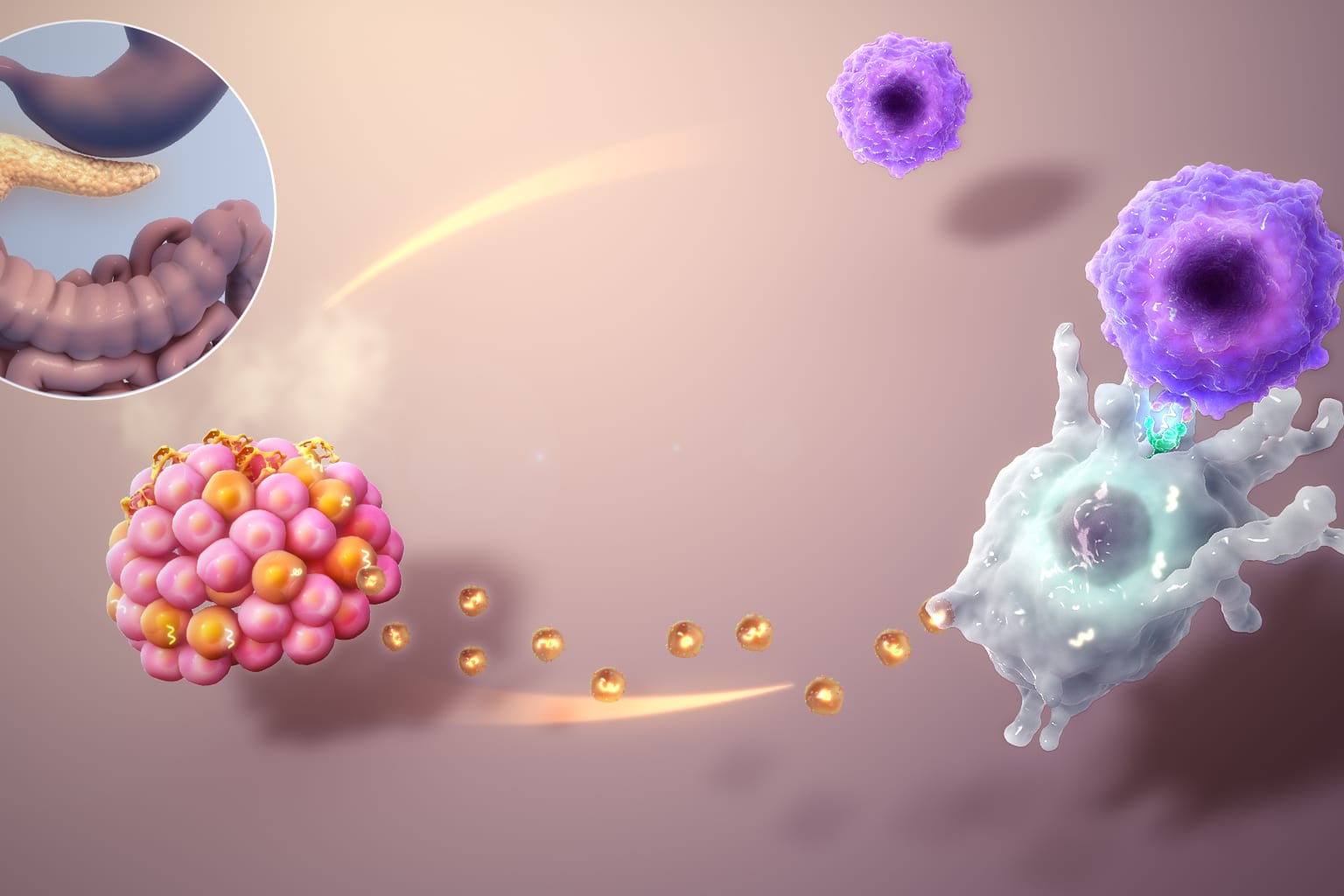
Mice that received tiny particles from stem cells kept their insulin-making cells for longer. In a study published in Nature Nanotechnology on 18 November 2026, a team at UCLA led by bioengineer Song Li reports that the particles delayed the onset of type 1 diabetes in mice. At the end of the 90-day experiment, 55% of the mice given the particles in a slow-release gel had not developed diabetes.
In type 1 diabetes, the immune system mistakes the insulin-producing cells of the pancreas for foreign invaders and destroys them. Insulin injections keep blood sugar under control, but they do nothing to stop that attack. The hard part is that the attack has to be halted while some of those cells are still working.
The idea came from pregnancy. A mother's immune system normally tolerates an embryo that carries genetic material from the father, which her body could otherwise reject. Li's team asked whether the particles that cells release to communicate with each other, called extracellular vesicles, might carry some of that tolerance. They compared vesicles from embryonic stem cells and induced pluripotent stem cells, known as iPSCs, with vesicles from mesenchymal stem cells, a type that has been studied for years for its anti-inflammatory effects. In experiments with mouse and human immune cells, the vesicles from embryonic and iPSC sources were more strongly anti-inflammatory, and they encouraged the growth of regulatory T cells, the immune cells that keep the body from attacking its own tissues.
The particles are cleared quickly from the spot where they are injected, so the team packed them into an injectable hydrogel, a soft gel that releases them gradually over several days. The injection sits under the skin near the neck, where the particles reach lymph nodes, the immune hubs that send cells around the body. Two treatments, with or without the gel, significantly delayed diabetes compared with untreated mice. The gel group also had more regulatory T cells in its lymph nodes and kept more of its insulin-producing tissue. Li said the result surprised the team: a local injection protected the whole body.
Another obstacle was volume. Growing stem cells on flat lab dishes yields few particles, so the team grew them in three-dimensional clusters floating in gently moving liquid. That raised vesicle production 3.4-fold per million cells while keeping the particles' key characteristics. Because iPSCs multiply extensively in the lab, they could offer a steadier source than adult stem cells, whose growth is more limited.
For people, the most promising use is early in the disease, while some insulin-producing cells still function. Immune regulation cannot bring back cells that are already gone, but Li said it could help stop the immune system from rejecting transplanted insulin-producing cells. The authors also say the findings could inform research into other autoimmune diseases. The approach remains experimental, and the team has filed a patent application on it.
The next steps are larger animal models, work on dosing and long-term effectiveness, and tests of whether the treatment weakens defenses against infection. Until those are done, the particles remain a laboratory result in mice, not a treatment for patients.
Sources — read the originals(Paris time)
Pages consulted while writing
Read next
Comments
Loading the thread…
Sign in to leave a comment. Sign in