In mice, blocking ABCA1 protects dopamine neurons from Parkinson's
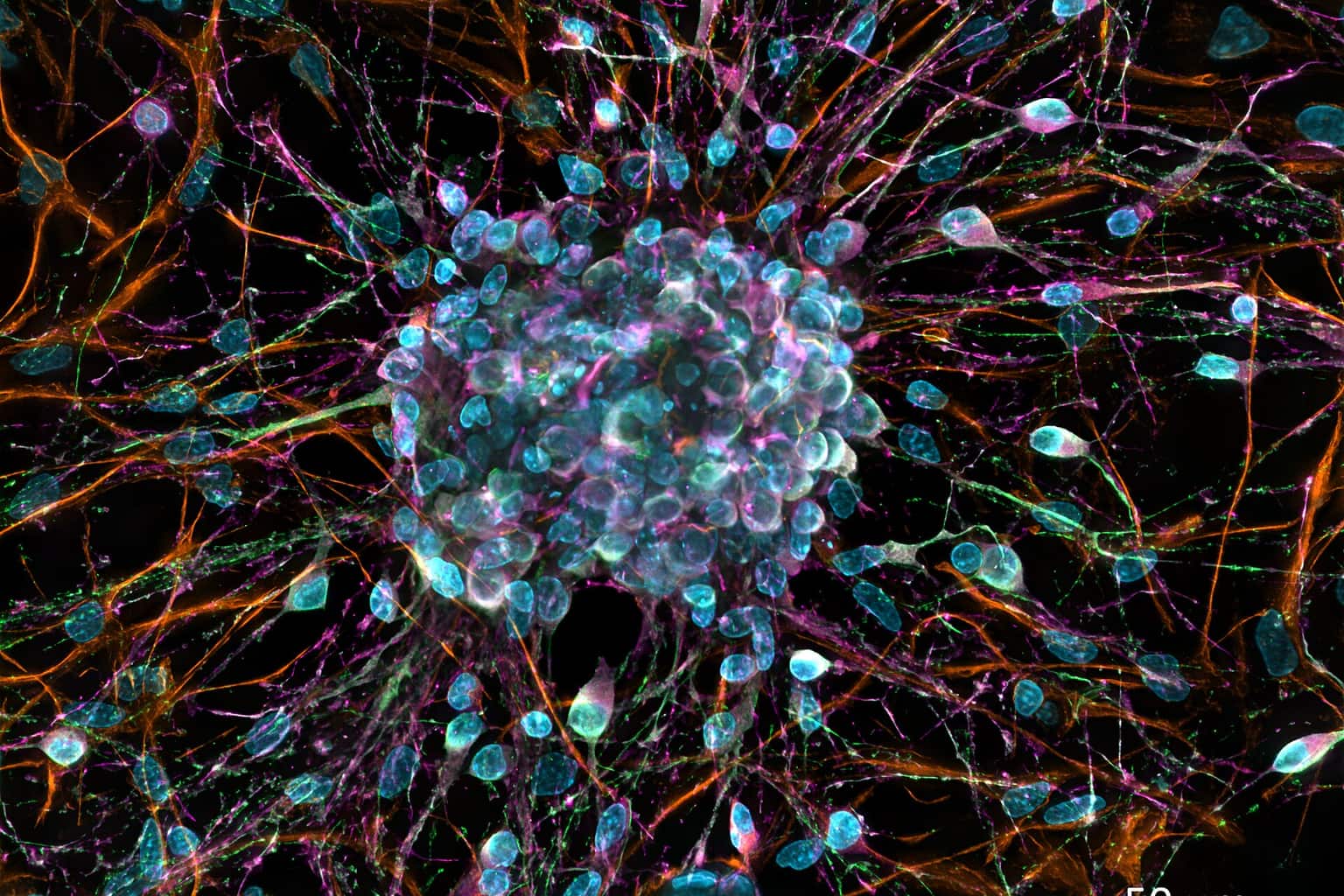
In the substantia nigra, a brain region, dopamine-producing neurons die off gradually, and with them go the tremors, slowed movements and rigid muscles that define Parkinson's disease. No treatment stops that loss today; the medications available only manage symptoms. In a study published in Nature Neuroscience, researchers at Nanjing Medical University report that switching off a single cholesterol transporter protected these neurons in mice.
Earlier studies had linked the disease to a buildup of cholesterol in the brain, but attempts to slow it by reducing cholesterol production have had limited success. Feng-xia Ma, Xin-xin Zhao and their colleagues instead focused on ABCA1, short for ATP-binding cassette transporter A1, a protein that moves cholesterol through the brain. Their analyses combined postmortem tissue from patients, mouse models and cells grown in the lab, and they found that ABCA1 expression is elevated in the substantia nigra of postmortem Parkinson's brains and in a mouse model of the disease.
The mechanism runs through two cell types. In astrocytes, the brain cells that supply neurons with cholesterol, ABCA1 drives an excessive release of cholesterol that ends up piling up in neurons. Inside neurons, ABCA1 helps push cholesterol into lysosomes, the small compartments that break down and recycle waste. There, cholesterol accumulates, impairs recycling and leads to an unusual buildup of alpha-synuclein, a protein that can fold abnormally and form clumps that damage neurons.
The team then tested the lever directly. Using adeno-associated viruses, engineered viruses that carry genetic instructions, they silenced the Abca1 gene in the mouse brain, and in the Parkinson's model this reduced neuronal damage and motor impairments. The researchers also screened substances that inhibit ABCA1 activity, and magnesium citrate reduced dopamine-producing neuron loss in the mouse model. As the authors put it, their findings “support ABCA1 inhibition as a potential disease-modifying strategy.”
For patients, nothing changes yet. The beneficial effects of magnesium citrate have not been established in humans, and the study does not set a timeline for clinical work. The next step the researchers point to is testing the substance in other animal models of Parkinson's; confirming its therapeutic potential there could eventually pave the way for human clinical trials.
Sources — read the originals(Paris time)
Read next
Comments
Loading the thread…
Sign in to leave a comment. Sign in