A DNA molecule keeps cells alive under Parkinson's-linked stress
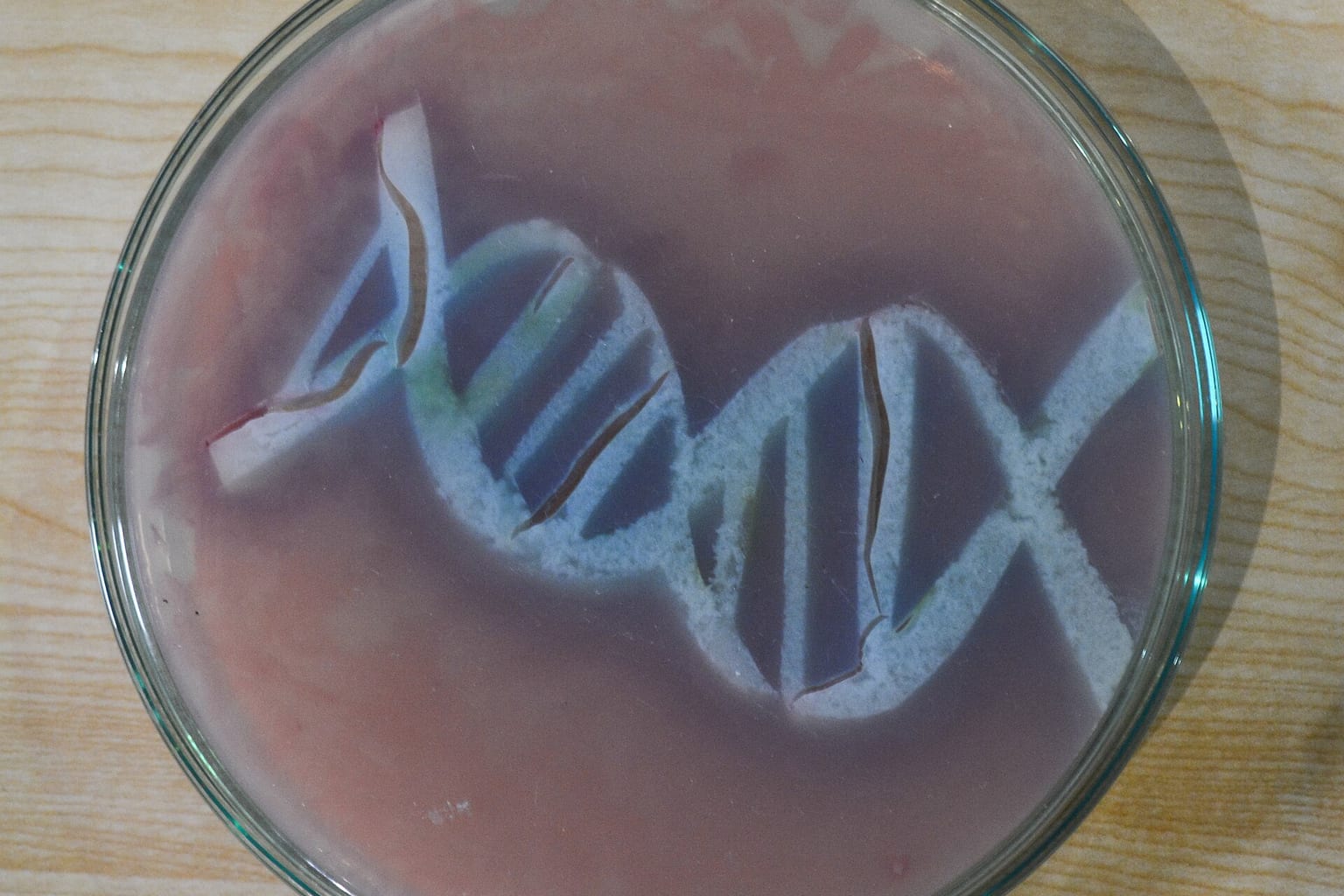
Give human cells a substance that researchers often use to mimic Parkinson's disease in the lab, and about 40% of them die. Add a short, carefully designed DNA molecule, and every cell in the experiment survives. That is the result a team at SINTEF, a Norwegian research organisation, reports, and it comes from a line of work that began with a worm.
In 2021, researchers at Oslo University Hospital found that switching off one specific gene in the roundworm C. elegans protected a type of nerve cell from age-related degeneration. These are the same kinds of cells that are affected in Parkinson's patients. The gene produces an enzyme that helps repair damaged DNA. Artem Komissarov, a research scientist at SINTEF, describes the repair crew as a team of specialists, each doing one precise job, "a bit like the mechanics during a Formula 1 pit stop". The catch is that this repair process does not always work in our favour. In experiments with human cells, when the enzyme is absent, the cells' powerhouses, the mitochondria, become more resistant to oxidative stress, a damage process closely linked to Parkinson's.
So the goal is to lower the enzyme's production without removing it entirely. The tool the team uses is an antisense oligonucleotide, or ASO: a short, synthetic, DNA-like molecule built to bind to RNA inside cells. Komissarov uses a library image to explain why the target is the copy rather than the gene. The DNA stays in the cell's nucleus, like a book on a shelf, while the RNA is a photocopy of one recipe that leaves to make a protein. The ASO attacks that copy. In a way, it is the opposite of an mRNA vaccine, which delivers a recipe for a protein; here the recipe is destroyed. And because the tool works on the copy, it can adjust how much protein gets made. "Instead of switching a gene on or off like a light switch, an ASO acts more like a dimmer," Komissarov says.
To find the right sequence, SINTEF used its own laboratory platform, which tests thousands of drugs, chemical compounds and cell samples in parallel, with robots that handle extremely small volumes. The team screened several ASO candidates. The most promising ones reduced the activity of the targeted gene by around 70%. Even at very high concentrations, 93% of the cells survived, which the researchers read as a generally low level of toxicity. The test cells were not nerve cells but a cell line widely used in laboratory research, and the researchers say the results do not yet show protection against Parkinson's itself.
That caveat is the heart of what comes next. Komissarov says the team is "at a very early stage" and notes that most new drugs being tested fail. The hope is to develop a medicine that could slow the progression of the disease over the long term. For patients and families, that would mean a treatment aimed at the process beneath the symptoms rather than at the symptoms alone. Visnes points to the ageing population and to the growing burden the disease places on patients, families and health systems, and frames the goal as keeping people healthy and reducing the need for care for longer. No date has been given for any of this, and the team has not announced a timeline. What the team has announced is a patent application on the technology, and work on other neurodegenerative diseases. The next question is how far the enzyme can be turned down to get the best therapeutic effect without unnecessary side effects, and that is the experiment still to come.
Sources — read the originals(Paris time)
Pages consulted while writing
Read next
Comments
Loading the thread…
Sign in to leave a comment. Sign in