Candidate drug cuts harmful SCA3 protein up to 90% in lab neurons
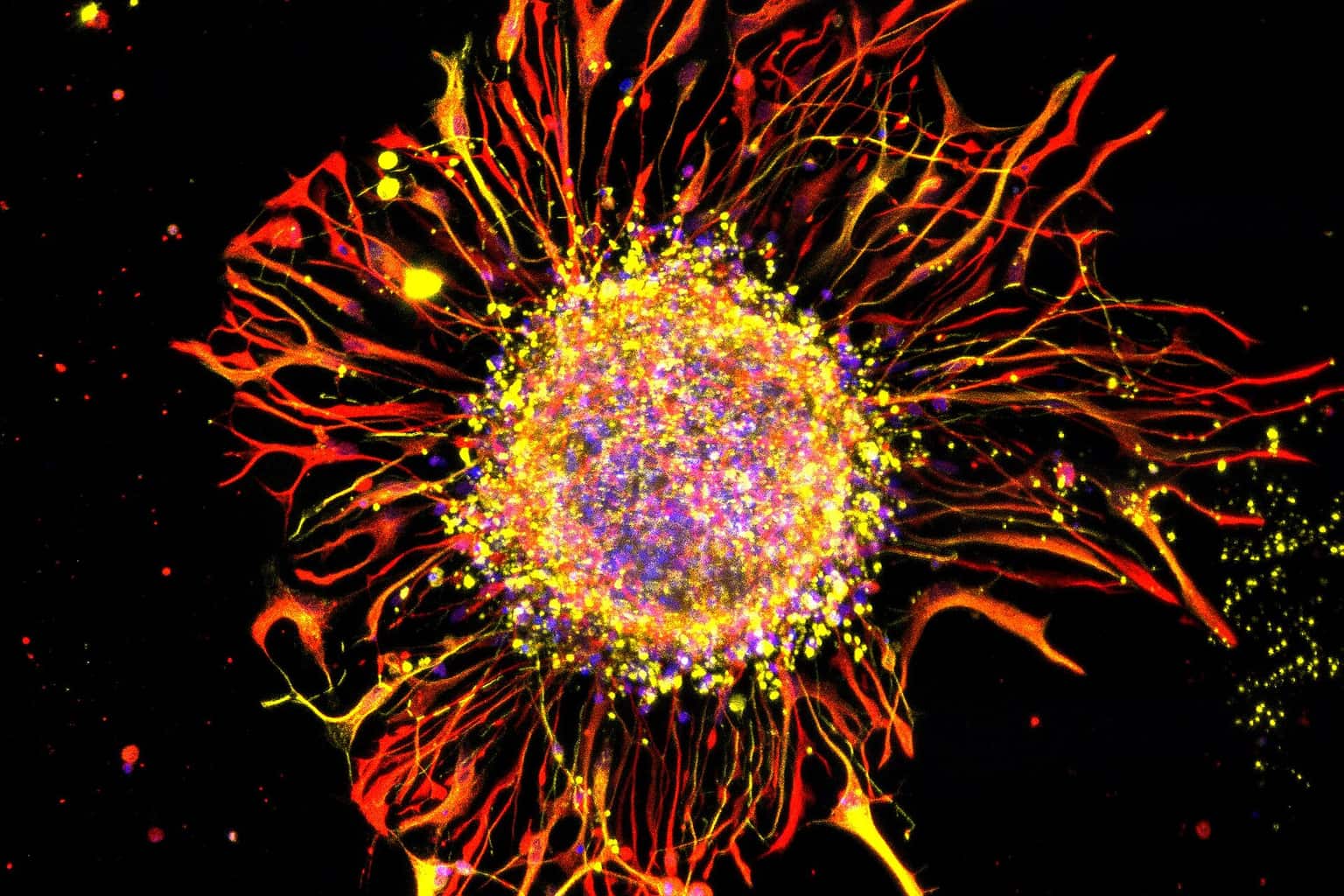
Inside a laboratory, human nerve cells grown in culture have been treated with a drug designed to do one thing: reduce a single harmful protein. Researchers from DZNE and the Hertie Institute for Clinical Brain Research (HIH) at the University of Tübingen, working with experts from Bonn, London and Portugal, report in Science Translational Medicine that the approach works in these cells. The target is spinocerebellar ataxia type 3 (SCA3), also called Machado-Joseph disease, a severe inherited disorder that can cause difficulties with walking, speech and eye movements.
The disease begins with a DNA stretch that is repeated too many times in one copy of a gene. That copy produces a harmful form of the protein ataxin-3, while the second copy keeps making the normal version, which performs important functions in the cell. Earlier antisense-based approaches attacked the toxic protein, but the healthy form was often caught as collateral damage. The team, led by Dr. Stefan Hauser, analyzed the genome of 79 individuals with SCA3 and found subtle differences between the two copies, known as SNPs (single nucleotide polymorphisms). The new drugs are designed to recognize these differences.
The result is the core of the study. The most effective of the substances tested reduced the amount of toxic ataxin-3 by approximately 90%, while the normal protein was largely preserved. As Hauser puts it, “Our approach is therefore highly specific.” These figures come from the team's own experiments on cultured human neurons. They have not yet been tested in patients, and the researchers describe them as a starting point.
For people living with SCA3, the stated goal is a treatment that would ease symptoms and slow the disease's progression. That remains an aim, not a result. The next step, according to the team, is to optimize the most promising drugs and study their efficacy and safety in more complex laboratory work. Clinical trials in humans are the long-term goal, and Hauser says that getting there will likely take some time. No date is given.
Sources — read the originals(Paris time)
Read next
Comments
Loading the thread…
Sign in to leave a comment. Sign in