Gene editing shortens Huntington's DNA repeats
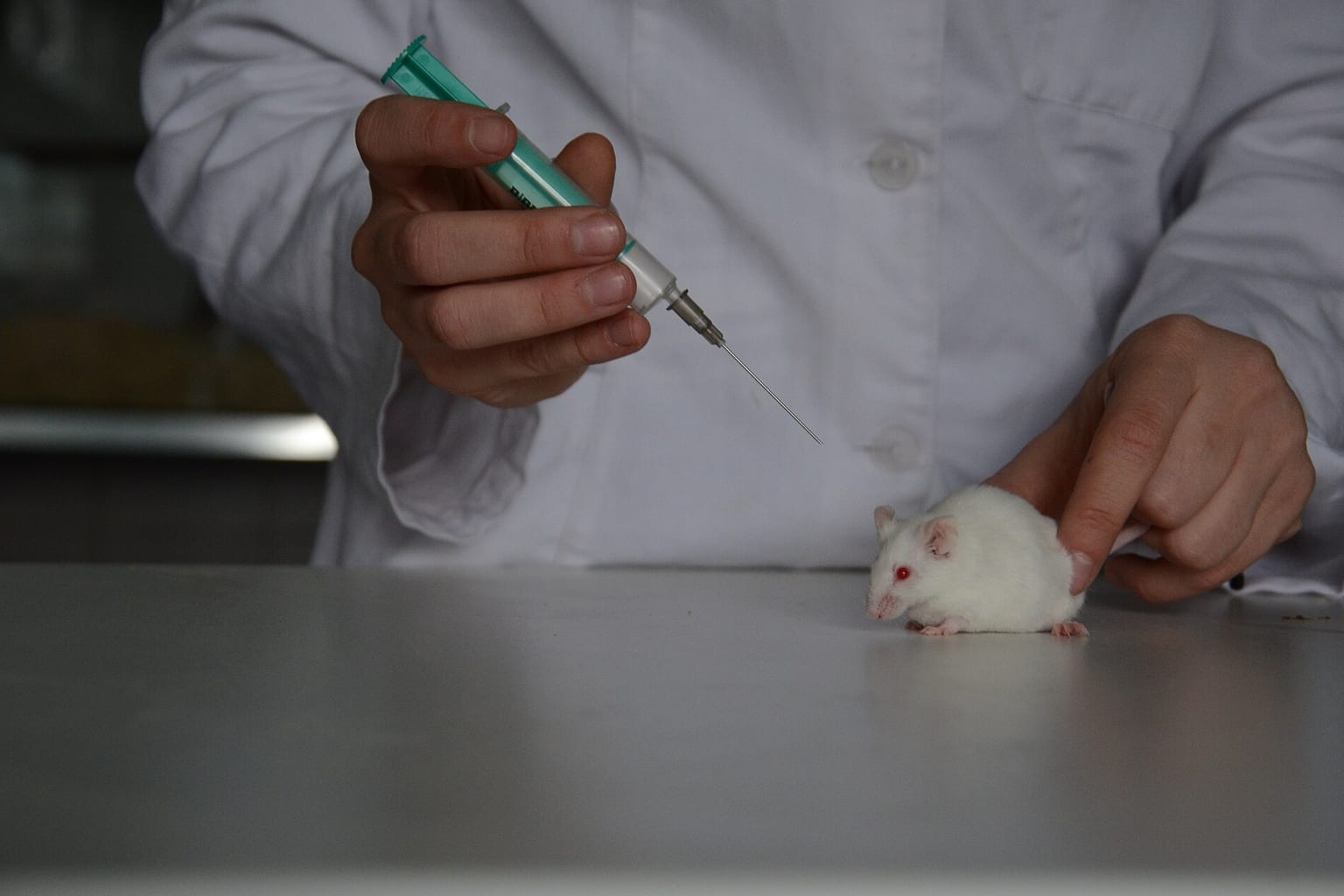
In the mouse brain, a single cut on one strand of DNA was enough to shorten the repeats that drive Huntington's disease in most of the neurons targeted. The striatum, the region hit first and hardest by the disease, was the site of delivery. For a condition with no cure, that is a result worth watching closely, even if it is still far from a medicine.
Huntington's disease is caused by CAG sequences in DNA that repeat and expand abnormally over time, which leads to a buildup of toxic protein. The rare and fatal disease has no treatment that changes its course. Professor Vincent Dion, who led the team at the UK Dementia Research Institute at Cardiff University, explains that the length of these repeats accounts for most of the variation in how severe the disease is. Targeting them is therefore a logical route. The obstacle has been the tools. Traditional gene-editing techniques cut both strands of DNA to disable a mutated gene, and this can trigger unpredictable rearrangements, off-target mutations or damage to healthy copies of the gene.
The team turned to Cas9 nickase, a variant of the CRISPR gene-editing method that cuts only a single strand within the repeated CAG/CTG sequences. The therapy was packaged into viral vectors and delivered directly to the striatum in mouse models. Dion's team reports that it shortened the DNA repeats in the majority of targeted neurons, led to fewer toxic huntingtin protein aggregates, restored healthier gene expression pathways in brain cells and produced significant improvements in motor function during locomotion tests. The researchers say no unwanted mutations were detected in brain cells in these mice.
For patients and their families, the time horizon is still open. The researchers say much more research is needed, and that their results apply only to mouse models. Delivery must be optimized for stable, long-term expression of the editing tools without triggering immune responses. The team also wants to know whether treating animals at earlier stages can prevent neurodegenerative damage before symptoms appear, and to run rigorous safety and efficiency tests in larger preclinical models. Only after that would human clinical trials become possible. The approach may also apply to other genetic diseases caused by expanded repetitions in genetic codes, a possibility the team has not yet tested.
Sources — read the originals(Paris time)
Read next
Comments
Loading the thread…
Sign in to leave a comment. Sign in