In mice, psilocybin rapidly builds new brain connections
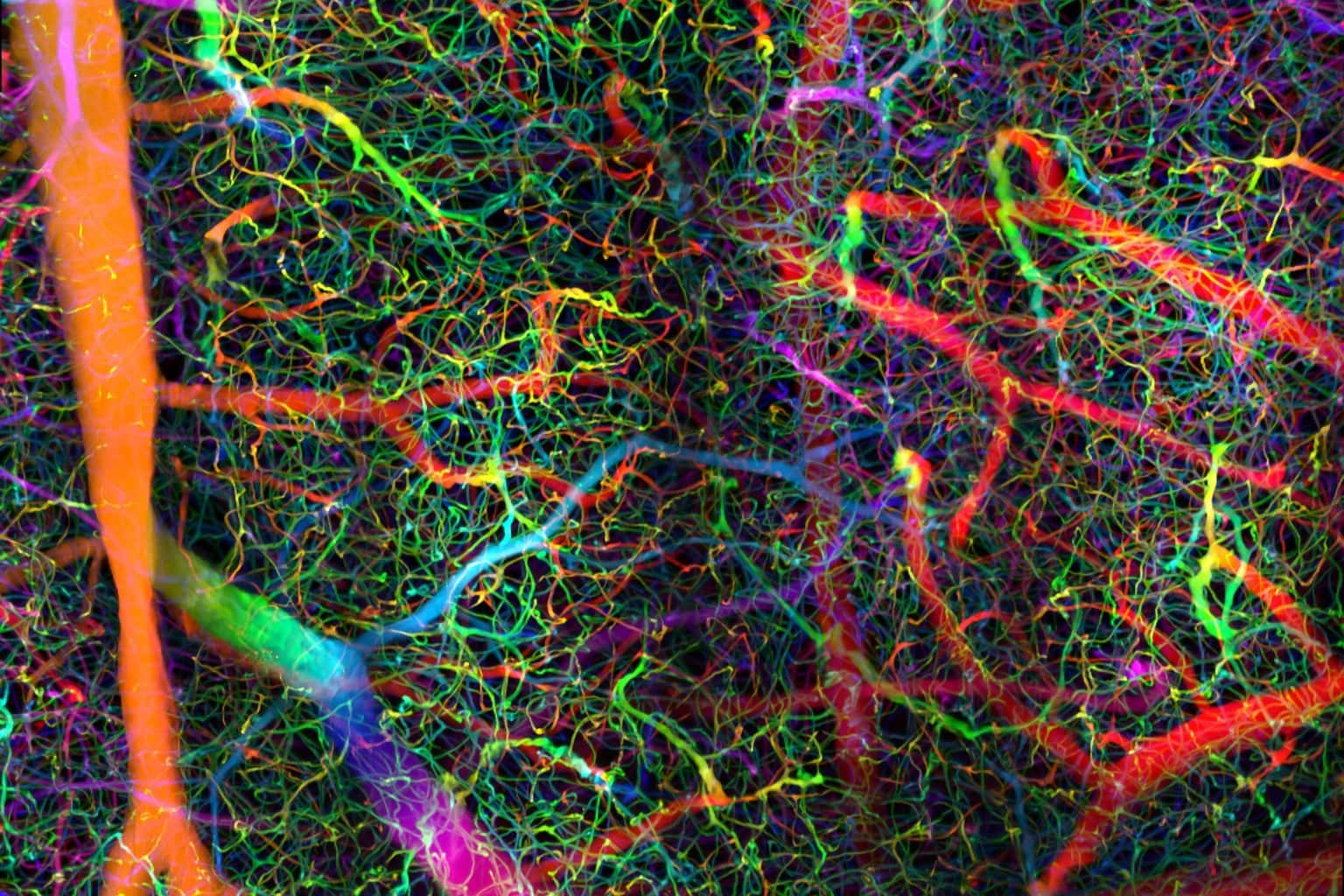
In a laboratory at the University of California, Santa Cruz, a mouse's brain was watched for weeks, one tiny connection at a time. After a dose of psilocybin, the psychoactive compound of "magic mushrooms", new connections between neurons appeared within 24 hours, and many of them grew into the large, stable shapes that carry lasting signals. The results, published in Nature Neuroscience, show in mice how the compound reshapes the brain's wiring.
The researchers used two-photon microscopy, an imaging technique that follows individual dendritic spines, the small protrusions that act as docking points for signals from neighbouring neurons, in living tissue. Untreated mice produced new spines that stayed short-lived and unstable. Under psilocybin, a significantly higher proportion of new spines matured into "mushroom" shapes, equipped with receptors able to hold strong, lasting signals. The team also pinpointed a specific group of cortical neurons that is critical to this remodelling, and it found that psilocybin also eliminated some connections that already existed.
The effect is not the same in every brain. In healthy control mice, the rise in new connections was temporary, and the brain returned toward its baseline over three weeks as older connections disappeared, which kept its structure stable while updating its wiring. The researchers also tested mice exposed to chronic stress, using an unpredictable mild stress model that mimics depressive states. There, psilocybin behaved markedly differently, which means the drug's impact depends on a brain's prior exposure to stress.
What this changes is mainly a method. The study gives a cellular framework for designing treatments that promote plasticity, the brain's ability to rewire, while producing fewer hallucinogenic effects. Its authors say it may inform future research into depression, post-traumatic stress disorder (PTSD) and other psychiatric conditions, and they describe the work as a major advance in understanding how psilocybin reshapes neural circuits. No timeline for clinical use is given, and nothing in the study shows that the same changes occur in people.
The regulatory context moves in parallel. The FDA's public hearing of September 2026, titled "Considerations for Potential Future Therapeutic Use of Psychedelic Drugs", brought experts together to define provider credentialing, risk evaluation and mitigation strategies (REMS), and clinical trial designs.
Sources — read the originals(Paris time)
Read next
Comments
Loading the thread…
Sign in to leave a comment. Sign in