In mice, experience reshapes synapses across many brain regions
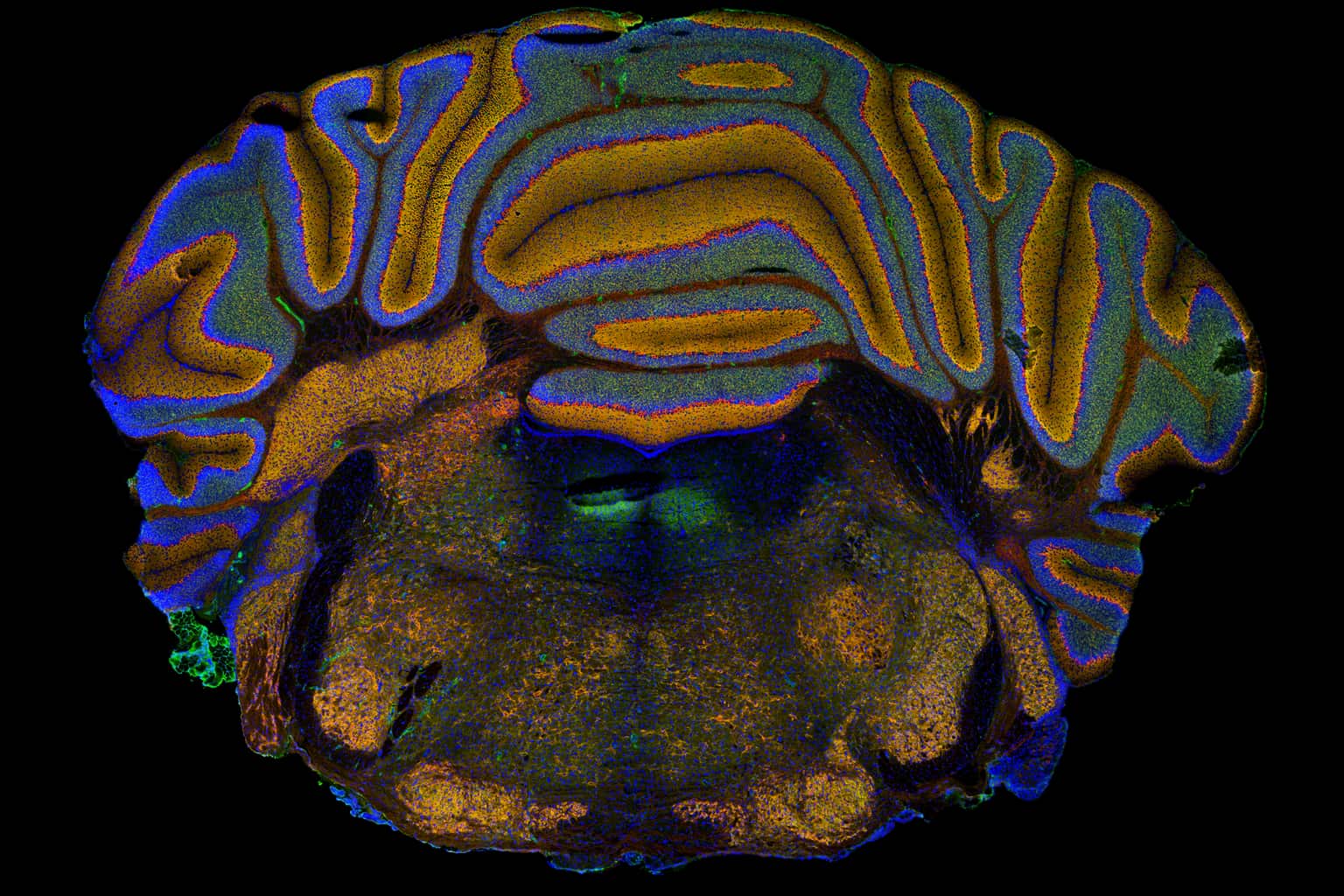
Put a mouse in an enriched cage, with running wheels, mazes that change and other mice to socialize with, and its brain starts to change in ways that can now be counted. A team led by the University of Edinburgh mapped the connections between nerve cells across the whole brain of mice raised in such environments. The result: distinct types of synapses respond differently. Some grow in number, some shrink, and others do not move at all.
Synapses are the points where nerve cells pass signals to one another, and they can form, disappear or change their structure. Experience has long been known to alter them, but earlier studies looked at a limited number of synapses in localized areas. The team used synaptome mapping, which combines high-resolution microscopy with automated image analysis, to study billions of individual connections. A related bioRxiv preprint describes the method as covering 37 types of excitatory synapses across more than 100 brain regions.
To test how far a single sense reaches, the researchers closed one eye of some mice for one week. The changes did not stop at the visual areas: synapses also shifted in regions linked to other senses and to memory. Overall synapse density did not increase, so the quality and type of connections matter more than their number, the researchers say. A separate study of cerebral ischemia, which reported that enriched housing increased synapse numbers in both hemispheres of the brain, points in another direction. But that study concerned brains recovering from injury, and the Edinburgh work did not, so the two results are not directly comparable.
The map offers a way to ask why some experiences support the brain's adaptation while others impair its function, and the team says it could point to interventions that modify synapse populations disrupted by genetic factors or injury. Those are proposals for now: no treatment has been reported, and no timeline has been announced.
The next questions are about people. Seth Grant, professor of molecular neuroscience at the University of Edinburgh, said the findings raise questions about how different combinations of sensory, physical, social and learning experiences shape the brain's molecular architecture. He also pointed to prolonged phone or tablet use as an experience worth studying. Those questions are open, and the mouse data cannot answer them yet.
Sources — read the originals(Paris time)
Pages consulted while writing
Read next
Comments
Loading the thread…
Sign in to leave a comment. Sign in