In mice, removing neutrophils cuts cancer spread to lungs
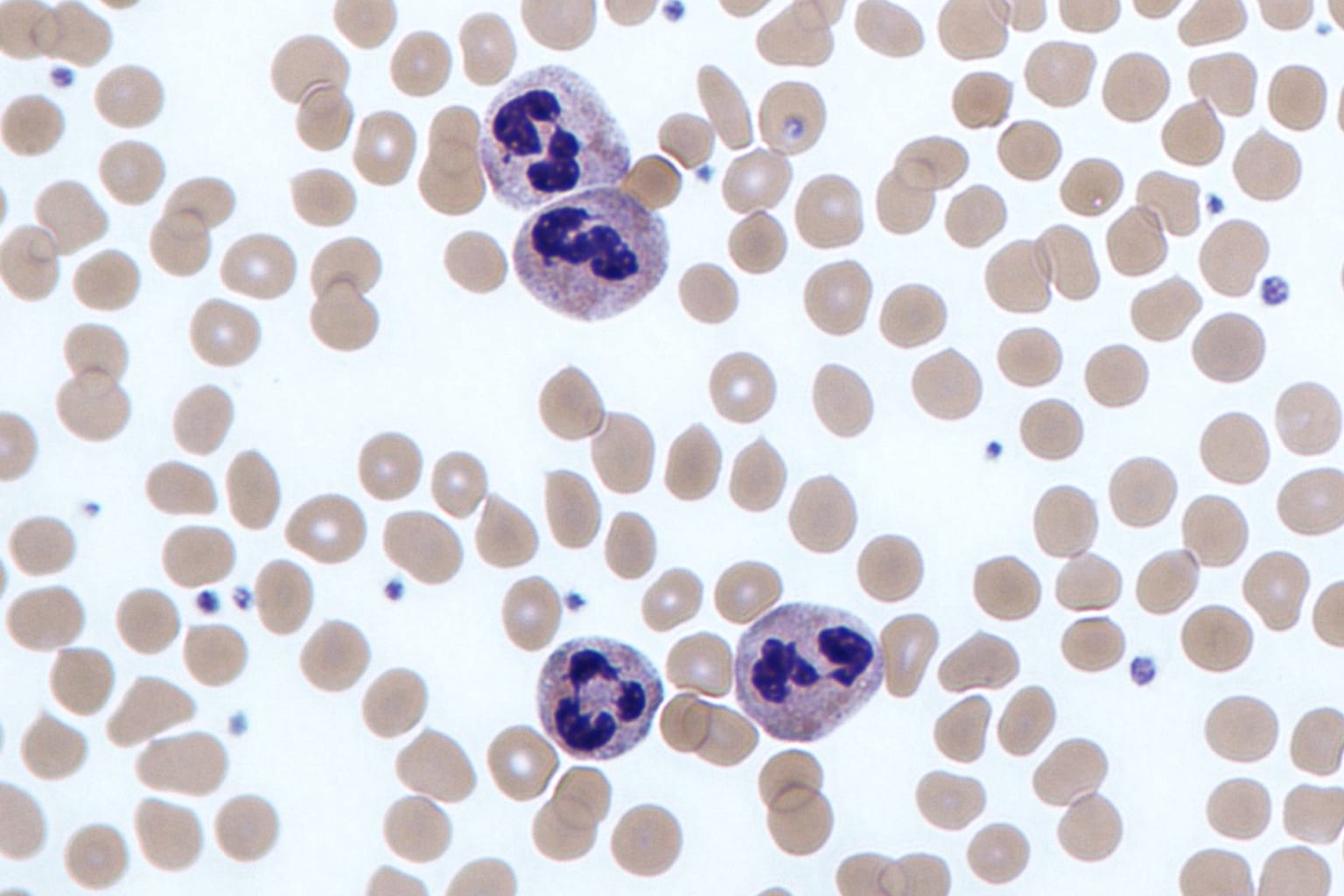
In a mouse, a tumor sends cells out to the lungs. Remove one type of white blood cell, and far fewer make the trip. Researchers at the Université libre de Bruxelles (ULB) have shown that this effect is real, and they have traced it to a specific molecular conversation between immune cells and cancer cells.
To spread, a cancer cell must loosen its bonds with its neighbors and become mobile. This transition is called epithelial-to-mesenchymal transition, or EMT. Cells caught in an intermediate "hybrid" stage are the best at forming metastases. The team, led by Cédric Blanpain, found that these cells are not left alone: immune cells build distinct neighborhoods around them. Hybrid cancer cells are surrounded by neutrophils, a type of white blood cell, while cells in the most advanced stage of EMT are surrounded by macrophages.
The researchers then removed each cell type in mice. Without neutrophils, the number of hybrid cancer cells dropped, and lung metastases fell sharply. Removing macrophages had the opposite effect on the hybrid cells, raising their number, but did not change lung metastases. Neutrophils release a molecule called oncostatin M, which pushes cancer cells into the hybrid state. When mice received a drug that blocks oncostatin M, the number of hybrid cells went down. Macrophages release TGFβ1, which starts EMT and drives cells toward its most advanced stage.
In human tumors, the researchers found neutrophils producing oncostatin M right next to hybrid cancer cells in breast, pancreatic, lung and bladder cancers. This points to the same mechanism in at least some human cancers. These are tissue observations, though: no human patient has yet been treated with a drug targeting this pathway in these studies.
For patients, the stakes lie in the hybrid cells themselves. They are the most likely to spread and to resist anticancer therapy, so the signals that keep them in that state are potential targets. Blanpain's team says the next step is to test whether blocking signals such as oncostatin M could prevent metastasis and improve the response to treatment. No timeline has been announced.
Sources — read the originals(Paris time)
Read next
Comments
Loading the thread…
Sign in to leave a comment. Sign in