Immune cells may drive early breast cancer, lab study suggests
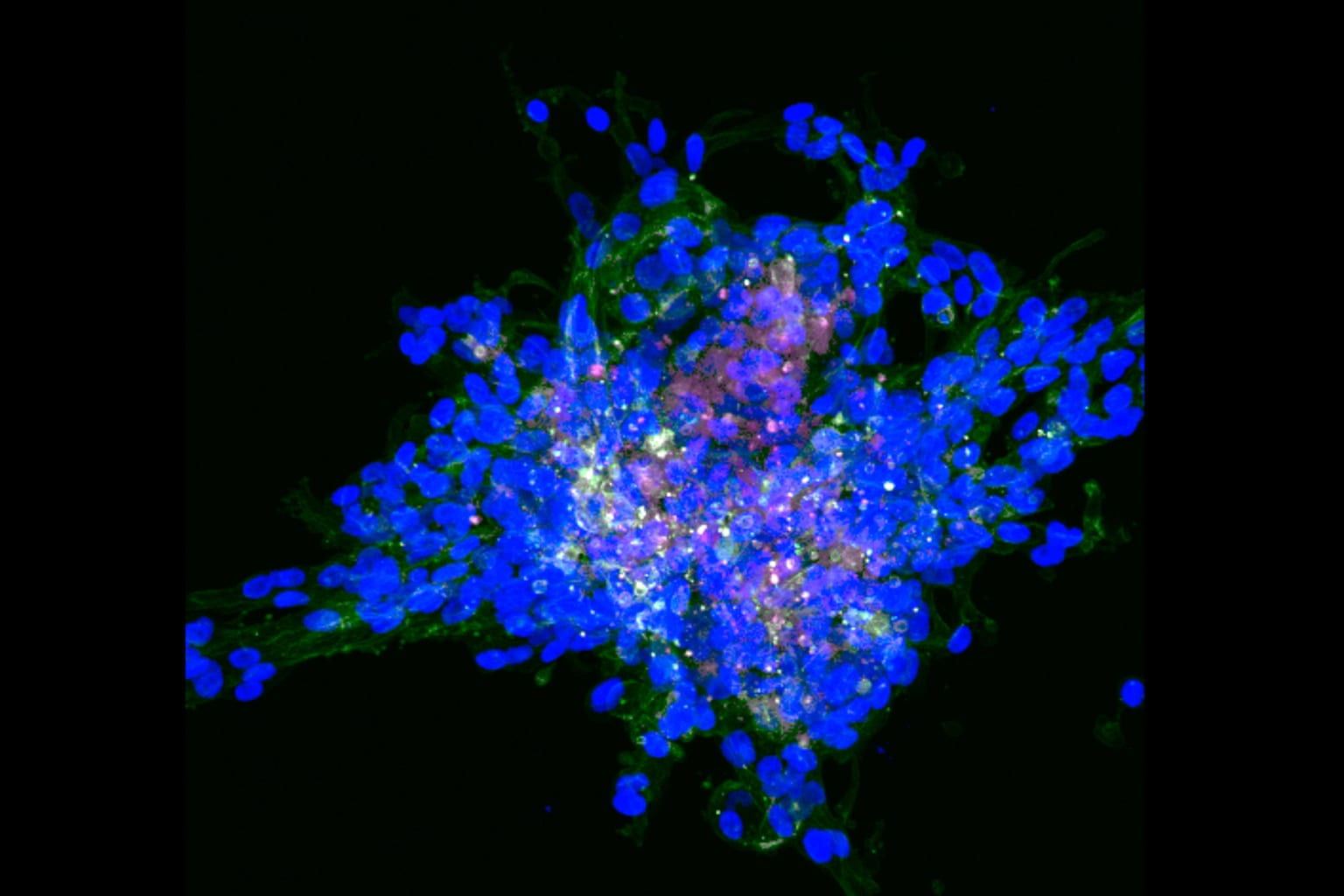
Many patients diagnosed with ductal carcinoma in situ (DCIS), an early form of breast cancer, undergo surgery, radiation or other treatments without knowing whether their lesion would ever have become dangerous. A team at McGill University now reports a mechanism that could help tell the harmless cases from the risky ones.
DCIS is normally held in check by a thin layer of cells that acts like a protective barrier, preventing cancer cells from spreading into nearby tissue. The researchers found that neutrophils, immune cells best known for fighting infection, release an enzyme called neutrophil elastase that weakens this barrier. When they blocked either the cells or the enzyme, the barrier remained intact. The immune system, in other words, is not only a defender here: in these lesions it becomes an accomplice.
The work was led by Tarek Taifour, an M.D.-Ph.D. student in McGill's Department of Medicine, with labs from across McGill and partners at the University of Texas. The team studied the disease in mice, in human breast tissue samples and in three-dimensional tumor models grown in the lab. "Cancer can sometimes hijack normal immune processes and turn them into processes that help disease progress," said senior author William Muller, professor in McGill's Department of Biochemistry. "This appears to be an example of that."
For patients, the practical promise lies in a biomarker, a measurable signal in the body that indicates risk. The authors suggest neutrophil elastase could one day serve that role, helping doctors match treatment to each patient's risk and avoid unnecessary treatment for those whose cancer is unlikely to progress. The study gives no timeline for developing such a test.
The results come from mice, human tissue samples and lab-grown models, not from a clinical trial. The stakes are still large: DCIS accounts for roughly one-fifth to one-third of cancers detected through screening, and the difficulty of predicting which lesions will progress affects a large share of those diagnoses.
Comments
Loading the thread…
Sign in to leave a comment. Sign in