In mice, blocking one immune signal limits radiation lung damage
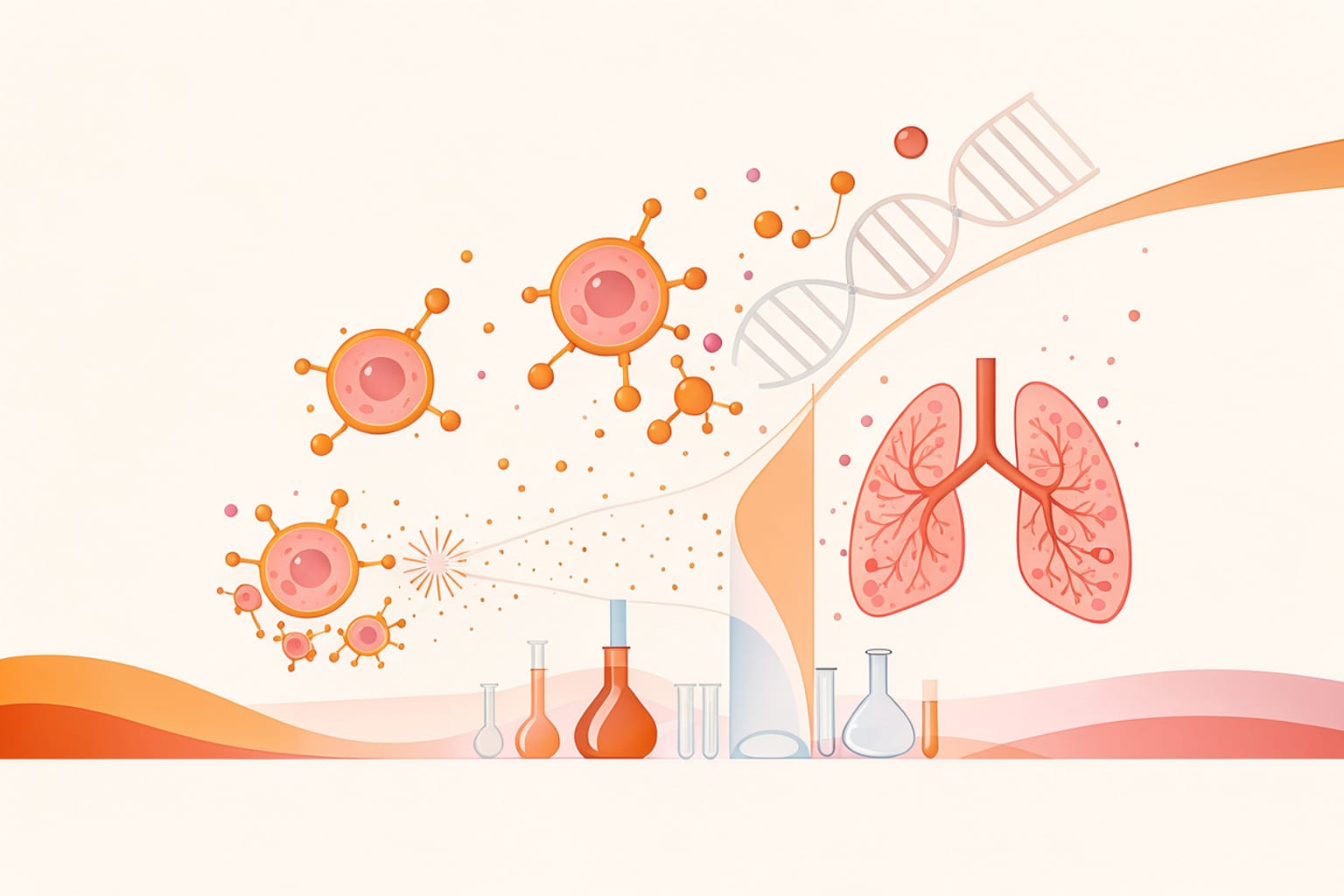
A radiation beam does its work in minutes, but its damage to healthy lungs can last for years. At City of Hope, a team of researchers has traced part of that lasting harm to a single immune signal, and found that switching it off in mice shielded the lungs from much of the injury.
The researchers focused on innate lymphoid cells, rare immune cells that most work on radiation had not examined closely. Heather McGee, an assistant professor in radiation oncology and immuno-oncology, said her group was "the first to show that radiation also reprograms" these cells. In their mouse model of radiation-induced lung injury, radiation transformed protective ILC2 cells into ILC1 cells, which promote inflammation that damages healthy tissue.
The trigger was interferon-beta, a signaling protein whose levels rose under radiation and acted as the switch between the two cell types. Tests on human ILCs showed similar biological changes. When the team disrupted this pathway during radiation, inflammation fell, lung injury was limited and fibrosis decreased in the mice. Jaeho Kim, first author and a postdoctoral fellow, said high interferon-beta levels appear to contribute to lung damage during radiation.
These results come from mice, not patients, and the study does not report a drug or a clinical trial. The team says the approach must first prove effective in people. If it does, the researchers argue it could protect patients from long-term lung damage, widen radiation options for people with chronic lung conditions such as COPD, and allow more aggressive radiation when it is needed.
For the roughly one in five patients who already face lasting breathing problems after radiation, the next step is a human test that would show whether blocking this pathway spares their lungs without weakening the treatment against cancer. The study gives no date for that test, and it is the decisive question still open.
Comments
Loading the thread…
Sign in to leave a comment. Sign in