In modeling, nuclear plants could store reactor heat to ease solar swings
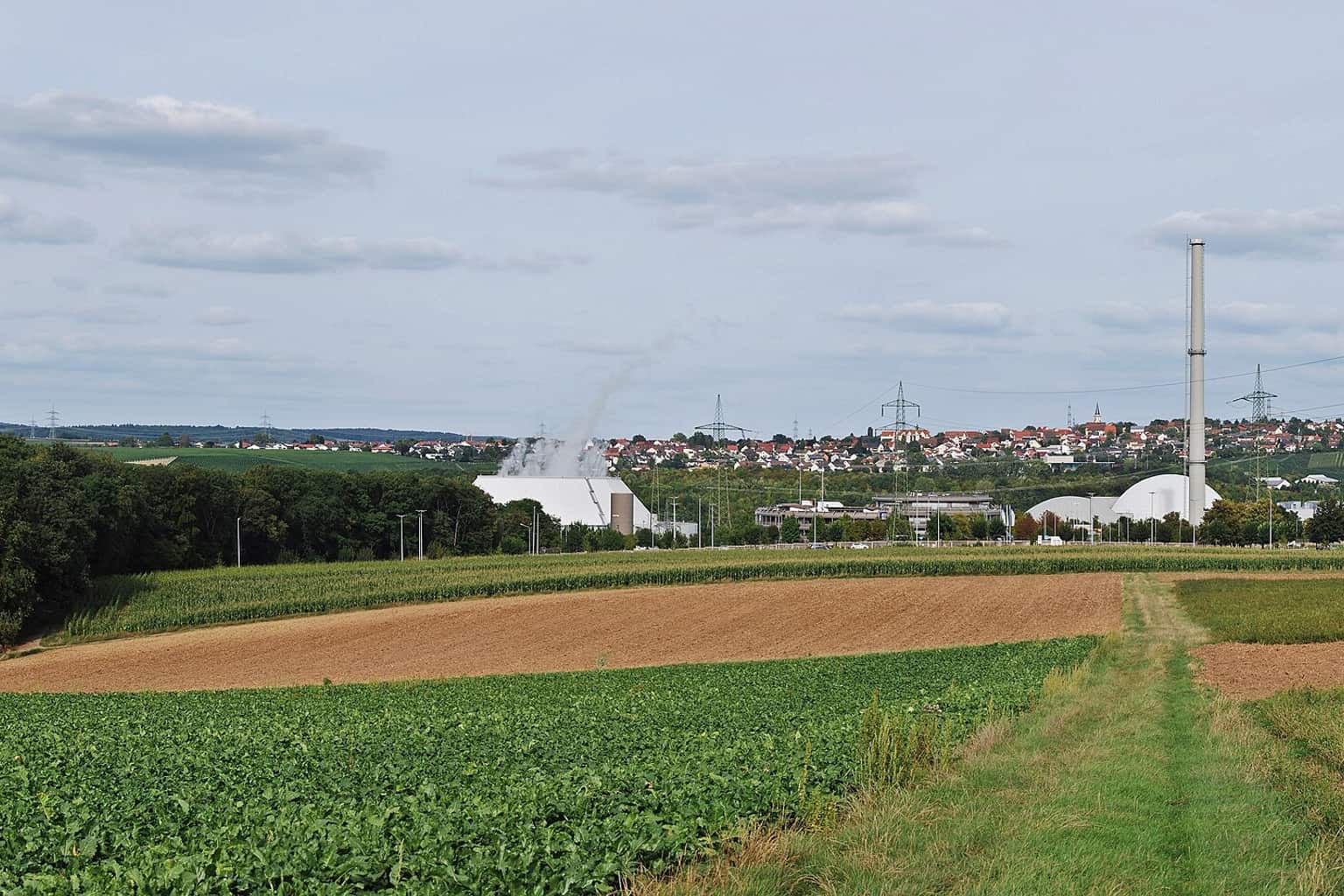
Nuclear plants are built to run steadily, around the clock. That design now meets a grid where solar output peaks around noon and fades toward night. Researchers at the Center for Advanced Turbomachinery and Energy Research (CATER) at UCF think the answer is thermal energy storage (TES): a system that captures the heat a reactor produces and holds it until the grid needs it. Their study, published in the Journal of Energy Resources Technology, Part A, pairs a model of a molten salt reactor with an economic analysis of how such a plant could earn money in a changing market.
The problem is the mismatch. Traditional nuclear plants are not designed to cycle on and off quickly, so when demand drops they must either lower their output, which can stress the equipment, or keep producing power the grid does not need. Doctoral research assistant Augusto Delavald Marques puts it plainly: plants "must adjust quickly to meet grid demand," and that is hard for machines built for constant operation.
The proposed buffer works in two directions. When demand is low, the TES absorbs the excess heat and regulates how much reaches the grid. When demand rises, the stored energy can run the grid. Price is part of the logic too. Electricity costs move with supply and demand over the day, and postdoctoral scholar Shinjan Ghosh says that storing energy when demand and prices are low, then using it when they rise, can increase the value of the electricity produced.
The study's results are modeled, not measured on an operating plant. The coverage gives no figure for the added revenue or for the cost of the storage system, and it does not say how much flexibility a real reactor could reach. Those numbers will decide whether operators take the idea further.
For a plant operator, the potential gain is more flexibility, with less need to cut output or run power nobody needs. Marques sees a window in the next few years: "The deployment of next-generation nuclear reactors in the U.S. over the next few years, such as molten salt reactors, is an opportunity to incorporate TES and improve the integration of nuclear and renewable energy on the same grid." If those reactors are built, TES could be incorporated into their design.
Sources — read the originals(Paris time)
Read next
Comments
Loading the thread…
Sign in to leave a comment. Sign in