In simulation, a brain model now tracks ion exchange
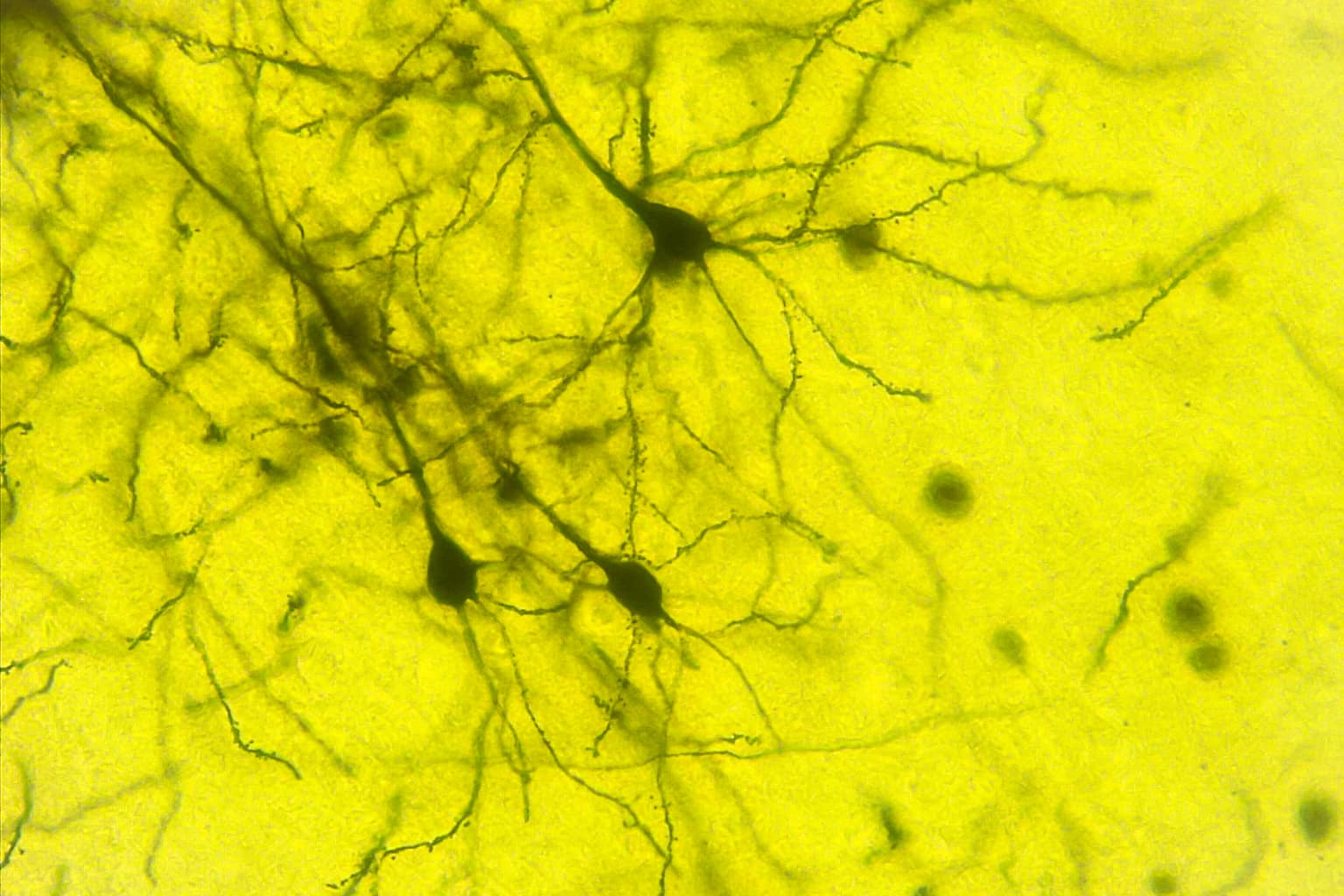
A new model keeps one of the brain's most local processes inside simulations of whole neuron populations: the exchange of ions between the inside of cells and the fluid around them. Published in eLife by researchers from France, Spain and Finland, it is a mean-field model, a set of equations that approximates how a large group of neurons behaves as a whole rather than computing each neuron in full detail.
The electrical activity of the brain depends on ions, charged particles that cross cell membranes and move through the fluid surrounding neurons. Those movements also feed back on each other: changes in ion concentration can affect how neurons fire and, in some circumstances, contribute to abnormal activity, including epileptic seizures. Mean-field models are a common shortcut because modeling every neuron in detail demands a great deal of computing power. The contribution of this work is to bring ion-exchange mechanisms into a reduced model derived from Hodgkin–Huxley-type neurons, the mathematical models that describe how electrical signals arise from ion movement across membranes.
The model reproduces several patterns also seen in larger neuronal network simulations and in in vitro recordings from mouse brain slices. “In both cases, the model captures how gradual changes in potassium concentrations can influence faster electrical activity, either healthy or pathological,” says Spase Petkoski, co-senior author and researcher at the Institut de Neurosciences des Systèmes, Aix-Marseille University. The agreement is with simulations and with mouse tissue; the authors do not report tests on human brains.
For researchers, the change is a new tool. The model offers another way to investigate how shifts in the brain's chemical environment influence collective neuronal activity, and its authors say it could support future work on how ion concentrations affect network dynamics, including processes relevant to epilepsy. Its publicly available code includes an implementation for The Virtual Brain, so it can be run on that platform. The study sets no clinical application and no date; its authors point to future investigations without fixing when they will take place.
Sources — read the originals(Paris time)
Read next
Comments
Loading the thread…
Sign in to leave a comment. Sign in