In the lab, electric fields shift catalyst reaction speed
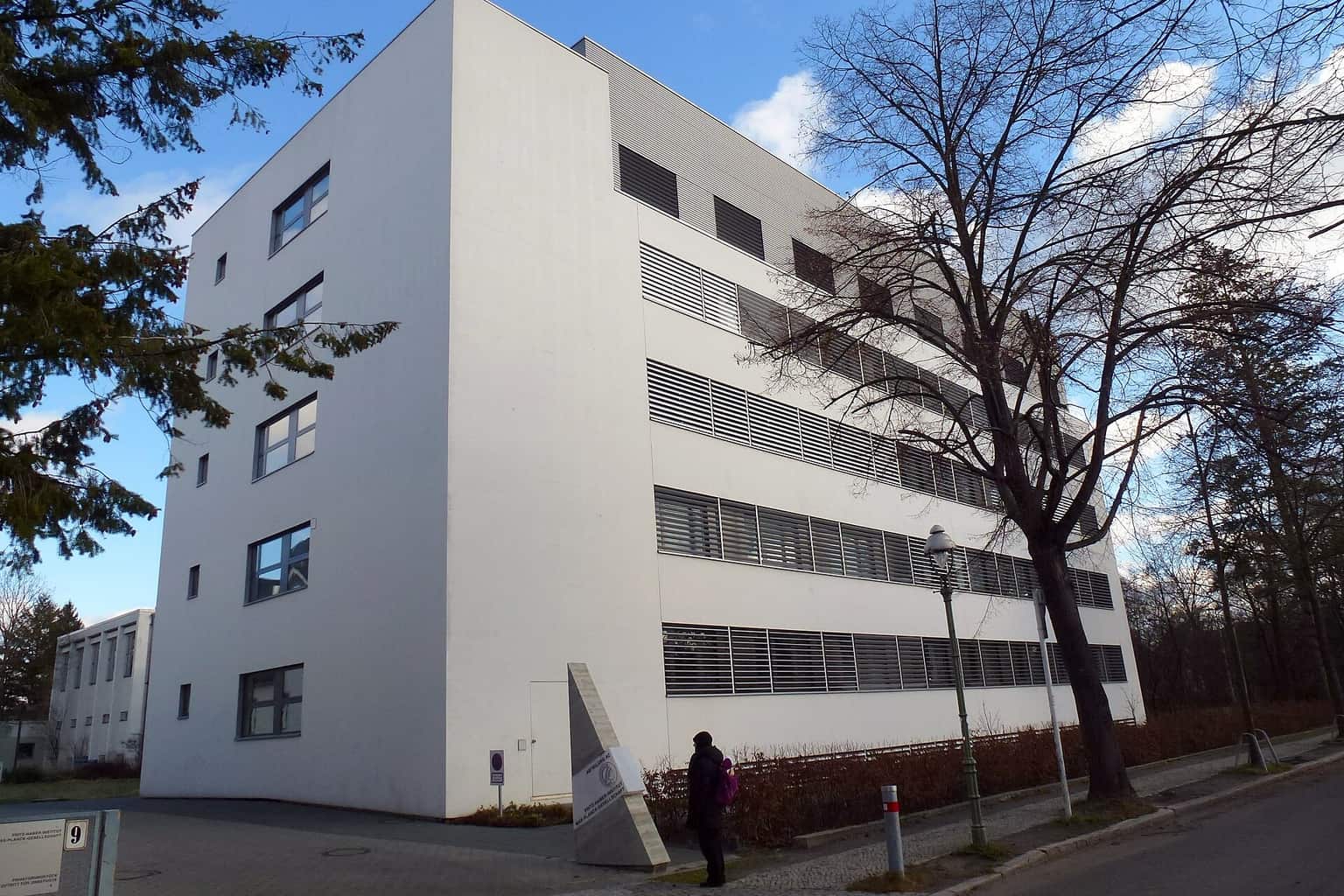
Carbon monoxide is dosed onto a single platinum crystal, then burned off at a set voltage. The amount that remains tells the researchers how the reaction has gone. It is a routine-looking laboratory step, and it is part of a study on how the reaction itself is understood.
Electrochemical reactions power fuel cells and water electrolyzers, two technologies central to the energy transition. The cost of running them depends on the overpotential, the extra voltage needed beyond the theoretical minimum. Lowering it would improve efficiency and help these technologies compete on cost with fossil fuels. For decades the textbook picture has been simple: the applied voltage acts directly on the reaction and lowers its energy barrier. Detre Teschner of the Fritz Haber Institute, in a separate Phys.org feature, described this as the common assumption in the field for oxygen evolution, a key reaction in water splitting. For most reactions, the overpotential also reshapes the solid-solution interface itself, which makes the picture harder to read.
The team, from the Interface Science Department of the Fritz Haber Institute, led by Roldan Cuenya and the group of Sebastian Oener, set out to pull these effects apart. Doctoral student Caroline Aschendorf measured the reaction at several CO coverages and temperatures, which yields the apparent activation energy as a function of two variables. Dr. Francisco Sarabia helped choose the test reaction, CO oxidation on platinum, because its surface can be controlled experimentally. The coverage also gives access to the local chemical potential of electrons, so the team could change interfacial polarization without changing the voltage.
Raising the voltage lowered the activation energy, but holding it constant while widening the gap to the potential of zero total charge raised it. The two effects push in opposite directions, which means the reaction speed depends on how a voltage redistributes charge, not only on how much voltage is applied. The researchers link this to water reorientation in the double layer next to the electrode, while presenting it as an indication. The same group had earlier reported overpotential-dependent compensation effects across many electrocatalytic reactions. The authors call the advance substantial for the fundamental understanding of reactions at polarizable interfaces.
For modelling, the study implies that a picture treating voltage as the only driving force leaves out one of the two effects it separates. Nothing in the sources quantifies how much efficiency this could recover in a real electrolyzer, and no company or timeline is mentioned. The result is a more accurate map of where the energy barrier comes from, and the next gains will depend on whether other reactions and catalysts show the same behavior.
Sources — read the originals(Paris time)
Pages consulted while writing
Read next
Comments
Loading the thread…
Sign in to leave a comment. Sign in