Inhaled engineered bacterium thins resistant biofilm in pigs
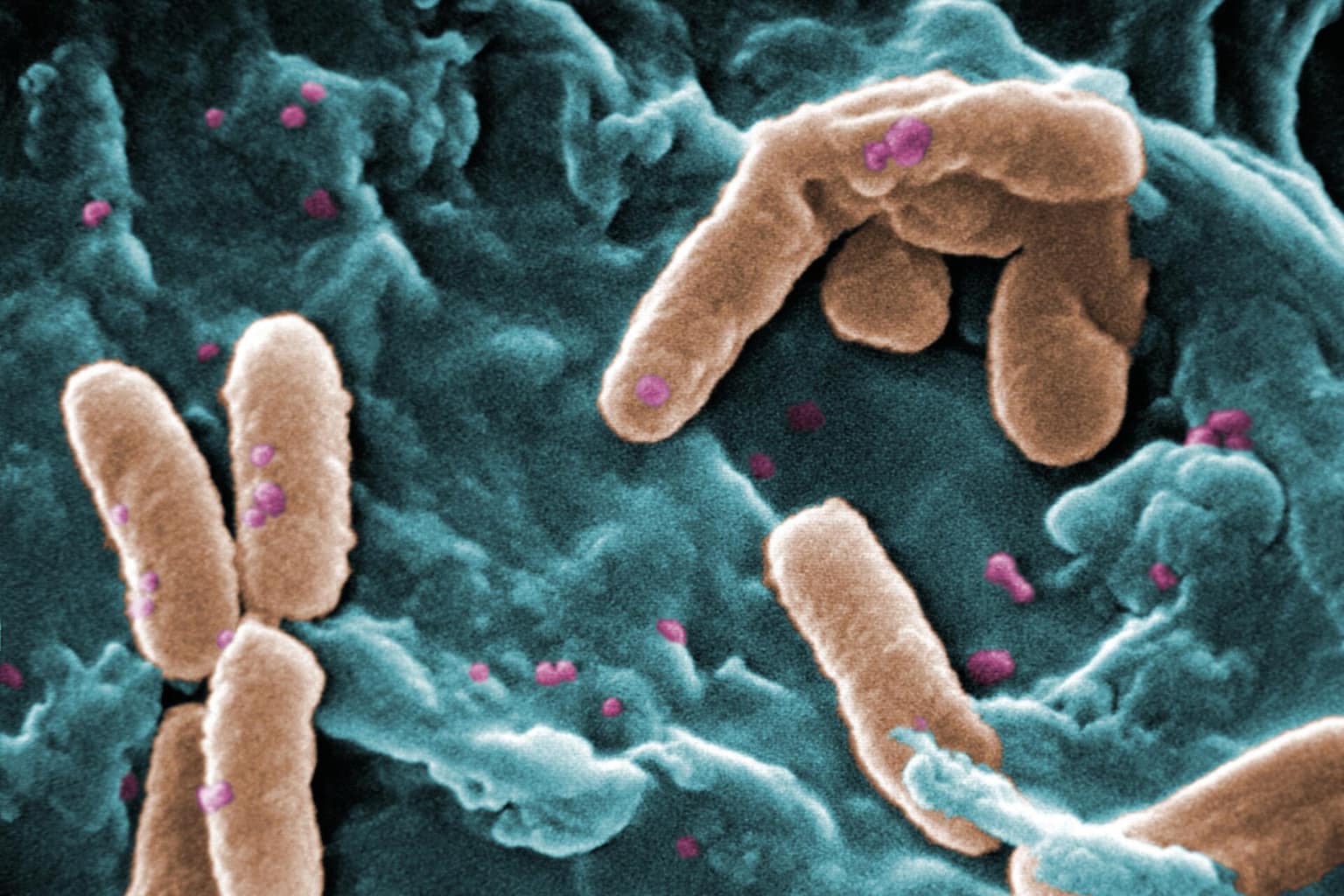
Within days of a patient being put on a ventilator, bacteria settle inside the breathing tube and build a slimy film. Antibiotics given through a drip struggle to get through that film, and in intubated patients it is a known cause of ventilator-associated pneumonia, or VAP. In a study published in the journal eBioMedicine, researchers from Barcelona report that an inhaled, engineered bacterium thinned that film in pigs, animals whose lungs are similar in size, structure and immune response to human lungs.
The target is Pseudomonas aeruginosa, a bacterium that is frequently resistant to several types of antibiotics. Around 1 in 4 VAP cases are caused by it. Dr. Antoni Torres, one of the senior authors, calls antibiotic resistance “a silent pandemic” he sees affecting intubated patients every day, and says this approach is “a different line of attack, and one we badly need.”
The weapon is an unlikely one: Mycoplasma pneumoniae, a bacterium that normally causes a mild lung infection. The team has engineered it to be harmless to humans and loaded it with genes that dissolve the sugars holding a biofilm together, plus toxins that only target Pseudomonas. Breathed in as a mist from a nebulizer, the same type of device patients use, it reached the tubes of pigs with infected lungs. Dr. Irene Rodríguez-Arce, another senior author, describes it as “a Trojan horse strategy against disease”. In the animals, the biofilm inside the breathing tubes thinned from 6.08 to 3.67 micrometers, a reduction of around 40%. The researchers found no sign of damage from the engineered bacterium in the lungs, and no measurable effect on the animals’ own airway bacteria, which suggests the treatment targets Pseudomonas specifically. This is the first time the treatment has worked in pigs; until now it had only been shown to act on biofilms in mice. An earlier preprint on bioRxiv describes the experiment on four miniature pigs weighing 30.8 ± 1.0 kg. These measurements come from the team itself, and no independent group has reproduced them in the reports consulted.
For patients who cannot breathe on their own, the tube is the weak point, and the study points to a way of clearing it without relying only on antibiotics. The authors support a first-in-human safety trial, which would come before any test of how well the treatment works in patients. The team gives no date for that trial, and says further tests come first. Combining the living medicine with intravenous antibiotics, or making further changes to the molecules that dissolve biofilms, could improve its effect. Luis Serrano, another senior author, says he is confident that with changes to the bacterium’s payload the biofilms could be dissolved completely and Pseudomonas infections cleared entirely. That is a hypothesis for the next experiments, not a result of this study. The CRG team is also developing versions of the living medicine aimed at pulmonary fibrosis and lung cancer.
Sources — read the originals(Paris time)
Pages consulted while writing
Read next
Comments
Loading the thread…
Sign in to leave a comment. Sign in