Lab film cools devices by up to 18.2°C using only air moisture
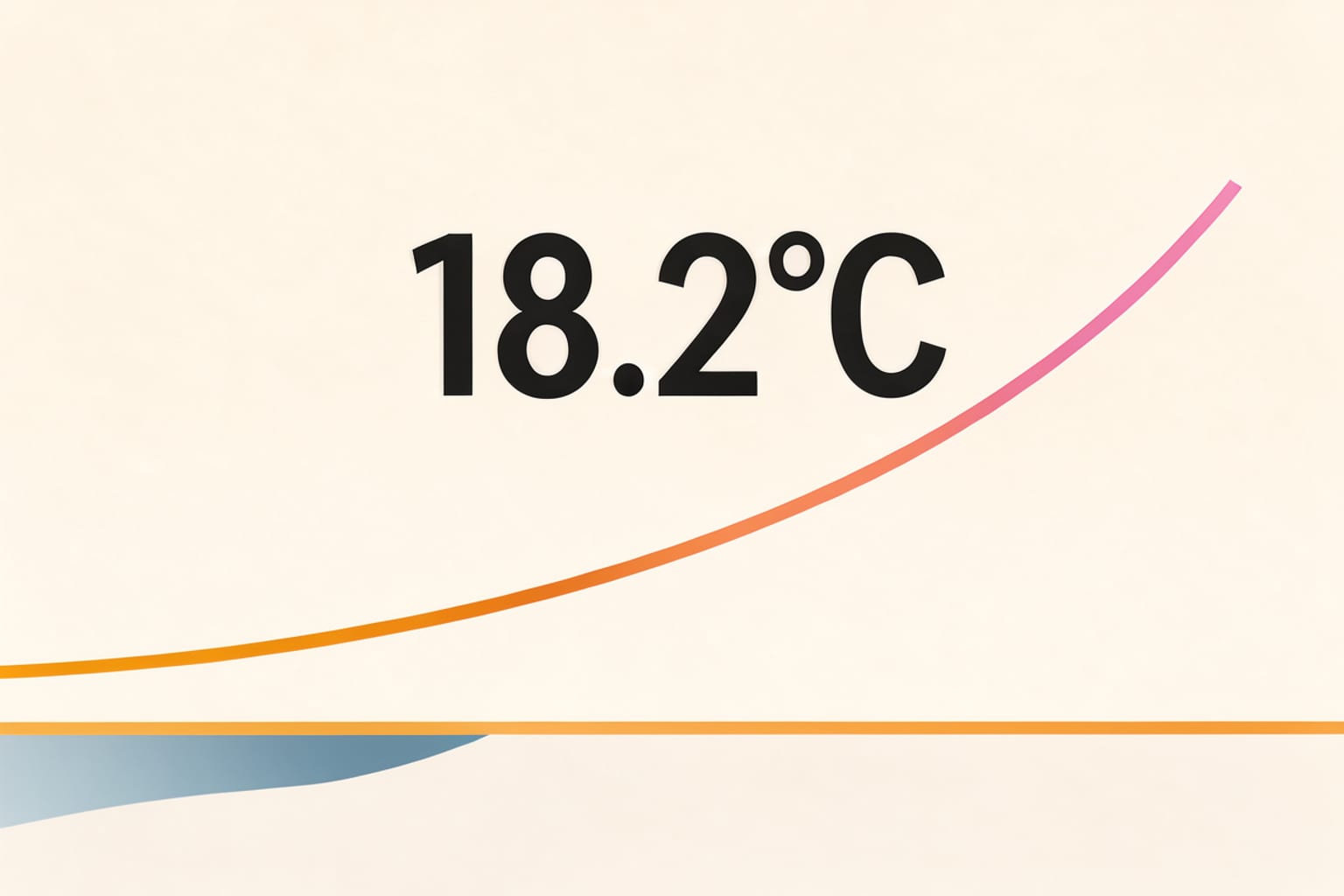
A device running hard gets hot, and in one test led by Seong Kyun Kim's team at DGIST, its surface went from 72.3°C to 54.1°C once a flexible film was pressed onto it. No pump turned on, no water was poured, and no fan spun. The film did the work by drawing on the air around it.
The need is pressing. The surge in AI has driven the construction of data centers, and securing the electricity and water their cooling requires has become a global challenge. Mobile phones and the batteries of electric vehicles (EV) face a related problem: they must shed heat from very confined spaces. The usual answer, active cooling, runs pumps or fans that consume electricity and coolant, and whose complex systems carry significant maintenance costs.
Passive alternatives exist, notably materials that absorb moisture from the air and release it as it evaporates, carrying heat away. The problem was that most of these hygroscopic materials, meaning moisture-absorbing ones, are rigid crystalline solids. They do not adhere firmly to device surfaces, and they cause corrosion. The DGIST team combined nanocellulose, which stores a great deal of moisture, with organic ionic molecules that are strongly hygroscopic. The result stays flexible and sticky even when completely dry, and it keeps absorbing airborne moisture in dry environments. When the device heats up, that moisture evaporates and lowers the surface temperature in real time. The material adheres without gaps to metals, semiconductors and glass, and according to the team it does not corrode, so it can go directly onto a device without an extra coating.
"The significance of this study goes beyond merely developing an environmentally friendly material," said Kim. "It simultaneously addresses multiple limitations of conventional passive cooling materials, including corrosiveness and insufficient flexibility and adhesion." The reductions reported reached up to 18.2°C, and they held for more than 12 hours of continuous operation. For a data center or a phone, that would mean less heat to remove with electricity and water, if the effect carries over to real equipment. The sources do not give a commercial timeline, price, or device maker involved, and the figures come from the team's own tests, so the next step is outside validation in working hardware.
Comments
Loading the thread…
Sign in to leave a comment. Sign in