Lab-made carbon dots shift from blue to red depending on liquid
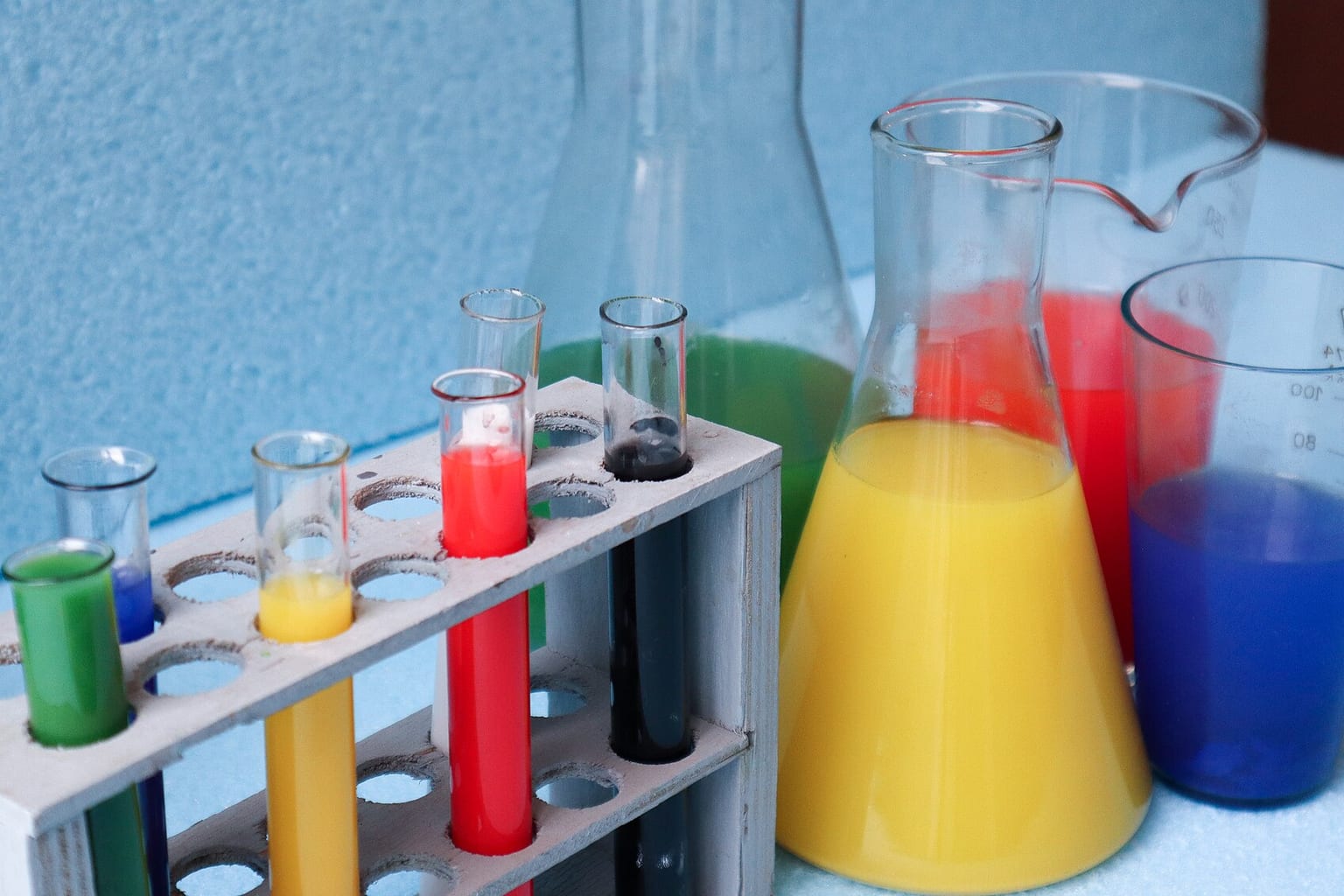
Shine a blacklight on a white T-shirt or a tooth and it glows a single, bright blue. That is how most fluorescent materials behave: they absorb invisible ultraviolet light and re-emit it as one fixed color. Siyu Lu, Lin Ai and colleagues have built a material that does something different. Under the same blacklight, their carbon dots glow red, green, blue or in between, depending on the liquid they sit in and how acidic that liquid is.
Carbon dots are tiny particles that fluoresce brightly, and their surfaces can be adjusted. The team heated two carbon-based compounds in an organic solvent under pressure, forming particles with carbon-rich cores and chemically responsive surfaces. Two versions, CD1 and CD2, were made using different ratios of the starting materials. The surface chemistry is what decides the color: the same dot reacts differently to its neighbors.
In the tests, CD1 glowed red in acidic water and green in alkaline water. Shifting the pH reversed the color again and again, without changing the dots' brightness. Suspending CD1 and CD2 in other liquids, including toluene, methanol and ethanol, or varying the concentration, produced colors from blue to red.
The team then mixed the dot solutions with polymers to make blue, green, yellow and red materials. They pressed the powders into molded Chinese characters and decorative bottles, and folded flexible films into different shapes. They also built what they call a multidimensional encryption system, in which information is encoded through a combination of light, liquid and acidity conditions. Only the right combination reveals the message, which is why the authors present the dots as a tool for data security and anti-counterfeiting.
For now, this is a laboratory result, and the authors are candid about what remains. Lu says the team is "actively exploring opportunities to commercialize the CDs, particularly for information encryption." The next work will evaluate long-term stability, large-scale manufacturing and production cost, the three questions that decide whether a glowing lab material becomes an everyday product. No timeline has been announced, and the study does not give a production cost.
Sources — read the originals(Paris time)
Read next
Comments
Loading the thread…
Sign in to leave a comment. Sign in