Lab method borrows from pearls and feathers for vivid colors
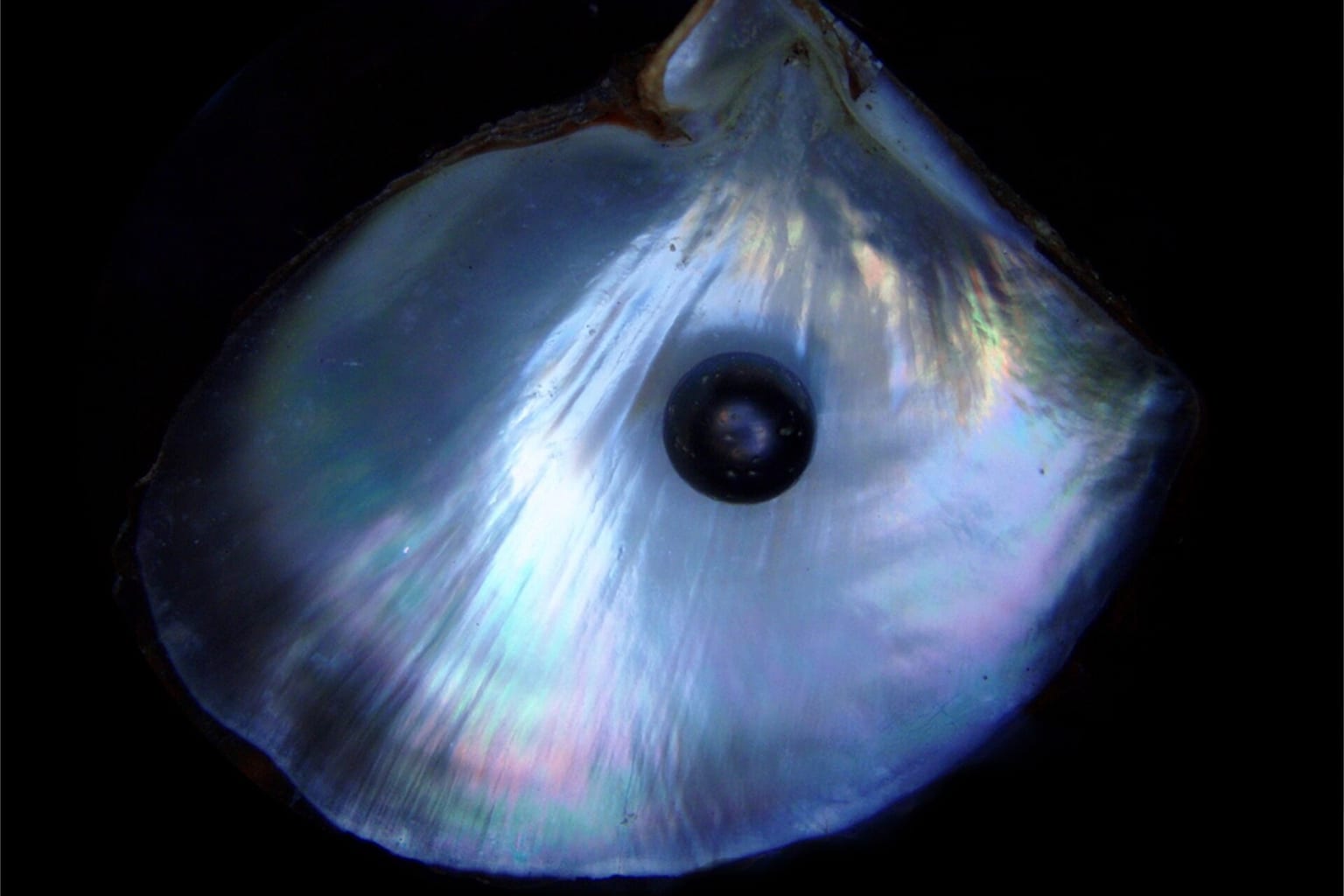
Pearls, bird feathers, butterfly wings and opals get their brilliance from structure rather than pigment: light reflects and interferes inside microscopic layers. A team led by Professor Shu Yin at Tohoku University has found a simpler way to reproduce that effect, one that does not need the precisely arranged structures that conventional methods demand.
The researchers started with a layered material made from cerium carbonate hydrate. It forms thin, irregular layers that reflect light in different directions, and as the reflected waves interact they produce a soft, pearl-like white. The team then added light-absorbing materials, such as iron oxyhydroxide (FeOOH), to the surface. These absorb certain wavelengths, so the other reflected colors stand out. By changing the type and amount of absorber, the team produced red, blue, purple and green from the same basic approach.
Stability was the next problem. The researchers used heat treatment to convert cerium carbonate hydrate into cerium oxide (CeO₂) and iron oxyhydroxide into iron oxide (Fe₂O₃). After heating, the materials kept their layered structure and pearlescent look, which the team says makes them more promising for practical use. The published study gives no figures for durability or color intensity.
To explore possible uses, the team made colorful artwork and coatings, added the materials to plastics, and applied them to human skin to test their potential in cosmetics. For makers of paints, plastics and cosmetics, a method that does not depend on exact microstructures could mean more freedom in designing colors. The study does not say when such products could reach shelves or what they would cost.
Yin describes the work as a starting point. "The next step is to explore how we can use them in everyday life," she says, adding that the team hopes to build on this work in the future.
Sources — read the originals(Paris time)
Read next
Comments
Loading the thread…
Sign in to leave a comment. Sign in