A single solid reacts to light, heat and force
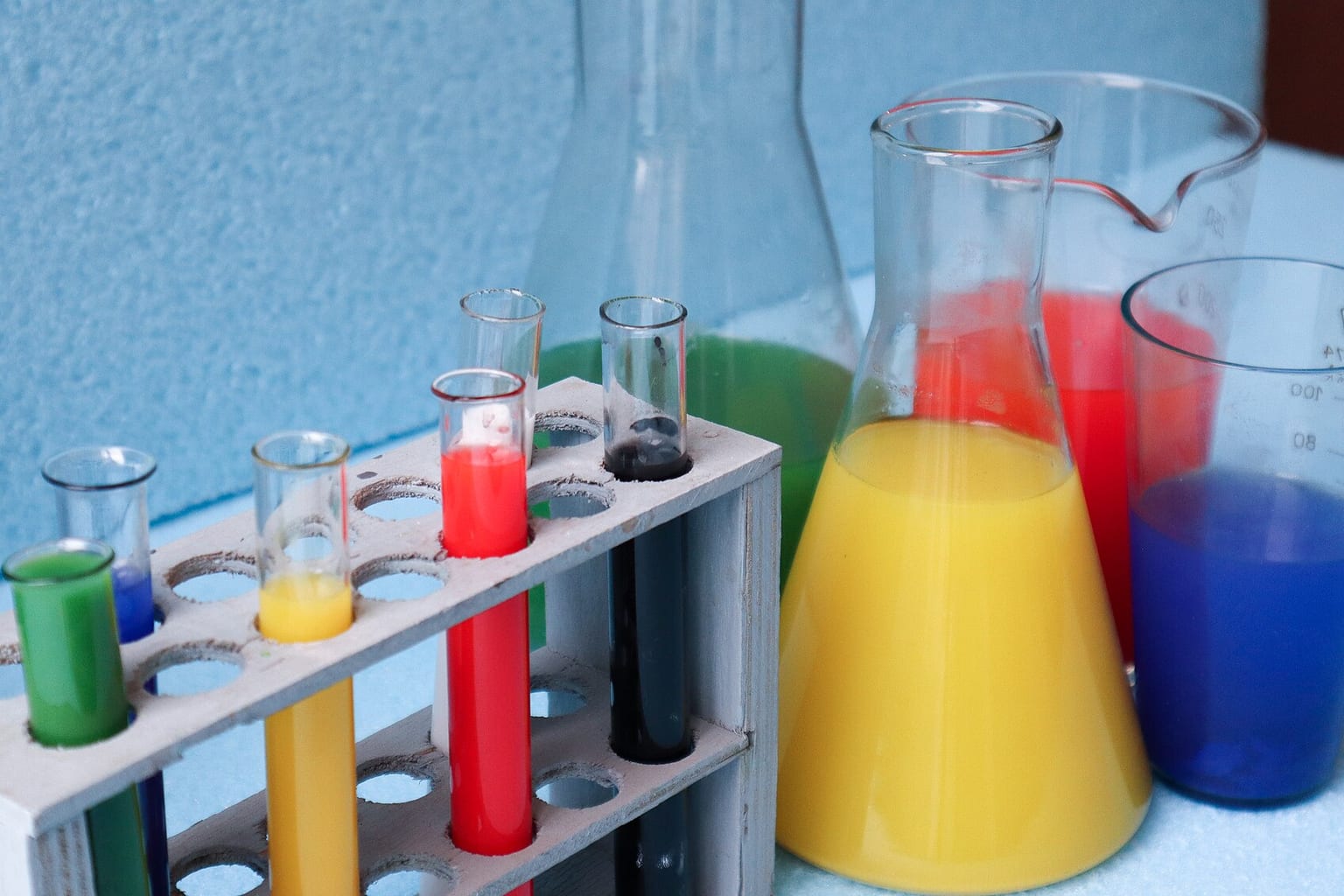
Scratch the surface of this material and it flashes blue. Shine light on it and it turns from yellow to white. Heat it and it undergoes a different chemical reaction. One solid, three distinct responses, all built into the same crystal by the way its molecules are arranged.
That is the result reported by a team at the University of Missouri, published in Angewandte Chemie International Edition. The difficulty lies in the setting. In a liquid, molecules move freely and find each other. In a solid, they are packed tightly, so a chemical reaction only happens if researchers position the molecules with great precision. Kristin Hutchins, an associate professor of chemistry and a researcher with the MU Materials Science and Engineering Institute, saw that constraint as a design tool rather than an obstacle.
The mechanism works in two steps. Light joins nearby molecules together, which changes the colour of the material from yellow to white. Heat then causes those molecules to separate and rearrange, triggering a second reaction. Hutchins said this is the first demonstration of these two back-to-back reactions in a solid material. The discovery was not planned: while handling the sample, Liulei Ma, the study's lead author, now a postdoctoral researcher at Colorado State University, scratched the surface and produced a brief flash of blue light. Further tests confirmed that physical force alone can trigger the response.
For materials science, the lesson is less about one colour change than about method. "We can start thinking about materials less as static objects and more as systems with different possibilities built into them," Hutchins said. Her team's paper suggests that a single molecular structure can host several potential behaviours, instead of one material being designed for one purpose.
What that changes, and for whom, is still a matter of years of work. The team points to sensors, smart coatings, wearable technologies and light-emitting materials that react differently to heat, light or force, but it says those applications will require further research. The next step is to find out which molecular arrangements can be reliably produced and which of these responses can be made useful outside the laboratory.
Sources — read the originals(Paris time)
Read next
Comments
Loading the thread…
Sign in to leave a comment. Sign in