Lab screens 15,000 bacterial enzyme variants to ease photosynthesis flaw
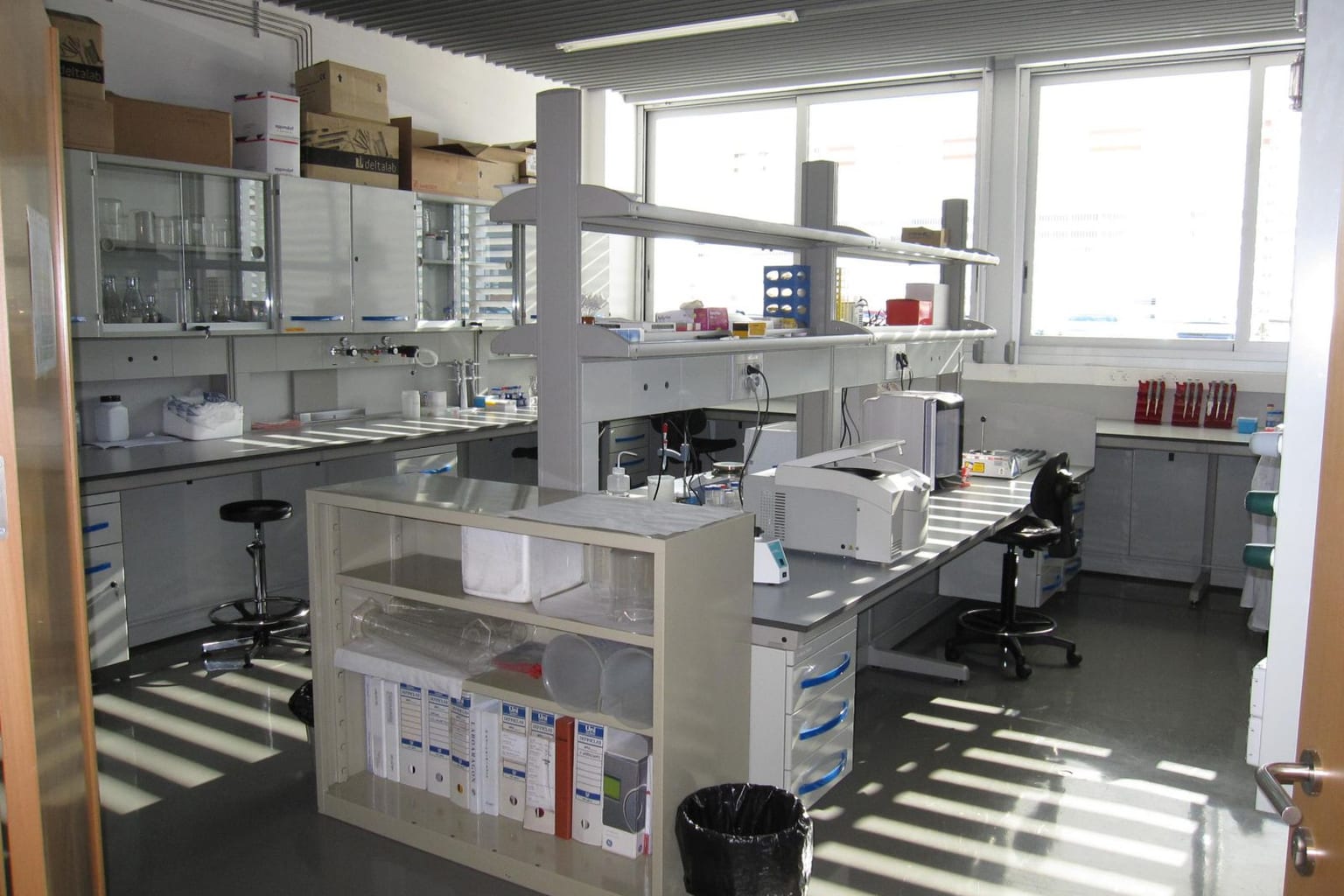
In a lab at KTH Royal Institute of Technology in Sweden, Paul Hudson and his PhD student Axel Knave examine cyanobacterial samples. The team tested 15,000 altered versions of one enzyme, Rubisco, to find which changes make growth more efficient.
Rising temperatures and increasing drought are shortening crop-growing seasons in many parts of the world. Rubisco sits at the heart of photosynthesis: it captures carbon dioxide (CO₂) and works it into material the organism uses to make sugars and grow. The enzyme is surprisingly inefficient. It works slowly and sometimes grabs oxygen instead of CO₂, and plants must then spend energy recycling those unwanted products.
The team chose a bacterial Rubisco rather than a plant one because its simpler structure is easy to produce and test on a large scale. Hudson says some bacterial forms of the enzyme process CO₂ faster than the plant version, but they also take up oxygen more readily. The idea was to make these fast enzymes even faster, or at least reduce their oxygen uptake while keeping a high CO₂ rate. To run the search, the team built a high-throughput screening platform that tracked thousands of variants at once, including cells with single and combined mutations.
The results are mixed. Two leading variants reacted less with oxygen while retaining useful CO₂ turnover, but both showed trade-offs in overall CO₂ efficiency. Beneficial mutations often stopped working when combined, and the computer models the researchers tested were more reliable for single mutations than for combinations. As the researchers put it, “the effects of Rubisco mutations are complex and difficult to predict without a large amount of experimental data.”
For now, the change is for researchers, not farmers. The database of successful and failed mutations could guide better enzyme design and sharpen the models, and the lessons may eventually inform work on plant Rubisco. But the researchers say producing faster-growing, climate-resilient crops will require further testing in plant cells and whole plants. Next steps include reducing the oxygen reaction in the promising variants and testing new enzymes in plant cells and in cyanobacteria that produce useful chemicals. The team gives no date for any of this.
Sources — read the originals(Paris time)
Read next
Comments
Loading the thread…
Sign in to leave a comment. Sign in