Purple bacteria turn CO₂ and industrial waste into CoQ10
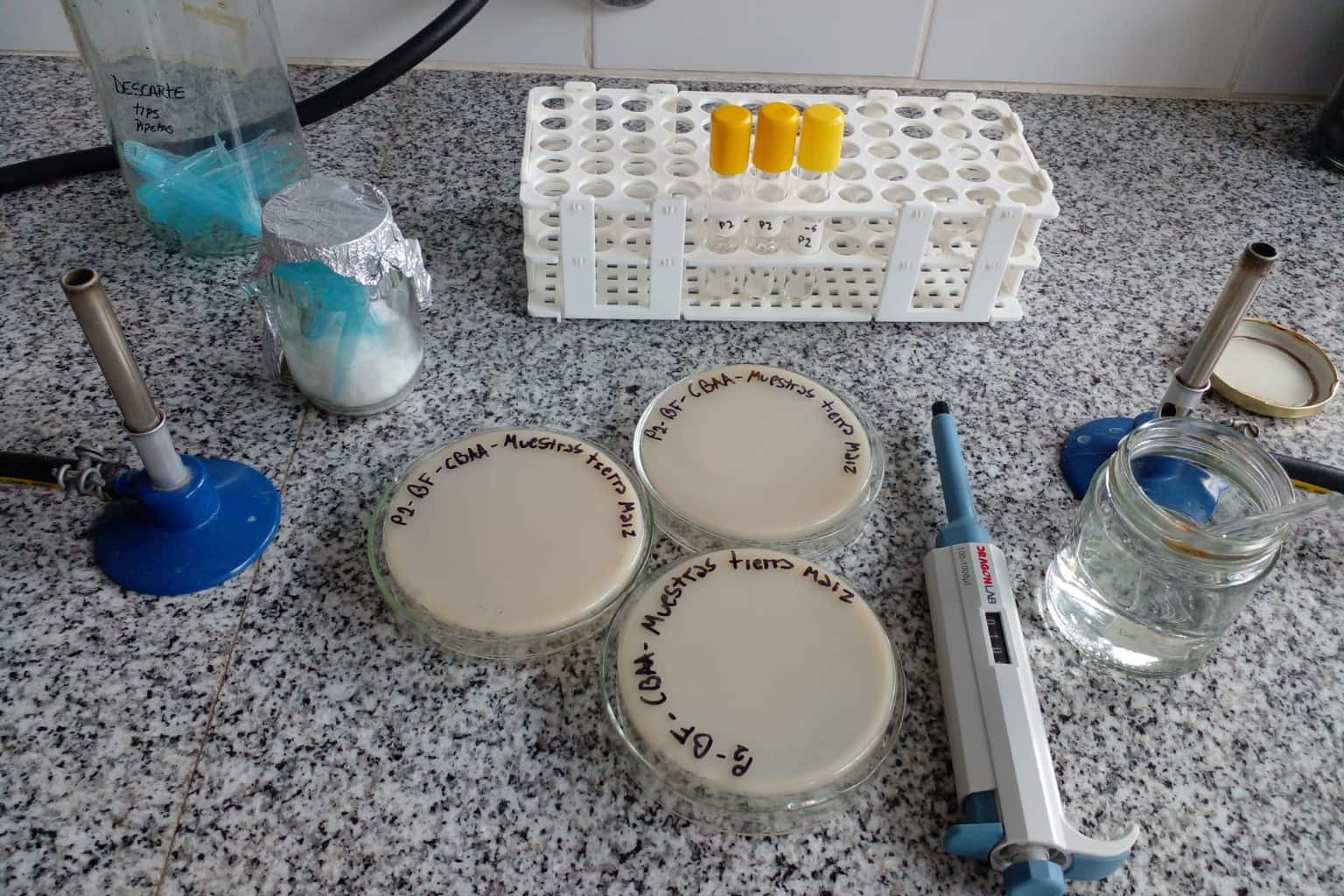
Inside sealed, illuminated bottles, purple bacteria fed on carbon dioxide (CO₂) and hydrogen and produced coenzyme Q10 (CoQ10), an ingredient in popular dietary supplements. Researchers at the University of Valladolid in Spain report that one strain reached 9.6 milligrams per gram of dry cells, and the same cultures also produced carotenoid pigments. The study was published in Environmental Science & Technology in 2026.
The bacteria are called purple phototrophic bacteria (PPB). They get their energy from light without splitting water or releasing oxygen, and they use light to turn compounds such as hydrogen sulfide, hydrogen or carbon dioxide into cell material and useful chemicals. Most earlier work fed them organic material and focused on wastewater, biomass and fertilizers. The authors asked whether unwanted industrial waste could feed them instead, and so reduce the use of sugar. The need is real: commercial CoQ10 typically starts from sugars, which use agricultural resources and water, and some carotenoid methods also have a high land, water and fertilizer footprint.
The team first screened eight strains by their genome, keeping those able to grow with CO₂ as their only carbon source and hydrogen as their electron donor. Six grew under illuminated CO₂-and-hydrogen conditions. The strain Rhodospirillum rubrum DSM 107 produced the most CoQ10, 9.6 milligrams per gram of dry cells, which the authors describe as approaching levels reported for some genetically engineered strains. Its relative DSM 467 reached 5.9 milligrams. When DSM 467 was given carbon monoxide from a simulated syngas mixture, it consumed the gas and released hydrogen, but accumulated roughly three times less CoQ10. Marichromatium purpuratum took up hydrogen and thiosulfate, a sulfur-containing industrial byproduct, at the same time. Adding thiosulfate more than halved its doubling time, but did not raise its low CoQ10 content.
Some coverage has leaned on the waste angle. The trade publication C&EN describes strains that use carbon from industrial by-products to make the antioxidant, and Phys.org stresses the use of waste streams. The study itself is more cautious: its feeds were prepared in the lab, not taken from real industrial waste, which carries additional contaminants. The yields also need a benchmark. A review of purple bacteria research cites earlier CoQ10 contents of 42.7 mg per gram for indoor cultivation and 30 to 45.2 mg per gram outdoors, and a 2019 study on light-dark cycles reached a maximum of 88.8. Those experiments ran under different conditions, so they are not a direct comparison, but they show that the new figure is not a record for the species.
For a producer, the appeal is the raw material and the footprint. The authors point to compact photobioreactors, which could reduce the illuminated area, land and water needed compared with large open systems. But the path is long. Larger reactors will have to overcome poor gas solubility and limited light penetration through dense cultures. Production costs, extraction methods and full life-cycle emissions still need to be assessed before any commercial or climate advantage can be claimed, and the sources give no timeline or price.
The next steps the researchers name are long-term operation tests, to push cells to direct resources toward CoQ10 rather than growth, and larger, better-controlled reactors that deliver gases and light efficiently.
Sources — read the originals(Paris time)
Pages consulted while writing
Read next
Comments
Loading the thread…
Sign in to leave a comment. Sign in