Lab study: nature-inspired additive helps cells survive freezing
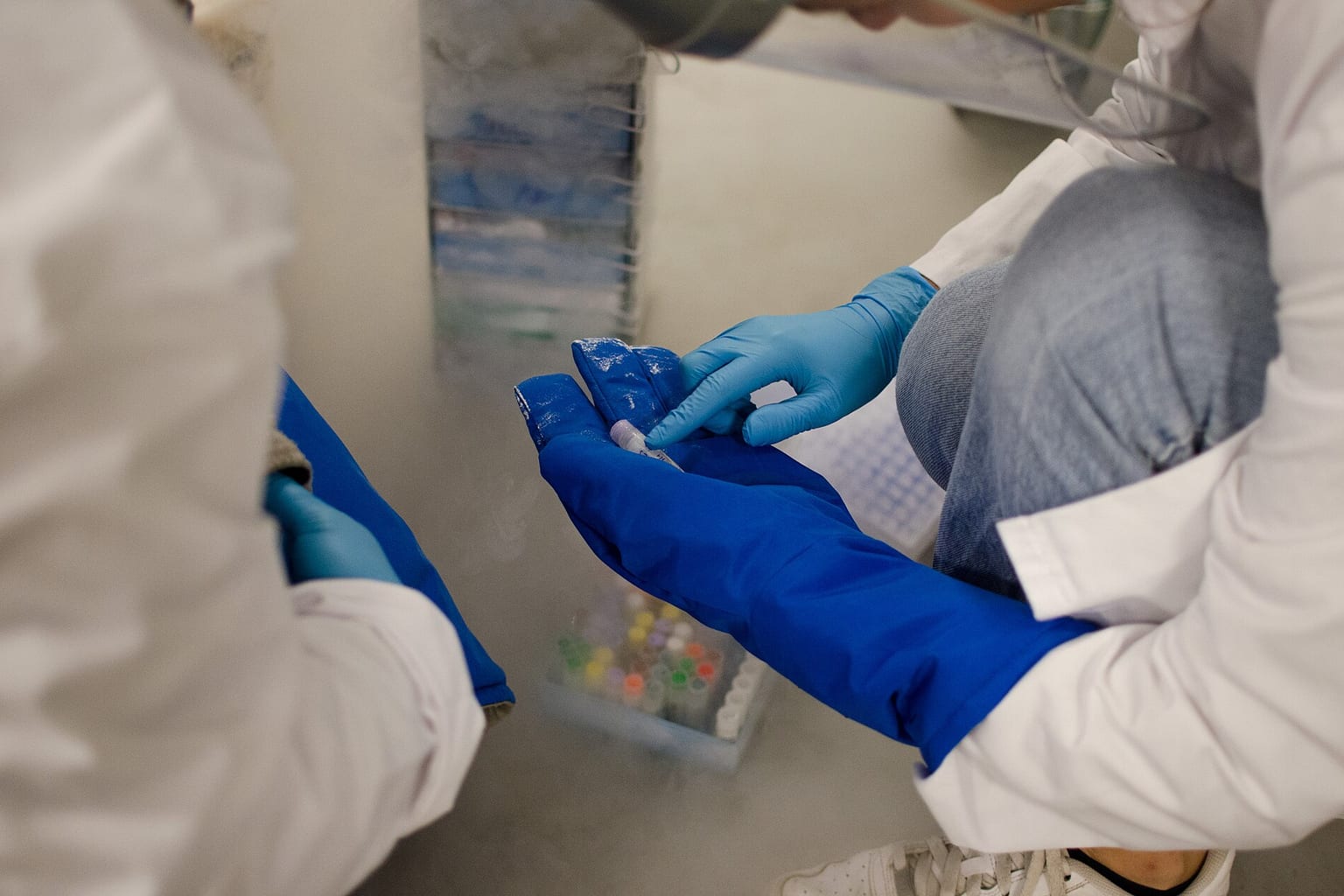
Around 2,000 people in Australia are on the waiting list for an organ transplant. At the University of New England (UNE), PhD student Michael Foster is working on a new kind of additive that could help living cells come through freezing and thawing intact, and that could someday shrink that list.
Freezing living material for storage and later use is called cryopreservation. It works roughly like putting food in a home freezer, with one far harder requirement: the cells or tissues must remain alive and functional once thawed. To limit the damage, researchers add cryoprotectants, and the most common one, dimethyl sulfoxide (DMSO), is widely used and extremely effective. It can, however, be toxic and incompatible with some cell types.
Foster looks to nature for an alternative. Organisms that survive extreme cold or dehydration accumulate molecules such as sugars and amino acids that protect their cells. Trehalose, a sugar, is a well-known example, and proline, an amino acid, is associated with natural stress protection. Using nature as inspiration is not new, but Foster modifies these molecules to create a single compound with several complementary cryoprotective properties. The work is published in the Journal of Materials Chemistry B.
For transplant teams, better preservation would mean more time to find the right recipient and the ability to move organs over greater distances. In the longer term, Foster says, it could help move toward organ banking. The same tools could serve beyond human health: sperm, eggs, embryos, tissues and genetic material from threatened species could be frozen and kept as genetic banks to support breeding programmes and preserve genetic diversity. Those uses depend on the approach working, which is not yet established.
The research is still in its early stages, and clinical applications are a long way off. Foster stresses that better cryoprotectants are only one part of the challenge, alongside improved freezing and thawing technologies, delivery into complex tissues and organs, biological testing, engineering and clinical or regulatory translation. Whether or not these particular molecules find direct applications, he says, the work can identify properties and design strategies worth pursuing.
Sources — read the originals(Paris time)
Read next
Comments
Loading the thread…
Sign in to leave a comment. Sign in