Sydney team claims human liver kept alive outside body for seven weeks
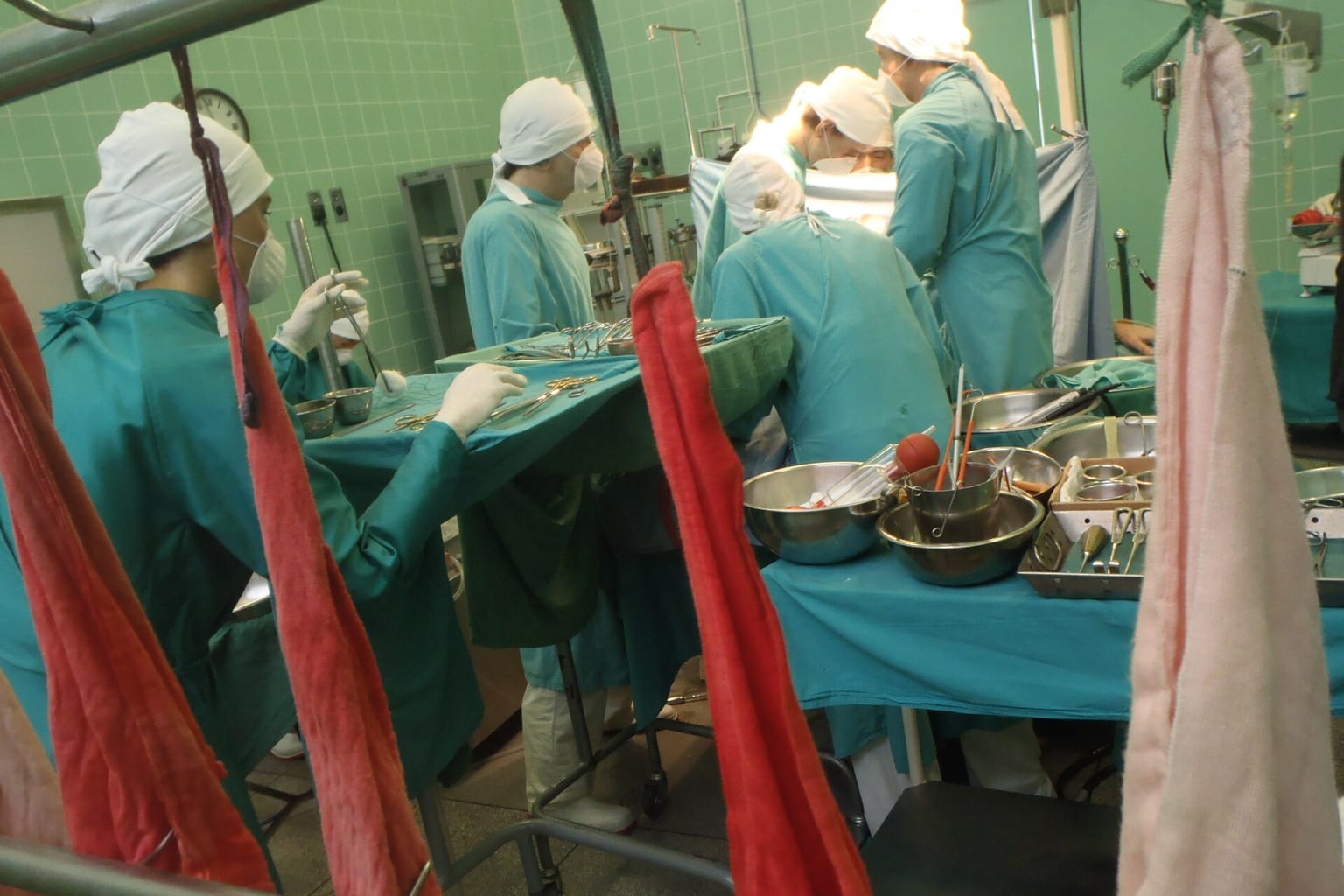
According to the Sydney team, a donated human liver stayed alive outside any body for seven weeks. In Sydney, a team led by surgeon and inventor Carlo Pulitano connected it to automated pumps and sensors that fed the organ nutrients, supplied it with blood and carried its waste away. The organ was kept at body temperature, about 37 °C, which is what “normothermic” means. Pulitano, a transplant surgeon at the Royal Prince Alfred Hospital and a professor at the University of Sydney, says his group is the only one in the world to have kept a human liver under fully normothermic, physiological conditions for seven weeks. The life support system has an official name, the Extended Organ Perfusion System. Pulitano likens it to “an artificial body.”
The number matters because of how little time transplant organs usually have. Normally, a liver stays viable for about 12 hours after removal and icing, according to Swiss reporting, and surgeons race it to the operating table. Over the last decade, surgeons have switched to perfusion, which pumps warm or cold fluid through an organ. It can double the time an organ can be held before it must be transplanted. Perfusion has already let doctors restart hearts from dead people and keep them beating outside the body. In the United States, more than 1,000 people died in 2018 while waiting for a liver transplant, partly because of the limits of standard preservation, according to Scientific American.
Pulitano says the key to the result was automation. At a meeting in Switzerland earlier this year, his team described perfusing 55 human livers, one after another. Some were connected to a system that had to be adjusted by hand. On the automated system, the one that produced the seven-week organ, average survival time tripled, to about four weeks. The gain came from removing the need for constant manual adjustment, which is the change Pulitano credits for breaking the record.
The previous mark was set in Switzerland several years ago, by a liver that lasted around two weeks. That work sits on a longer chain. The Liver4Life project began in 2015 at University Hospital Zurich, with researchers from Zurich’s Federal Institute of Technology. Its first success, in 2020, kept a liver alive for a week. In 2022, a Swiss team transplanted a damaged liver that had spent three days on perfusion, the longest any internal organ had remained outside the body before a successful transplant, says Waldemar Hoffmann, CEO and cofounder of Apersys, a startup that commercializes the technology. Nature reported that case: the liver had been discarded by all transplant centers.
The benefits go beyond keeping organs longer. Perfused organs apparently begin to repair themselves and grow stronger after a day or so, Hoffmann says. Not every organ holds up, though. In an earlier study of 70 pig livers, the organs lost weight over the seven days, falling to around 25 percent of their original mass.
What is less clear, Hoffmann says, is whether any transplant surgeon would want or need an organ kept alive for nearly two months. People in the field believe the record is real, he says, but they do not know how healthy the liver was at the end, or what so much extra time is likely to achieve. “The key question is what the purpose for a seven-week perfusion would be.” The team’s results are also awaiting formal publication, so the details of the record are not yet public.
That is where Paulo Martins, a transplant doctor at the University of Oklahoma, sees room for ambition. Long-term life support could enable far-out concepts such as artificial wombs, new ways of manufacturing organs, and experiments directly on human organs outside the body for long periods. Pulitano points to a more concrete idea. In living donations, surgeons commonly take half of a person’s liver. After about two months, both parts regrow to almost their full volume. He says he has tried dividing a liver and attaching the sections to the machine. If that works, one donor liver could become several full-size organs.
Other teams are looking at the same machines for different reasons. Pulitano has already tried adding gene therapies to livers on the system, calling it “a living human organ model for translational research that no animal system can match, because the biology, the immunology, and the drug responses are human from the outset.” In the United States, the company Bexorg has been reanimating human brains with perfusion pumps to study what experimental drugs do to them. It perfuses brains for about a day and has said it wants to extend that to two weeks. Meanwhile, patents filed by Altos Labs, a longevity startup backed by billionaires, describe introducing reprogramming genes into animal livers kept outside the body. Its scientists have speculated that a failing organ could one day be temporarily disconnected and treated this way.
The field is also organizing itself. Martins founded the International Society for Organ Preservation and Perfusion Therapy, which will hold its inaugural meeting this year in Italy. A second society, based in China, was launched in August to advance what doctors at the First Affiliated Hospital of Sun Yat-Sen University call “organ medicine.” “It’s important to have people thinking outside the box and pushing the limits,” Martins says. “That’s how science moves.”
Perfusion already has a price. Martins says about half the kidneys he transplants are now perfused, although the process can add $100,000 to the cost of a transplant. The next concrete step is a planned trial in Sydney, in which low-quality livers kept on perfusion for four days would be transplanted, with Pulitano’s startup, Aeternum Life Technologies, helping. The team’s stated goal is what Pulitano and colleagues call “time-unlimited liver preservation.”
Sources — read the originals(Paris time)
Pages consulted while writing
Read next
Comments
Loading the thread…
Sign in to leave a comment. Sign in