Lab test screens cellulose food packaging for harmful metals
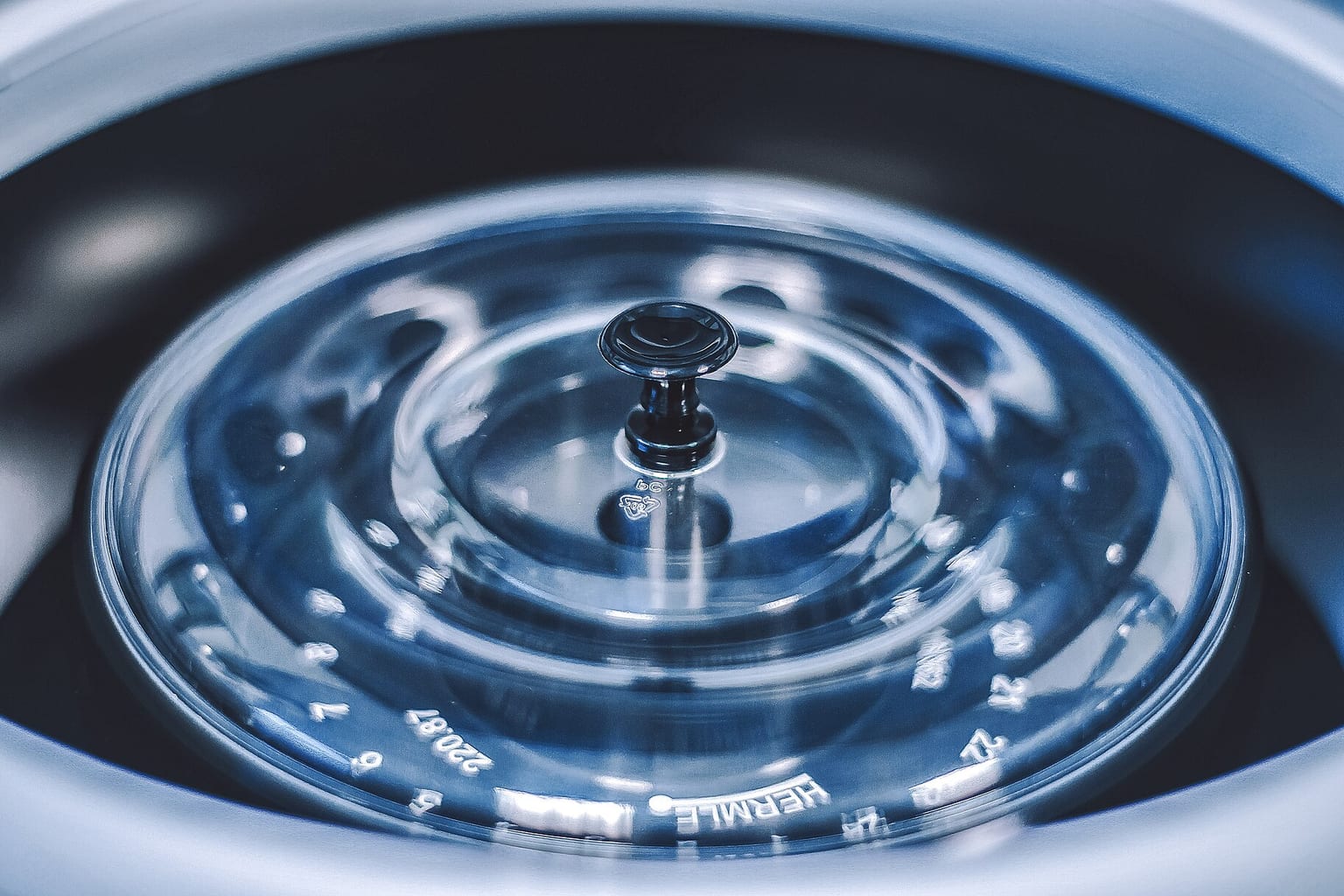
Metals can end up in food from its packaging, and under certain conditions they can leach out. A new laboratory method, described by Xiaomeng Wang and colleagues in the International Journal of Environment and Pollution, can check for four of them at once: cadmium, chromium, lead and titanium. Tested on five commercially available packaging samples, none of the four elements was above safety thresholds.
The packaging in question is regenerated cellulose, a material made from plant fibers and increasingly used as an alternative to conventional plastics. Its manufacture, however, can involve chemical additives and other substances that need safety assessment. Metallic elements may be present after manufacture or remanufacture, which is why the researchers focused on checking finished packaging rather than only the raw material.
The method works in two steps. First, microwave digestion: the sample is heated with acidic reagents, which break it down and release any metals it contains. Second, the solution is analyzed by inductively coupled plasma atomic emission spectrometry, or ICP-AES. This technique heats the sample into a high-temperature plasma, and each metal is identified by the characteristic light it emits. It is, in the authors' words, a high-tech version of the flame test from school labs, where the color of the flame reveals which element is present.
The reassuring result comes with a caveat. The researchers point out that the five samples being clean does not guarantee that every product will be, and they call for improved detection methods to support routine monitoring. The work is a laboratory study; the authors do not describe an industrial deployment, and no timeline for adoption is given.
For manufacturers and regulators, the gain is a more reliable way to spot contamination during quality control, which the researchers link directly to the safety of this kind of packaging. Their stated aim is to allow regulatory standards to be applied across the industry, a goal that depends on methods like this one being reproduced and adopted. When that will happen, the study does not say.
Sources — read the originals(Paris time)
Read next
Comments
Loading the thread…
Sign in to leave a comment. Sign in