In the lab, aged microplastics still bind copper
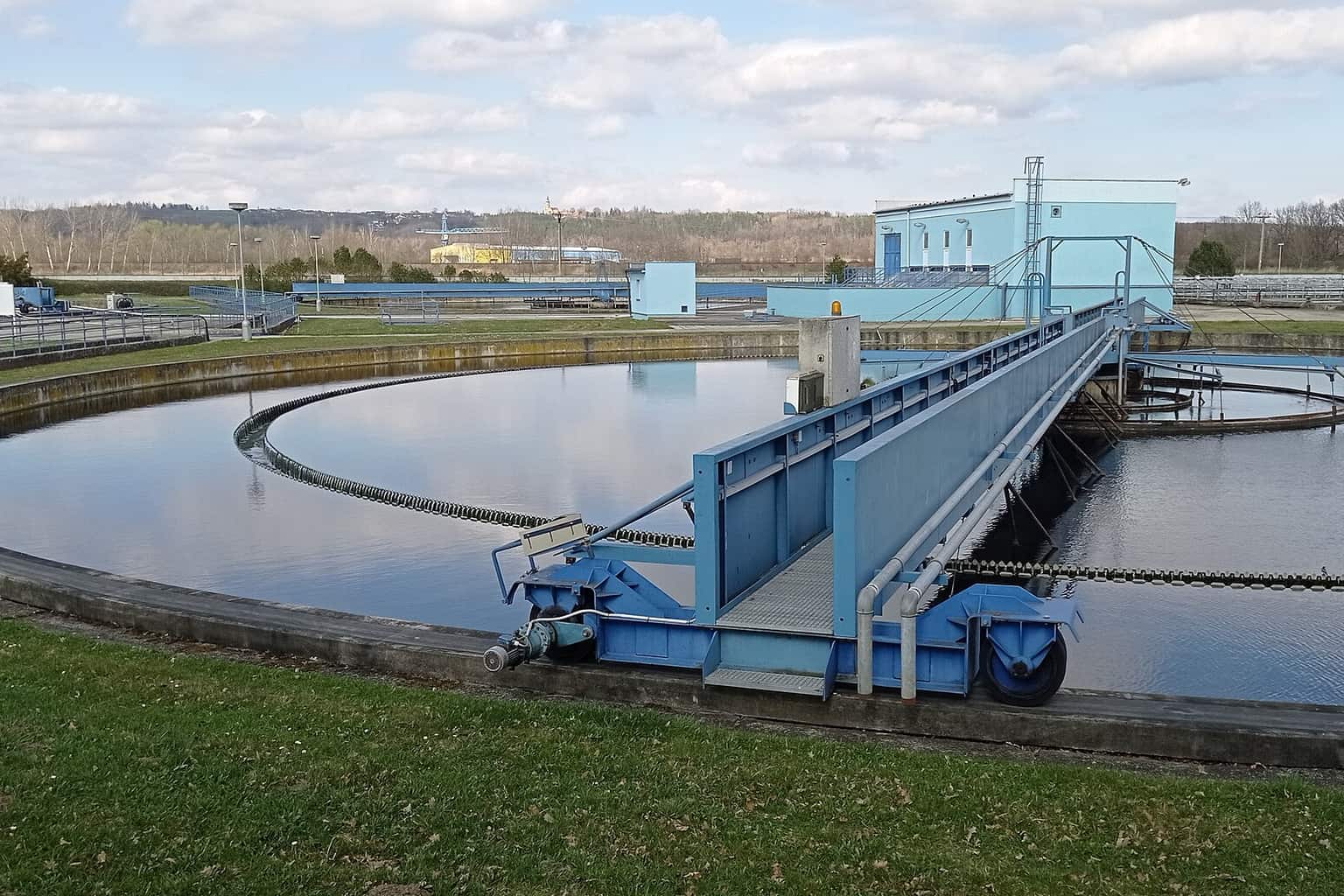
In a laboratory at Baylor University, a team set out to age plastic the way a wastewater plant does, then measure what the aged particles do. Microplastics are tiny plastic pieces smaller than 5 millimetres, and the researchers wanted to know whether they change as they age and whether they stick to other contaminants as they do.
The team used a process called accelerated chemical oxidation, which speeds up the aging of plastic in a controlled setting. The researchers treated the particles with two oxidizing agents, potassium persulfate and sodium hypochlorite, for periods ranging from 24 to 168 hours. They worked on three common polymers: polyethylene, polyethylene terephthalate and polypropylene. Copper, a metal that is toxic to fish, amphibians and invertebrates and can impair their growth, survival and reproduction, was the contaminant they tested.
The central result is that both pristine and oxidized microplastics attached to copper across all three polymers. The particles bound copper from water and soil whatever their condition, which means they can act as carriers that alter how copper moves and, once discharged into lakes and rivers, may increase its toxicity. Christie M. Sayes, of Baylor University, concludes that microplastics are not static: their manufacturing, processing, aging and history change their physical properties, their chemical cargo and their potential risk.
The authors are careful about the reach of these findings. In their words, the role of microplastics as vectors for copper ions "may be more limited or variable than observed under these accelerated conditions and should be interpreted with caution." The experiments were run in a lab, not in a river, and the real conditions of a natural environment remain to be measured.
For researchers who study how plastics interact with pollutants, the benefit is practical: they now have a documented way to start from particles that have already been aged, rather than from new plastic. For those who manage wastewater, the study points to a question to take into account, namely how treatment changes the particles that leave the plant. The sources do not announce a next experiment or a calendar, so what the paper changes for now is the starting point of the tests that follow.
Sources — read the originals(Paris time)
Read next
Comments
Loading the thread…
Sign in to leave a comment. Sign in