Nanodroplet pressure widens range of degradable plastics
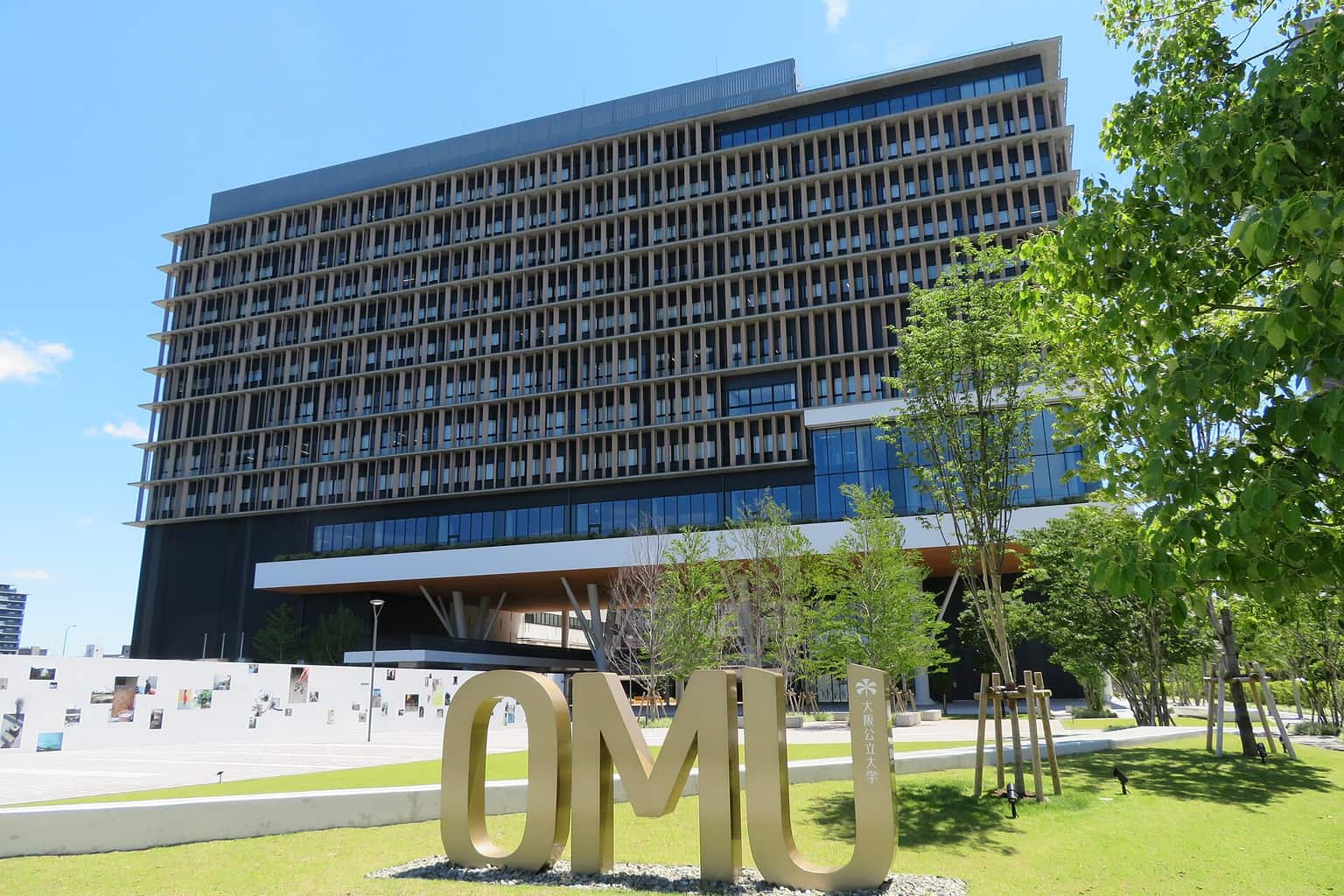
Inside a droplet small enough to be measured in nanometres, a chemical reaction takes a route it would never take in an ordinary flask. That is the bet of a research group at Osaka Metropolitan University, which has used the pressure inside those droplets to widen the range of plastics that can be degraded naturally. The study is published in the journal Macromolecules.
Most plastics resist breakdown in nature because of the chemical bonds that link their monomers, the basic building blocks of a polymer. Over time they fragment into microplastics that persist in the environment. The usual response is to redesign the molecules themselves. The Osaka team set that approach aside and changed the conditions around the reaction instead, using a pressure that chemists seldom exploit.
The mechanism rests on Laplace pressure: the smaller a droplet is, the greater the pressure inside it, because of surface tension. Carrying out the reactions inside nanoscale droplets pushed that pressure high enough to drive reactions that do not normally occur. The pressure unlocked parts of the monomer's ring structure that are normally inaccessible, and let the reaction create different bonding locations. Those new bonds gave the resulting plastics more degradable properties, and materials that were previously considered unsuitable for polymerization could be polymerized.
The researchers say their findings substantially increased the range of materials available for degradable plastics. The work is still at the laboratory stage. The study, led by first author Kaito Fuji with associate professor Yukiya Kitayama, reports the chemistry and the new route, but the source does not give degradation rates for the resulting plastics, nor any test in industrial conditions.
For manufacturers, the change is a wider choice of starting materials without complex structural modifications. Kitayama argues that the method does not require particularly complex or specialized processes and could be implemented in industrial manufacturing, and he sees pressure as a tool that could open new possibilities across many chemical processes. That industrial claim is his own and has not yet been demonstrated.
Sources — read the originals(Paris time)
Read next
Comments
Loading the thread…
Sign in to leave a comment. Sign in