Lab tests extract nearly all metals from old hard-drive magnets
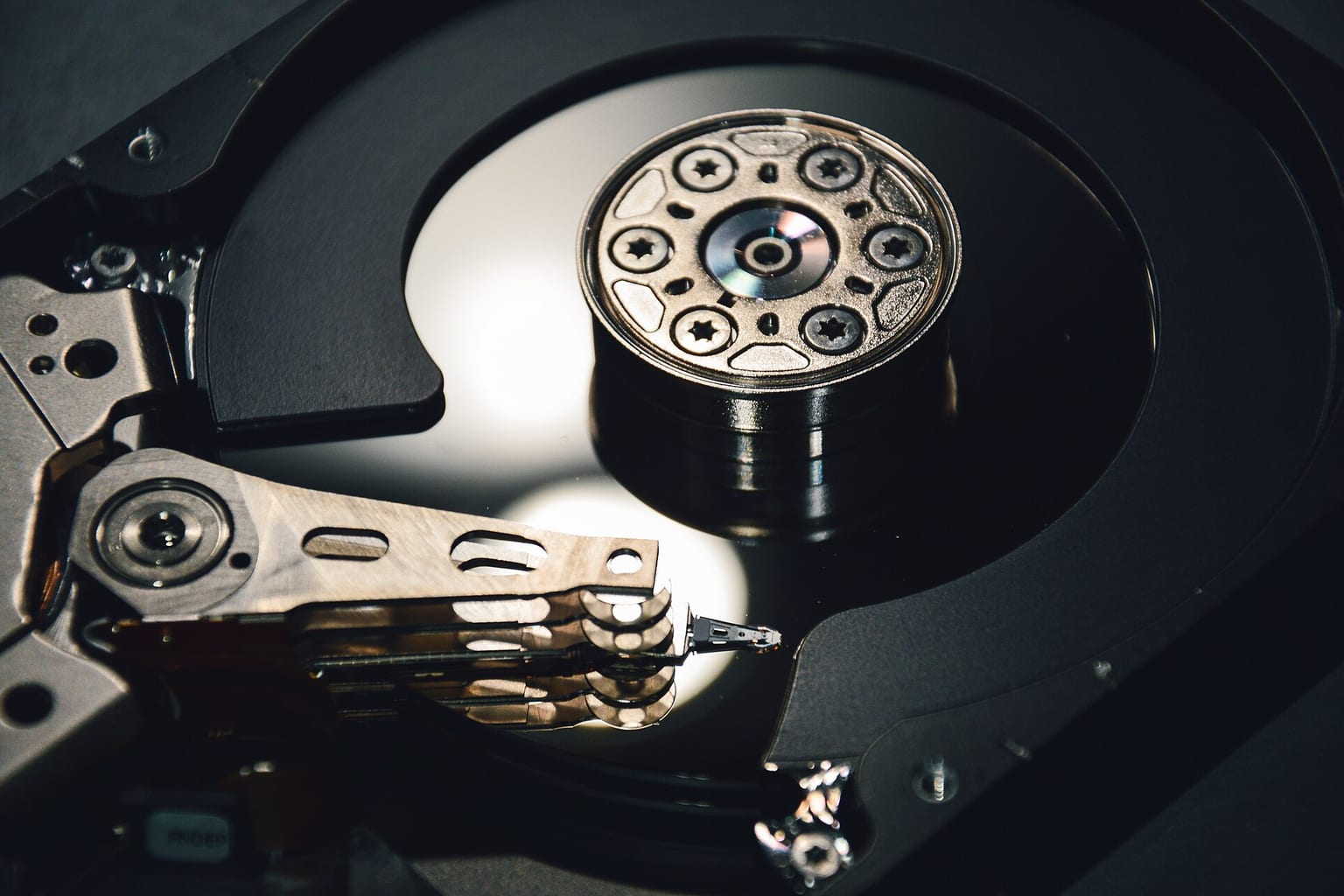
Inside every old hard disk drive sits a neodymium magnet, one of the strongest permanent magnets available. These magnets power electric vehicle motors, wind turbines, speakers and smartphones. Yet almost none of them are recycled in Europe today. Most are collected and shipped to China for reprocessing, and the recovered materials are then imported back. According to Fraunhofer, around 90 percent of Europe's neodymium comes from China.
The NEO-CYCLE project, funded by the European Union and run over four years, is trying to change that. Researchers at the Fraunhofer Institute for Ceramic Technologies and Systems (IKTS) work with TU Bergakademie Freiberg on two ways to separate the metals. The first, solid-state chlorination, replaces conventional hydrochloric acid with ammonium chloride. Heated with the magnet material, the mixture turns into metal chlorides and a high-purity ammonia solution. The method comes from a patented process already used to recycle fluorescent lamps. In initial results, the metals separate more efficiently, and nearly all of them can be extracted using comparatively small amounts of chemicals.
The second route uses an electrochemical cell. Powdered magnet waste sits in a diluted sulfuric acid electrolyte, which carries the reactions. This step extracts boron first, and the boron solution can then be concentrated for use in the chemical and pharmaceutical industries. The Fraunhofer team then uses a selective hydrometallurgical process, which works with metal solutions, to recover neodymium and iron in pure salt form.
For European recyclers and the industries that buy magnets, the change would be concrete: recovered neodymium and iron could feed new products, including green fertilizers, hydrogen production and pharmaceuticals, instead of leaving the continent. The researchers, led by Sandra Pavón, say the goal is a circular supply chain for electronic waste. The work has so far been tested only at laboratory scale. A pilot plant is planned, but no date for it has been announced, and the economic viability the project seeks has not yet been demonstrated.
Sources — read the originals(Paris time)
Read next
Comments
Loading the thread…
Sign in to leave a comment. Sign in