Microsoft's AI beats generalist doctors on hard cases
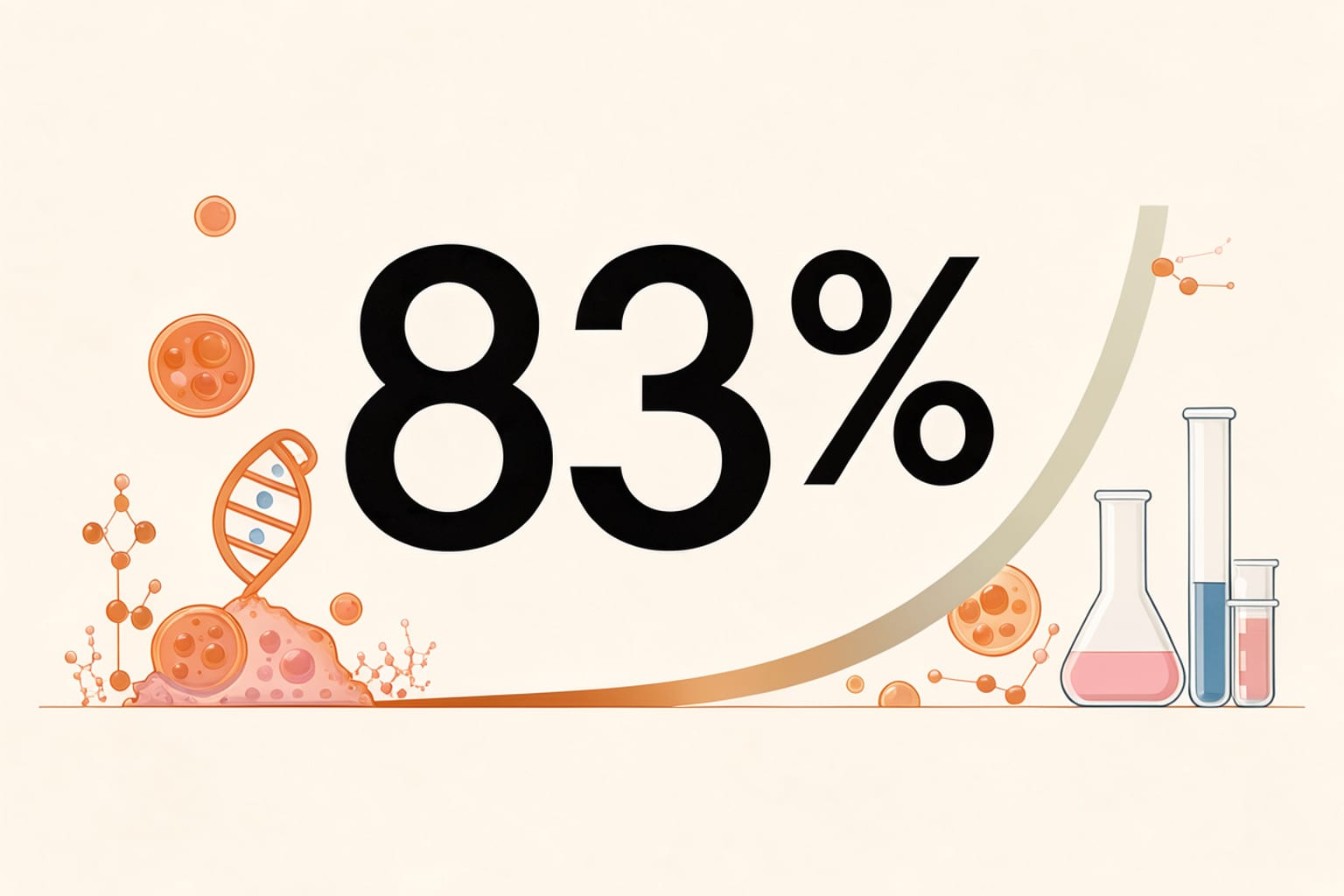
83% of complex cases correctly diagnosed, against 36% for generalist doctors working alone: that is the gap Microsoft reports from a simulation published in Science. Mustafa Suleyman, the chief executive of Microsoft AI, presented it as a step toward “medical superintelligence.” The test uses complex cases from the New England Journal of Medicine, a reference medical journal, and the result comes from a simulation, not from a study on patients.
The system, called MAI-DxO, is built from several AI programs, each with a role, that work together like a panel of doctors. They question the patient, order tests and debate a diagnosis. Cases this complex are usually handled by specialists or teams of physicians, and those specialists were not part of the comparison. The benchmark therefore measures the system against generalists only.
Most of the gain depends on the AI model underneath. Microsoft tested MAI-DxO with models from OpenAI, Google, Anthropic, Meta and DeepSeek, and its best results came with OpenAI’s GPT-5 and GPT-5.5. On its own, with a short, basic prompt, GPT-5 scored 78.9% on complex cases at about $8,400 per case. With MAI-DxO, the cost fell by about $3,000, while accuracy rose by only about four points. With GPT-5.5, released in April 2026, accuracy on complex cases went from 72% to nearly 87%. The weaker Gemini 2.5 Flash went from 46.4% to nearly 69%, yet the gap between the weaker and stronger models remained larger than the boost the system provided. On emergency department cases, the gains nearly disappeared.
Suleyman, a co-founder of DeepMind who joined Microsoft in 2024 to lead its AI unit, is betting that the next step is medical records and clinical decision support. Microsoft is working with the Mayo Clinic on a foundation model for healthcare, with release planned for next year. “This technology is ready for real world evaluations,” said Dominic King, Microsoft AI’s vice president of health. The aim, he said, is to address “the growing mismatch between demand and supply of medical expertise.” Suleyman expects healthcare models to get “an order of magnitude better in capability within the next 24 to 36 months.” That is his forecast, not a measured result.
What changes for patients depends on the Boston trial, which will compare MAI-DxO’s recommendations with those of human doctors across emergency and urgent care settings. Microsoft has not given a date for those results.
Sources — read the originals(Paris time)
Read next
Comments
Loading the thread…
Sign in to leave a comment. Sign in