MIT labs push AI, anesthesia and chemistry against brain aging
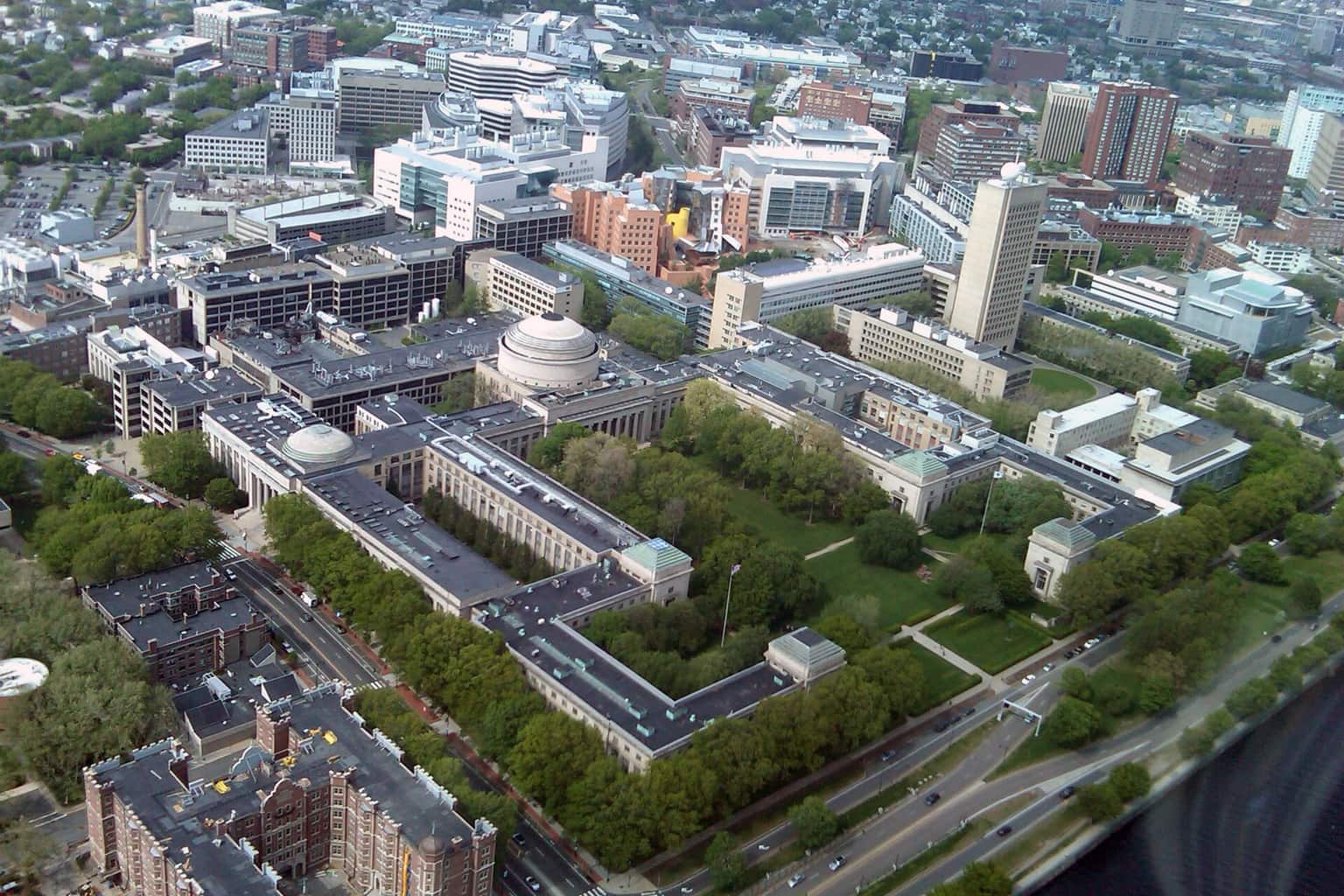
On September 25, six talks at MIT's Aging Brain Initiative (ABI) symposium 'Innovations for the Aging Brain' described one idea from six angles. Diseases such as Alzheimer's are system-wide breakdowns, the ABI's founding premise since 2015, and they call for advances from many fields at once. The talks showed what that means on the MIT campus, from artificial intelligence to chemistry.
The most concrete project is an AI model called FINGERS-7B, built by a team that includes Giovanni Traverso, a physician at Brigham and Women's Hospital, Li-Huei Tsai, the ABI director, and Arvid Gollwitzer and Adrián Noriega de la Colina. The model merges clinical trial data, patient lifestyle histories and multi-omics data, meaning genomics and proteomics, which measure genes and proteins. The team trained it on 8 trillion 'tokens', the units of data a model learns from, to predict how an individual's Alzheimer's will progress and how that person will respond to prevention measures. Noriega added that the same predictions could help select the right populations for clinical trials of new drugs.
Earl K. Miller and Emery N. Brown focused on a different risk: cognitive side effects of general anesthesia in older adults, where postoperative delirium is frequent after major surgery. Their closed-loop system, which adjusts a treatment from a measurement taken continuously, uses brainwaves to track unconsciousness. Their labs have shown that several anesthesia drugs induce unconsciousness the same way, by shifting brainwaves out of phase with each other and disrupting communication across the cortex. Such signatures could help anesthesiologists tailor dosing during surgery.
Other talks worked at the scale of cells and molecules. Ritu Raman's lab builds lab models of muscle tissue that include nerves and blood vessels, and for ALS, amyotrophic lateral sclerosis, it grows these cultures from induced pluripotent stem cells, adult cells reprogrammed to act like embryonic cells, taken from patients. Oleta Johnson's lab aims to stop harmful protein clumping before it starts, and Alan Jasanoff develops chemical probes that make molecules visible in MRI, magnetic resonance imaging. Laura Kiessling studies glycans, sugars on the cell surface, one of which, heparan sulfate, has been linked to Alzheimer's.
For now, these are tools and models in research. The symposium gave no timeline for clinical use of the AI system or the anesthesia monitor, and no trial date. The first beneficiaries would be patients who could be matched to prevention, anesthesiologists who could dose more precisely during surgery, and drug developers who could pick better trial populations, but MIT's researchers have not said when any of this would reach a clinic.
Sources — read the originals(Paris time)
Read next
Comments
Loading the thread…
Sign in to leave a comment. Sign in