Neglected malaria parasites fully mapped from patient blood
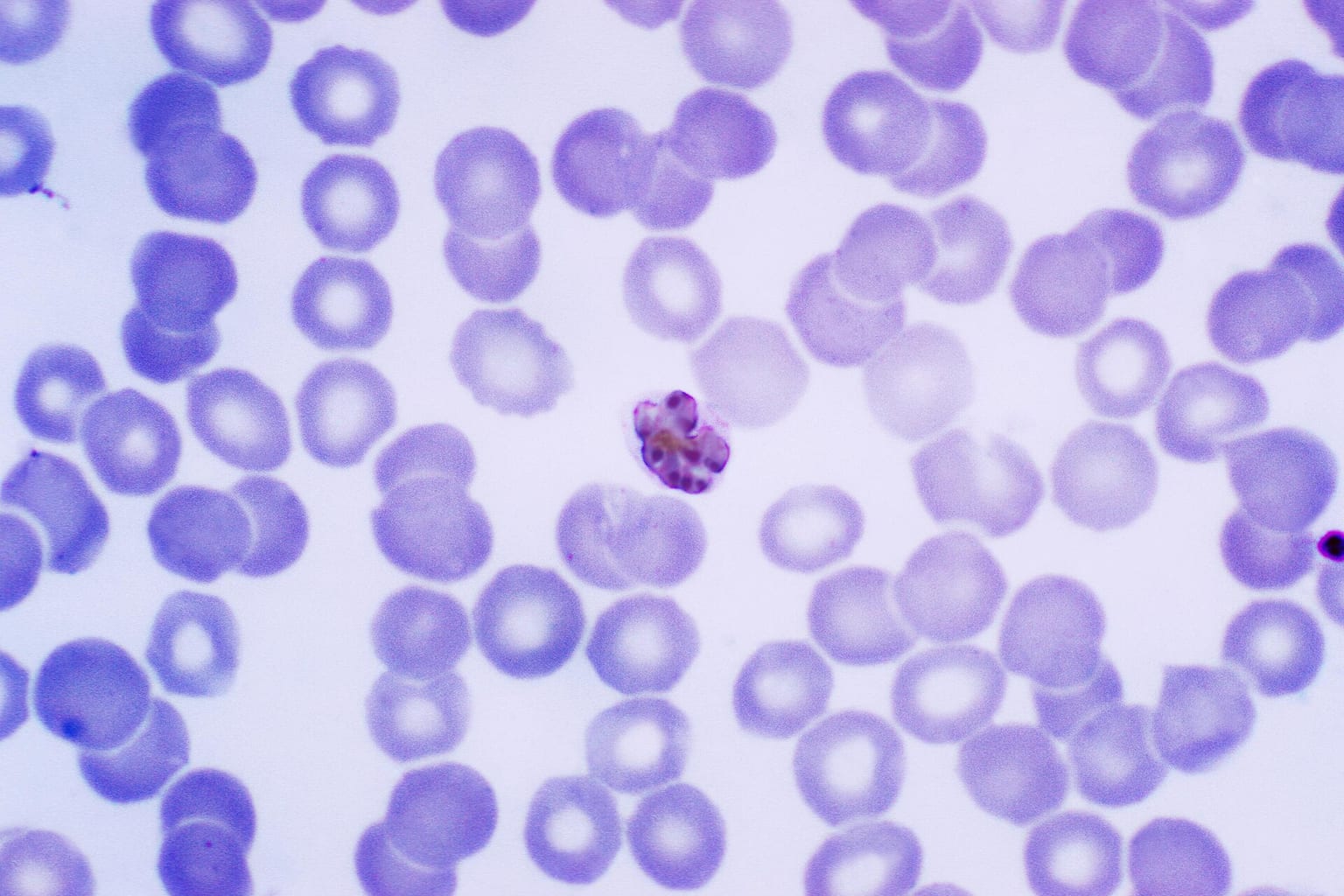
Researchers drew blood from people with natural malaria infections in Faladie, Mali, and read the genetic code of the parasites inside it without ever growing them in a lab. The result, published on 12 November in PLOS Pathogens, is a set of chromosome-level reference genomes for Plasmodium ovale, Plasmodium malariae and Plasmodium falciparum, the three malaria parasites studied. The work was led by a team from the Wellcome Sanger Institute and the Parasites and Microbes Research and Training Center in Mali.
For decades, the two neglected species were hard to study. P. ovale and P. malariae infect millions of people and cause chronic illness, yet they were considered rare, and no one has found a way to keep them alive in culture. Culturing also distorts the picture, favouring some strains and suppressing others. So the team filtered out human white blood cells and uninfected red blood cells to raise the share of parasite DNA. Their long-read sequencing, which reads long stretches of the genetic code, produced high-quality genomes from as little as two nanograms of DNA. A technique called Hi-C, which maps how the genome is organised in three dimensions, then helped assemble the fragments into full chromosomes.
The chromosome ends turned out to be the most revealing part. They are rich in repetitive DNA that is hard to assemble, and they carry genes for proteins that help parasites evade the immune system. In P. ovale wallikeri, the PIR gene family has expanded to more than 2,000 genes, about 25% of the parasite's genome. Comparing samples from the same area and period also showed extensive gene shuffling at these ends, the way the parasites swap genetic material to adapt. The authors say these are the most complete chromosome-level references to date for P. ovale and P. malariae.
For surveillance teams and drug researchers, the change is practical. With reliable reference genomes, studies of how malaria spreads and how the parasite's DNA changes can be designed with more precision, and new therapeutic targets can be sought to stay ahead of drug resistance. Professor Abdoulaye Djimdé, director of the Malian center, described the genomes as 'an essential toolkit for improving species identification across West Africa'. The authors give no date for these applications; they present the genomes as a base for future work.
The study rests on samples from one area of Mali, and it is a research result, not a test in use. Dr Mara Lawniczak, the senior author, said the genomes 'fill a critical knowledge gap in global malaria research' and let the team follow how these parasites adapt and watch for surges in drug-resistant strains. The authors write that the work ensures these neglected species are fully integrated into global elimination strategies across Africa.
Sources — read the originals(Paris time)
Pages consulted while writing
Read next
Comments
Loading the thread…
Sign in to leave a comment. Sign in