Soil bacteria compound clears 99.9% of a malaria parasite
Chemist Ben Shen and Dong Yang sort through a tray of freeze-dried microbial strains at The Herbert Wertheim UF Scripps Institute. In that collection, the team has found compounds that kill malaria parasites in lab tests, and they do it at every stage of the parasite's life cycle, which existing antimalarial drugs do not do, according to Shen.
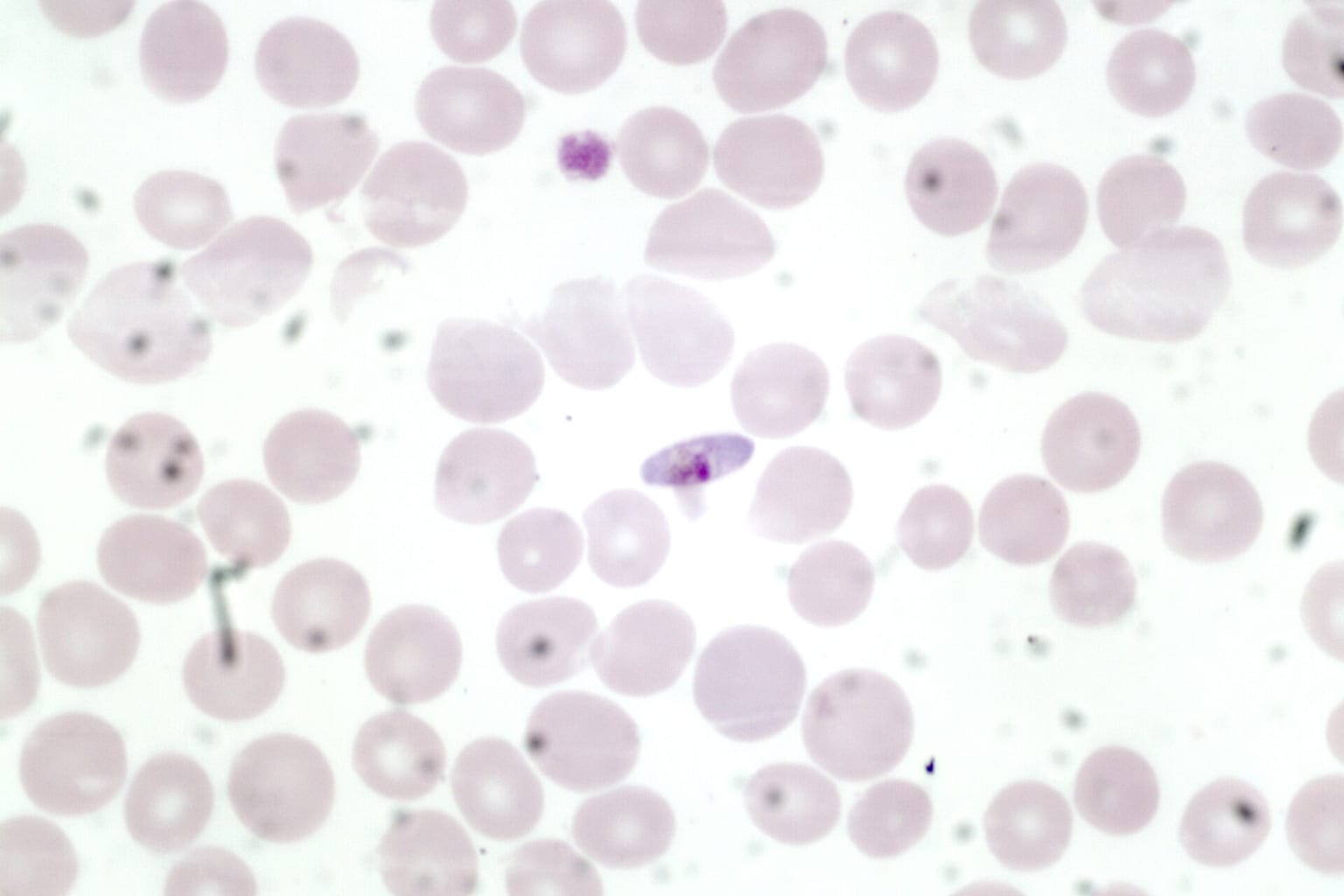
Malaria remains one of the most widespread and deadly infectious diseases, sickening an estimated 280 million people a year and killing about 600,000 people annually, mostly small children. The parasite is spread by mosquitoes in tropical areas and is growing resistant to chloroquine and artemisinin, two standard therapies. That is why, as Shen put it, it is critically important to find drugs whose mechanisms of action differ from those of past treatments.
The team began with 81 purified natural compounds from the institute's collection and found six promising candidates from five chemical families. They then screened 1,531 samples made from 425 microbes, a group of bacteria called Actinobacteria, and found that about 20% had antimalarial properties. After filtering out those toxic to humans, they studied the strongest candidates and identified several compounds no scientist had described before. The researchers cultured the bacteria that produced them, optimized their production and named the new family SPAs, after sphaeriaurantins, from a rare group of soil bacteria called Sphaerisporangium.
The best SPA cleared 99.9% of a multidrug-resistant Plasmodium falciparum from blood and from cultured liver cells, and the team's testing indicates the SPAs are unlikely to develop drug resistance. The results were published in August in the Journal of the American Chemical Society. They come from laboratory work, and the path from a lead compound to an approved medicine can take many years.
The next steps are to characterize the pharmacological and therapeutic potential of the SPA structure, identify its primary molecular target and understand how it works, according to Shen. For patients in the regions where malaria is most common, the change is not immediate. What the work does show is the value of the collection itself. Amassed over 80 years from 77 countries, when such collecting was still feasible, it is now too costly to rebuild under international treaties on genetic sovereignty, and Shen says much of it remains unexplored. Two-thirds of drugs approved in the United States originated with or were inspired by natural products, a resource the team now aims to mine further.
Sources — read the originals(Paris time)
Read next
Comments
Loading the thread…
Sign in to leave a comment. Sign in