New equations could help stop a failed column from collapsing a building
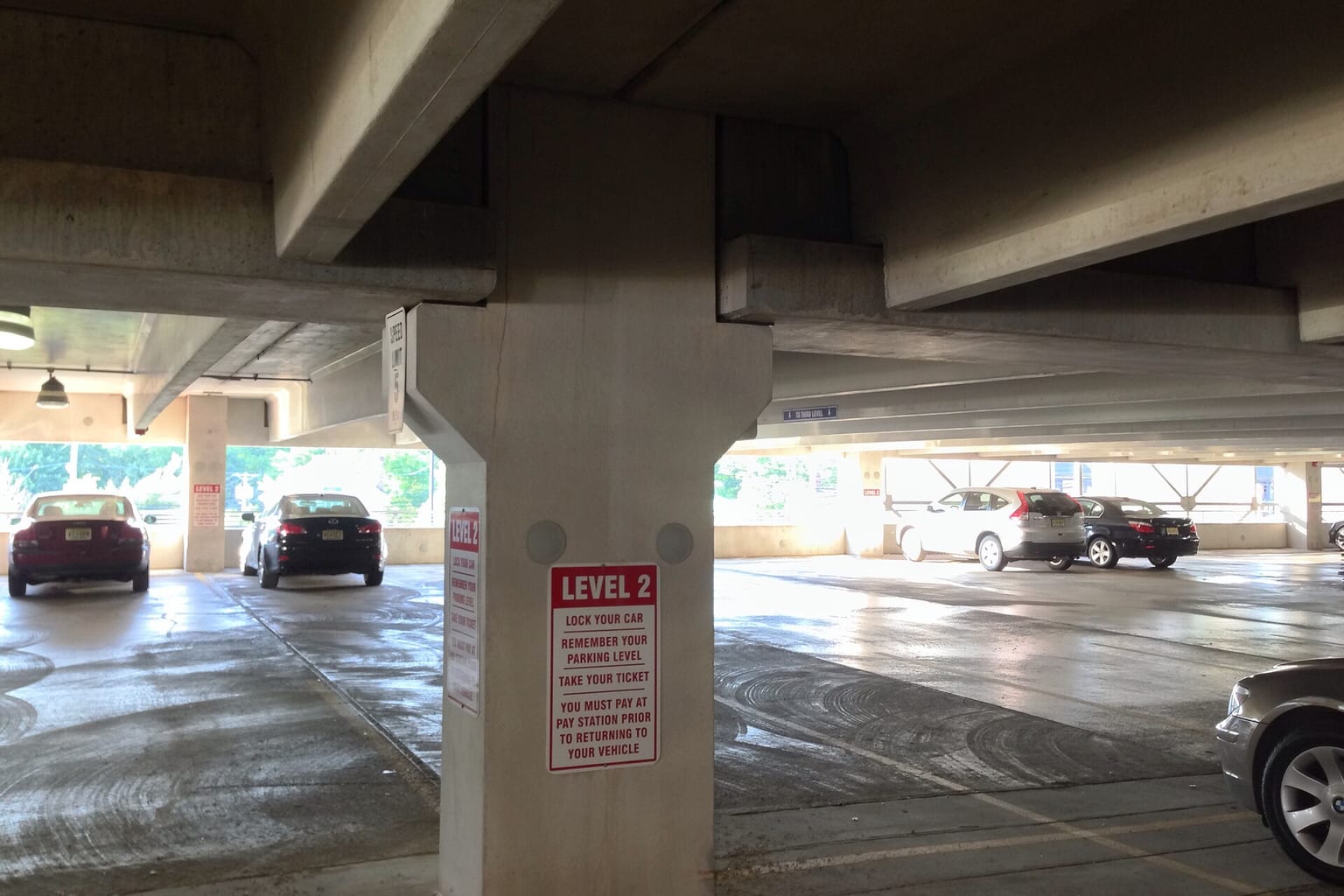
In 2020, a parking garage at Nueva Montaña, in Santander, Spain, collapsed. Researchers at the University of Surrey later used that real case to test a new way of predicting how such buildings fail, and the test is what gives the method its credibility.
The problem starts with a design that is popular for good reason. Many modern garages, offices and apartment blocks rest their floors on flat concrete slabs held up directly by columns, which leaves the space free and uses material efficiently. The weak point is a failure called punching shear, in which a column effectively pushes through the slab above it. If the weight it carried suddenly moves to neighboring columns, those can be overloaded too, and the damage can spread from one support to the whole structure. Engineers call this progressive collapse.
The method published in Structural Concrete offers a simpler route to checking that risk. Developed by Dr. Maria Liapopoulou and Professor Juan Sagaseta with partners in Madrid, Extremadura and at the firm Skidmore, Owings & Merrill, it uses a set of closed-form equations that remove the need for some of the more complex calculations previously required. The equations estimate how much reinforcement a floor needs so that a failed column does not trigger further failures. When the team compared them with existing experimental results and with new data from the Nueva Montaña collapse, they predicted the type of failure seen on site, which began around a neighboring column. The study also finds the method can be applied to the sudden loss of several columns at once.
For engineers, the practical point is that the new equations are designed to be compatible with the next generation of Eurocode 2, the European standard for concrete structures. They are meant to slot into existing design practice. Sagaseta said the aim is that "the loss of a single column should not mean the loss of an entire building." The study does not set a date for when the approach could be adopted in design guidance. The findings could support future improvements to structural design guidance.
Sources — read the originals(Paris time)
Read next
Comments
Loading the thread…
Sign in to leave a comment. Sign in