One camera now captures biomechanics data once limited to labs
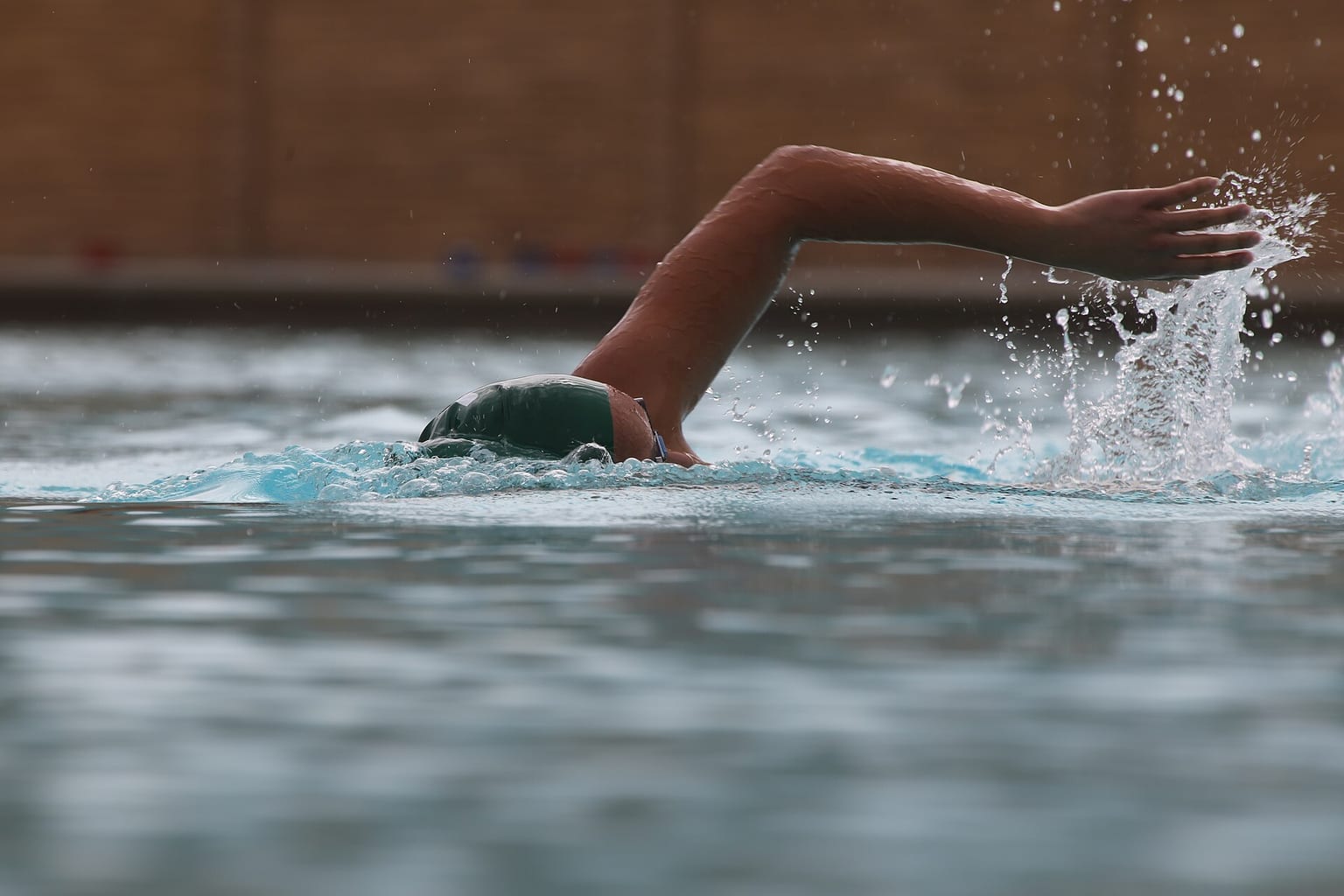
For the first two laps, the Syracuse University cross country runner held flawless form. Then, down the stretch, the times began to slip as fatigue set in. Dan Griffiths, who had recorded the run, saw that the athlete's entire left side, from knee to hip to ankle, “seemed to shut down” compared with the right. The cause went back to a hip injury from six years earlier, which the athlete believed had fully healed.
Griffiths had built the video and software himself to look for exactly this kind of problem. It became Rebound Motion Intelligence, a biomechanics platform that works from a single camera. Biomechanics, the study of how bodies move and what forces act on them, usually required a specialized lab. Griffiths puts the price of such a lab at $500,000, and he presents the platform as a way to skip it: “All you need is video,” he says.
The platform relies on AI and machine learning to turn recorded video into data that was once limited to high-end labs. Griffiths began with heart rate and workout data from 14 runners through an app he had built. He then needed biomechanical measures such as knee, ankle and shoulder positions, which led him to computer vision. He first used 2-D poses, then moved to 3-D pose estimation, which he says can capture the forces moving through the body. A built-in coach bot, powered by a large language model, translates the results into plain language and explains the reasoning behind each recommendation. For the runner, the plan was to rebuild strength on the left side through single-leg squats and single-leg bounds, to improve resistance to fatigue. “The athlete thought they were fully recovered, but that's something that can linger on,” Griffiths says.
The work has moved beyond Syracuse. Through the university's sport analytics department, Griffiths was connected with a parent who was launching an elite track and field program in Guyana. The team now works over Zoom, incorporating video analysis into the athletes' training. The Guyanese coaches are also learning the basics of data analytics and predictive modeling as the sessions go on, which Griffiths says makes them more willing to use the insights.
For a coach without a lab budget, the change is practical: a camera and an ordinary training session can reveal asymmetries that a runner may not feel. Griffiths says he has also worked with basketball and baseball players and golfers, and that “there's a huge market now for this.” He is also applying related methods to player development and scouting with the Philadelphia Phillies. The sources give no date for wider availability, and Griffiths's claims, including the one about a model built for women, come from him rather than from independent tests.
Sources — read the originals(Paris time)
Read next
Comments
Loading the thread…
Sign in to leave a comment. Sign in