Oral gut antibodies erase excess colon tumor risk
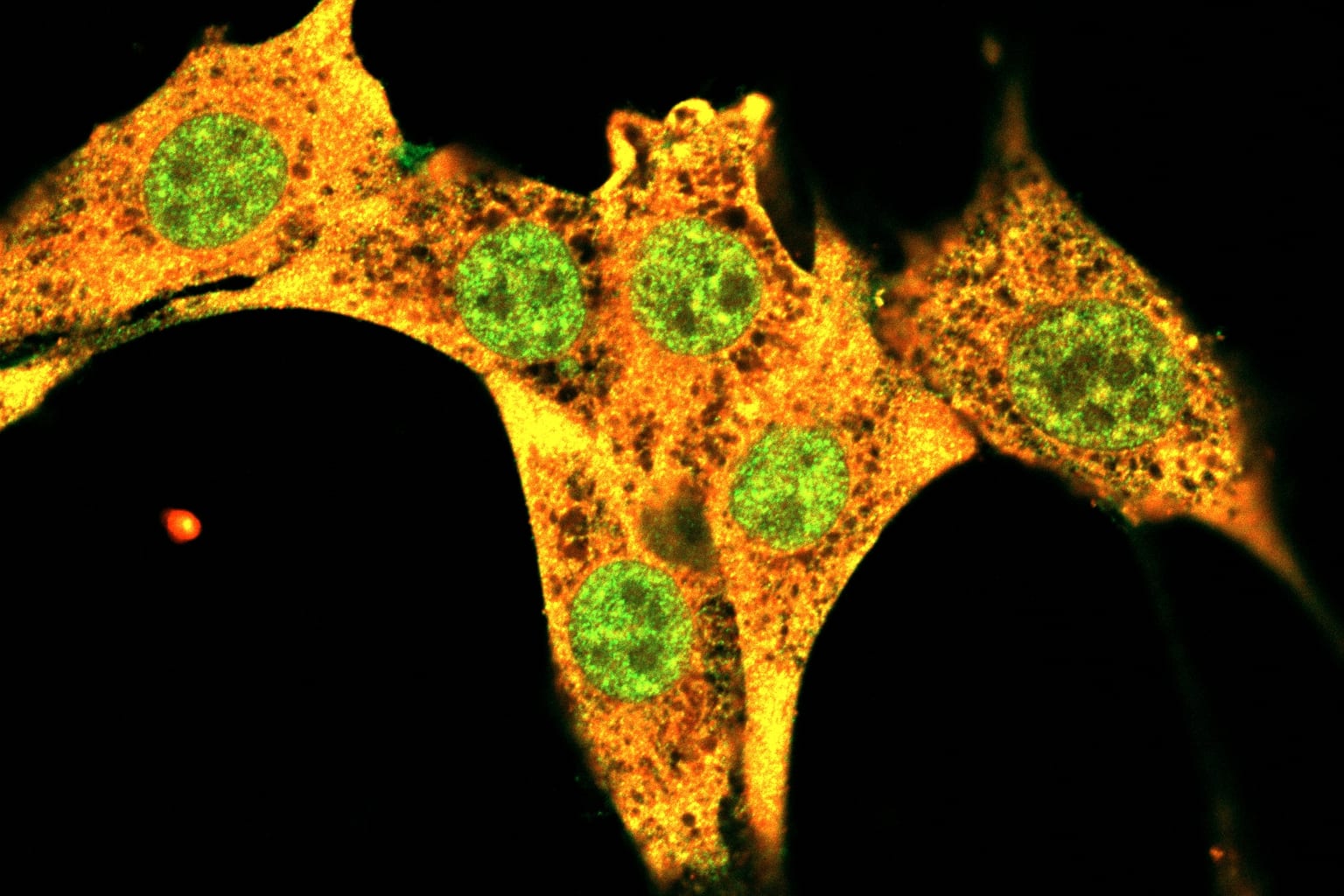
Antibodies coat the lining of the gut, and in mice that lack one class of them, the colon develops many more tumors. Immunoglobulin A, or IgA, is the antibody in question. Researchers at Rockefeller University have now shown that oral doses of IgA eliminated this excess risk in mice that could not make it, a result the team published in Nature.
Scientists have long known that the intestine holds high levels of IgA, but they had wondered why. Unlike most antibodies, which target one pathogen at a time, IgA is a broad first line of defense that binds a wide range of gut bacteria, as well as some healthy human cells. Gregory Donaldson, then a postdoctoral fellow in Daniel Mucida's lab and now an assistant professor at UCLA, wanted to know whether those interactions bore on colon cancer. The question had a human starting point: IgA deficiency affects about 1 in 500 people in the U.S. and is linked to colorectal cancer.
The team compared IgA-deficient mice with normal mice raised alongside them, so both groups met the same germs and food. The deficient animals developed more colorectal cancers, and the effect held in several different models of colon cancer. Inside the animals, the cells lining the gut, called epithelial cells, showed changes in genes tied to cell division before any tumor appeared. The researchers then identified DMBT1, a receptor on the surface of these cells that IgA can bind. In the presence of gut bacteria, DMBT1 acts as a gas pedal for cell division; when IgA binds to it, the signal is held back. In a stripped-down culture of cells, IgA alone suppressed their growth. Mucida calls this effect 'a homeostatic effect' and says 'we think this homeostatic effect is IgA's main function. This was a big surprise.'
For people with IgA deficiency, the study offers a mechanism for their higher risk. The team's most concrete hope concerns polyps: Mucida notes that polyps raise the chance of colon cancer, and that the pathway could be targeted once they are removed, a moment at which, in his words, there are no interventions available right now. No timeline or treatment is announced. The results come from mice, and no human trial is reported. Donaldson's idea of a probiotic supplement that would induce a protective IgA response is, in his words, 'all very speculative.' A bioRxiv preprint of the work, posted under a similar title, cites earlier findings that, among patients with combined variable immunodeficiency, those with colon cancer were more likely to lack IgA.
What opens next is whether the same brake can be reached in people, a question the mouse experiments cannot answer. The team names the polyp stage and the bacteria that might prompt a protective IgA response as the directions it will follow.
Sources — read the originals(Paris time)
Pages consulted while writing
Read next
Comments
Loading the thread…
Sign in to leave a comment. Sign in