Prefab substations could take Dutch grid builds from 10 to 100 a year
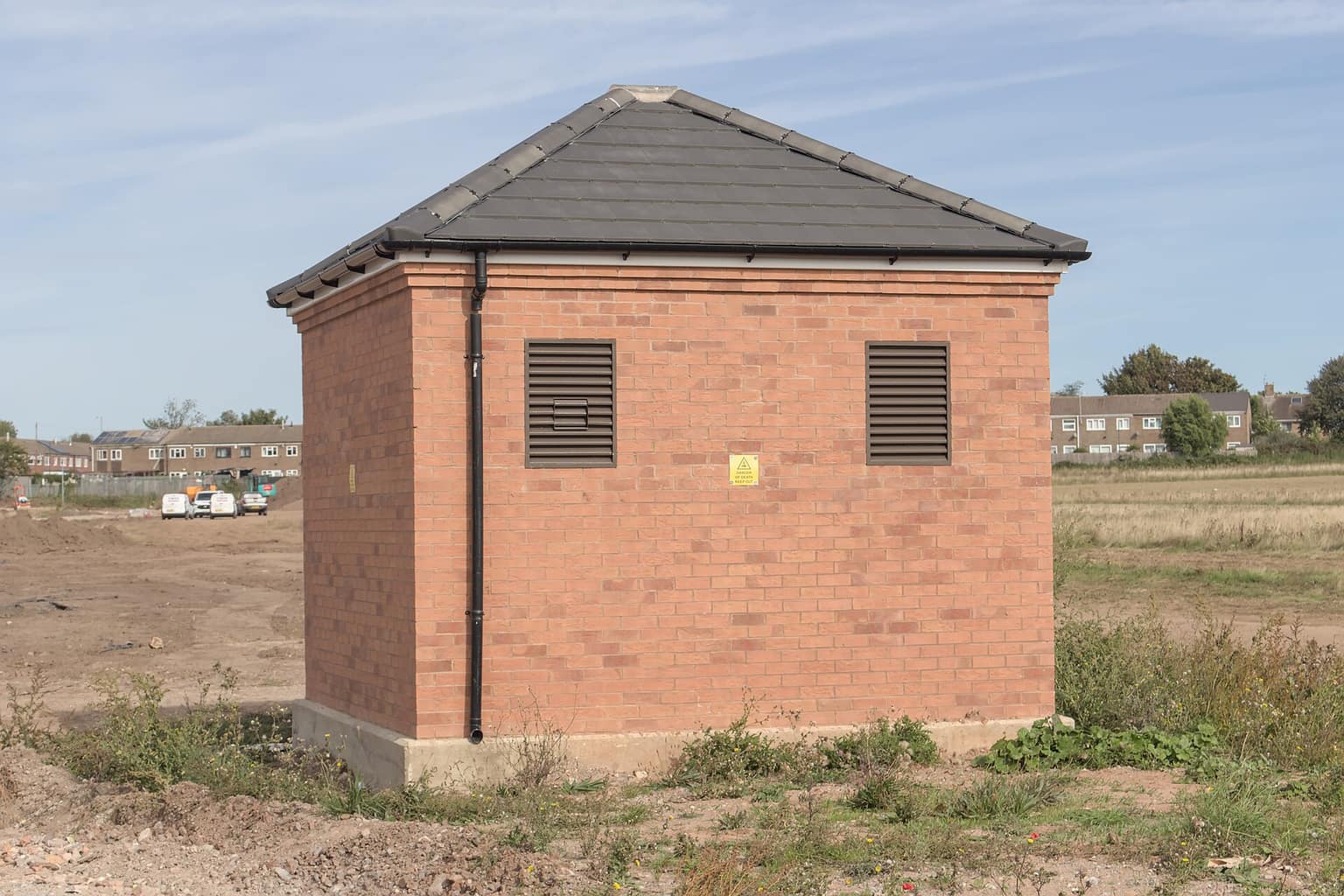
Every new house, every business and every wind or solar project in the Netherlands asks the electricity grid for a little more room, and in many places the existing network has reached its limits. Against that backdrop, the grid operator Enexis, which serves 2.9 million customers over 139,000 kilometers of power lines, and Siemens say they have found a way to build the stations that feed that network far faster: about 100 a year instead of about 10.
The stations in question are gas-insulated switchgear, or GIS. A substation contains switches, circuit breakers, earthing switches and surge protection that route electricity and protect the network from overloads. In a GIS station, this equipment is packed into sealed metal enclosures filled with insulating gas, which makes the whole station compact. Until now, the insulating gas in most of these units has been a fluorinated gas. Siemens's new version uses what it calls Clean Air, an insulation medium that contains no fluorinated gas.
The real change lies in how the station is built. Each unit is a skid, a pre-assembled block mounted on a frame, and it is fully assembled and tested before it leaves the factory. Once it arrives, it can be installed and commissioned in a prefabricated station within one day, which shortens project timelines. The traditional method of building substations was too slow for Enexis to keep up with growing demand, according to the companies.
For a grid operator, the gain is measured in time. A station that can be ready in a day instead of a long site project means that capacity for a new housing estate, a business or a wind farm can arrive when it is needed, not years later. From 2025 onward, the stations will be delivered on demand, and Enexis plans to build up to 800 new transfer stations over the next eight years. Siemens and Enexis say the standardized approach could raise annual construction capacity from about 10 stations to about 100.
These figures are still forward-looking. The first skid was installed in the Netherlands in October 2024, and the companies' announcement does not describe how many stations have been built since. The 100-a-year figure is their own estimate of what standardization could allow, and the announcement gives no price for the stations.
What opens next is the rollout itself. The next test is whether the stations arrive at the pace the companies describe, in the deliveries planned from 2025 and across the eight-year program.
Sources — read the originals(Paris time)
Pages consulted while writing
Read next
Comments
Loading the thread…
Sign in to leave a comment. Sign in