Prototype patch reads pulse and artery stiffness with a phone camera
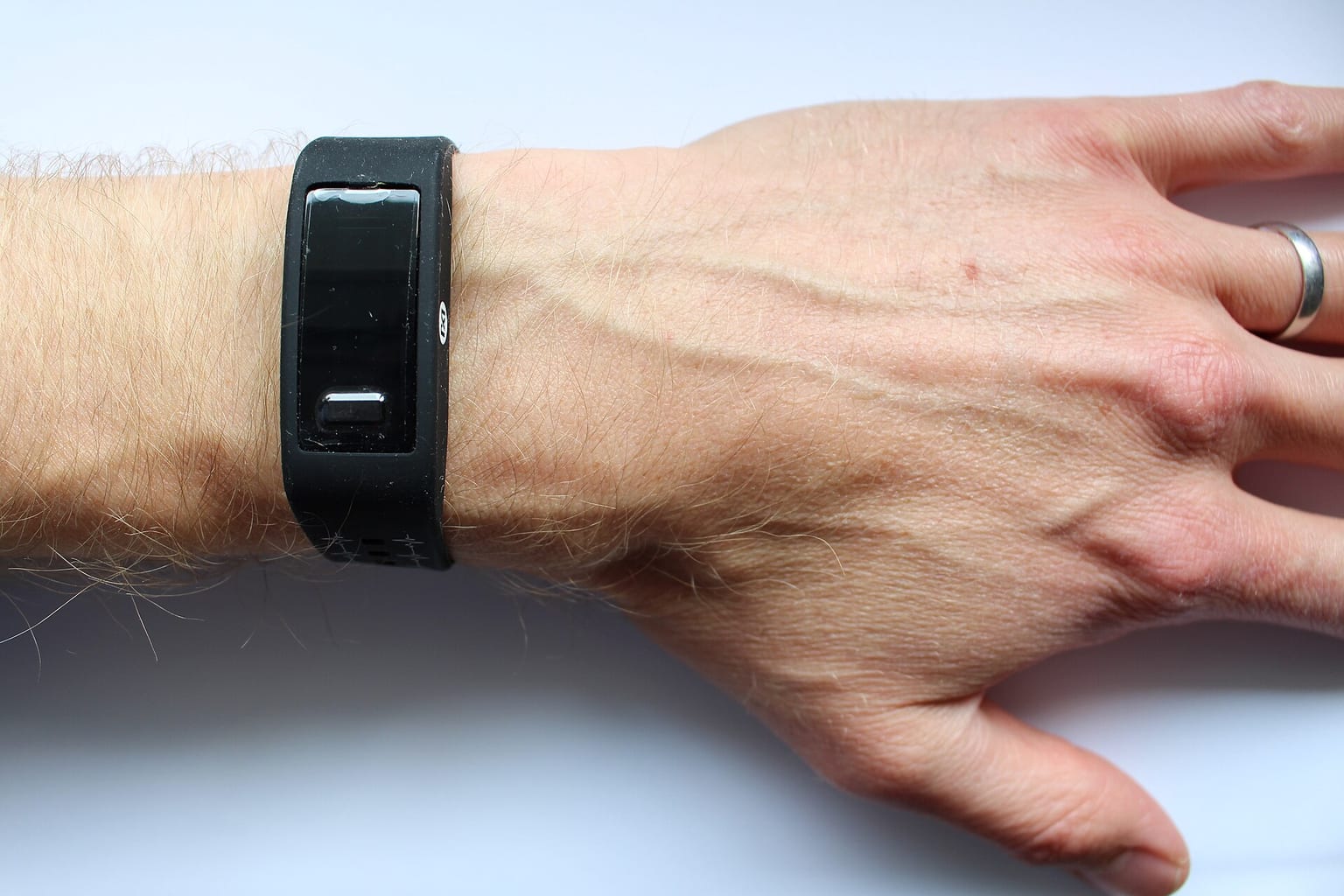
A small patch, the size of a coin you could slip under a watch strap, sits on the skin. Each heartbeat sends a pulse wave through the blood vessels, and the skin moves with it. The patch stretches with that movement, and its colour shifts by a small but measurable amount. The researchers at NTNU say the change can be seen with the naked eye, and it can be recorded by any camera, including the one on an ordinary smartphone.
The design rests on two ideas. One side of the patch carries a nanoscale pattern that changes colour when the material stretches. The other side is a three-dimensional adhesive structure, inspired by the suction cups of an octopus, which lets it grip the skin firmly. The team, led by associate professor Angelos Xomalis, built and tested the device entirely at NTNU. Torjus Lines Steffensen, a postdoctoral fellow in medical imaging, is the first author of the study.
The usual alternative is the optical sensor in a smartwatch: green LED lights shine into the skin and measure how much light is absorbed as blood volume changes. Xomalis points out that this method is strongly affected by the amount of pigment in the skin, so it works less well on dark skin. The patch works differently, because it relies on the mechanical movement of the skin rather than on light absorption. It can also estimate blood-vessel stiffness, a measure that stiffens with age and that can point to cardiovascular disease. Steffensen notes that smartwatch optics struggle to give this kind of information.
Today, measuring vessel stiffness requires electrodes on the chest, arms and legs, connected by wires to an electrocardiogram machine, or ECG, which is found in hospitals, ambulances and emergency rooms. In remote places, Xomalis says, the specialists and equipment may be far away. With the patch, a health worker would need only a smartphone, a device that a large part of the world's population already owns. Steffensen describes the approach as moving much of the complexity of the measurement into the phone.
For now, the benefit is a promise rather than a product. The researchers believe the patch could be the start of a new generation of wearable health sensors that are inexpensive, need no external power and are simple to use. The study does not give a price, a clinical validation or a date for distribution, and the results come from the team that designed the device. If the approach holds up in wider testing, health workers in regions without specialist equipment would be among the first to gain from it, and the path there is still open.
Sources — read the originals(Paris time)
Read next
Comments
Loading the thread…
Sign in to leave a comment. Sign in