Red light switches on protein-destroying drugs in zebrafish
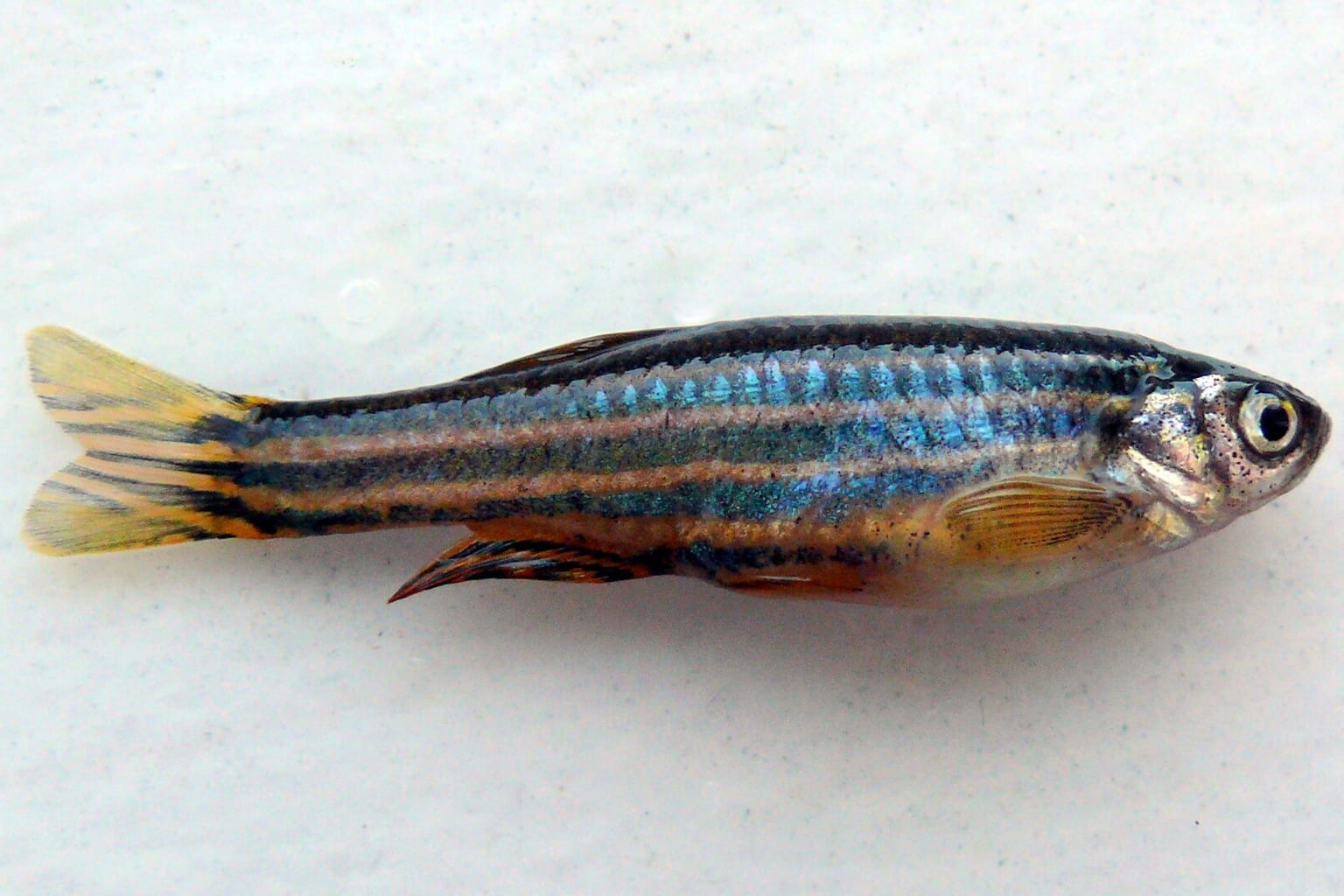
Inside a cell, a protein that drives disease can be removed rather than merely blocked. Researchers at North Carolina State University have now built a molecular "cage" that holds such a removal drug inactive until red light releases it. In zebrafish, the cage switched protein destruction on only in the areas where the light was applied.
The drugs in question are called PROTACs, short for PROteolysis-TArgeting Chimeras. Each one binds two things at once: the disease-linked protein and an enzyme that tags that protein for disposal by the cell's own waste-removal system. Because a PROTAC is reusable, it can mark one protein after another, which lead researcher Glazer describes as "a much stronger sustained effect". The difficulty is that few targets are unique to cancer. Many of the proteins involved also work in healthy tissue, which is why a drug that removes them everywhere is hard to use safely.
The new design, called a RuPHOTAC, uses ruthenium as the gatekeeper. Glazer compares the metal to a beach ball that stops the two proteins from meeting. Under low-energy red light, the ball is removed and the PROTAC can work. The team tested the RuPHOTAC in vitro and in living zebrafish. The compound was nontoxic to the fish, and it decreased the number of targeted proteins in the specific areas exposed to light, which the team measured with fluorescent tags on those proteins.
The limits are clear. This is a proof of concept, tested in fish and not in people. The researchers note that light penetrates more lightly pigmented tissues best, so darker tissue would be harder to reach. The study gives no timeline for further testing or any clinical use.
For patients, the promise is a drug that acts where doctors aim it and not across the whole body. For drug developers, the study offers a way to add timing and location to a class of molecules whose effect is otherwise hard to confine. Glazer's team says the goal is "finer control over PROTAC technology", and the next steps they describe are aimed at that control.
Sources — read the originals(Paris time)
Read next
Comments
Loading the thread…
Sign in to leave a comment. Sign in