Light turns failed drug compounds into building blocks
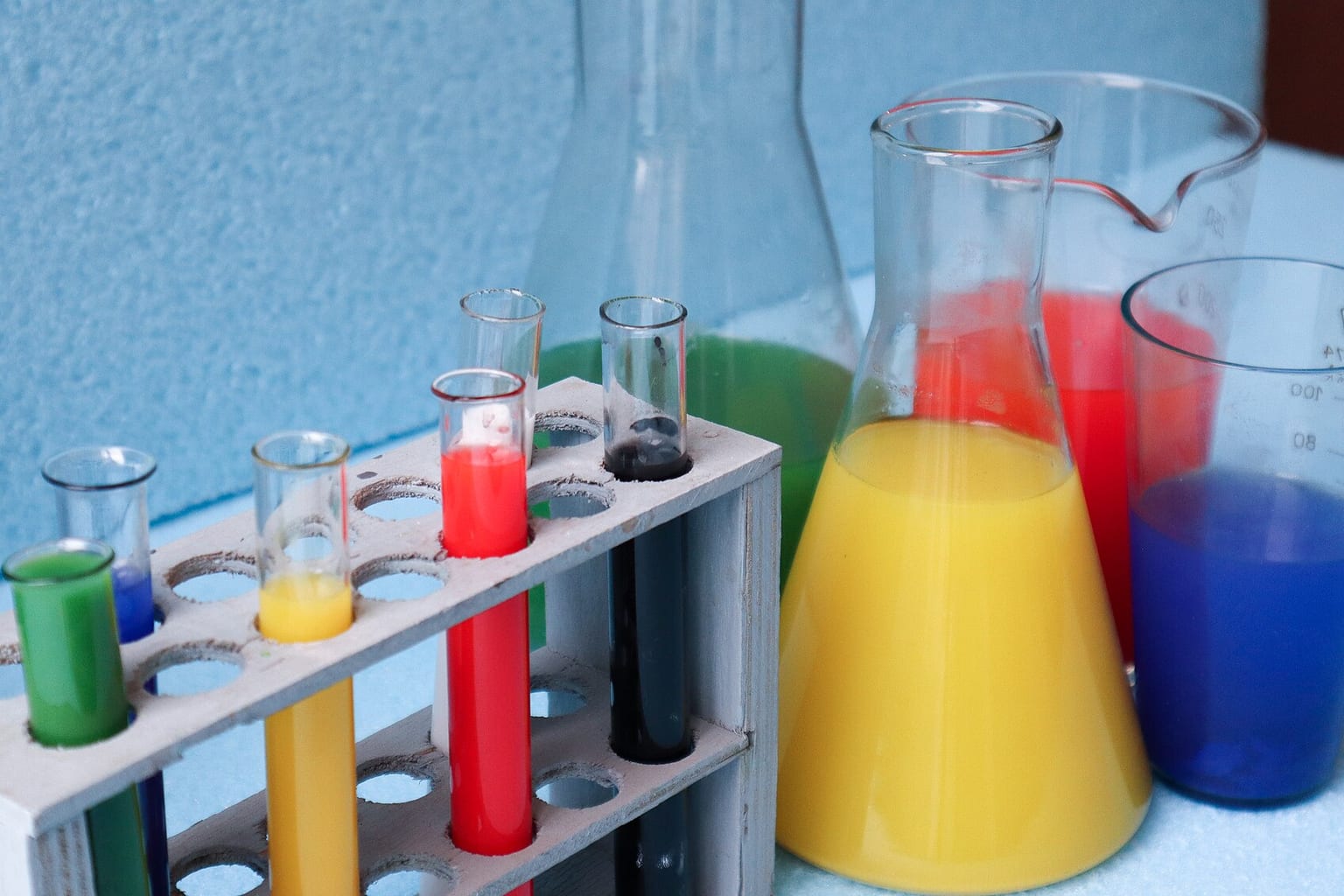
In the laser laboratory of Bryan Kudisch at Florida State University, a beam of light now does something chemists have rarely been able to do: it removes a sulfur atom from a molecule. The result turns a compound that was going nowhere into a new starting point for drug design.
Sulfonamides, the chemical family behind the name 'sulfa drugs', are among the most important structures in medicinal chemistry. Some of the first widely used antibiotics were built on them almost 90 years ago, and they still appear in medicines for type 2 diabetes, high blood pressure, HIV and melanoma. Their weak point is their chemistry: they are largely inert. Chemists have many recipes for swapping the functional groups that change a compound's biological properties, but for sulfonamides, and especially for the sulfur atom at the centre of the structure, very few options exist. Removing that atom, or replacing it, could create new versions of existing compounds while keeping their other useful features.
The method works by photochemistry. Under light, the reaction converts sulfonamides into anilines, a different class of compounds that forms the basis of some cancer-fighting medicines. To understand what happens during this 'surgery', Kudisch's group used advanced laser spectroscopy to follow the reaction within a single microsecond. Kudisch described the approach as spying on what the light does to the molecules, tracking how they move toward either the desired product or an unwanted side product. The reaction itself was discovered and optimised by Eric Nacsa's group at Penn State, and Elvira Sayfutyarova's group provided the computational studies that explain how it proceeds. GSK helped show the potential application in drug discovery.
For chemists designing drugs, the gain is practical. Structure-based drug design depends on being able to modify molecules efficiently, and a reaction that opens sulfonamides to change could widen the set of compounds worth revisiting. Pharmaceutical teams could, in principle, take a compound that once failed and rebuild it around an aniline core. The published work, however, stops at the chemistry: it demonstrates the reaction and its mechanism, and it shows the potential for drug discovery without reporting a medicine built this way.
The next steps are already set. Nacsa said the team expects the results and its ongoing collaborations with the Kudisch group to provide new fundamental insight into how light can transform molecular structures. Kudisch sees the field as early, saying that researchers are just scratching the surface of new ways to make, break and remodel molecules.
Sources — read the originals(Paris time)
Read next
Comments
Loading the thread…
Sign in to leave a comment. Sign in