Removing one protein dulls touch, pain and itch
Brush a fingertip lightly across the skin, touch a hot surface, feel an itch flare. These are three sensations, and they travel along different routes to the brain. Yet in mice, a team led by Bailong Xiao at Tsinghua University has found that they share a molecular helper. Removing one protein, CRELD1, weakened the animals' reactions to touch, heat, cold, painful pressure and itch.
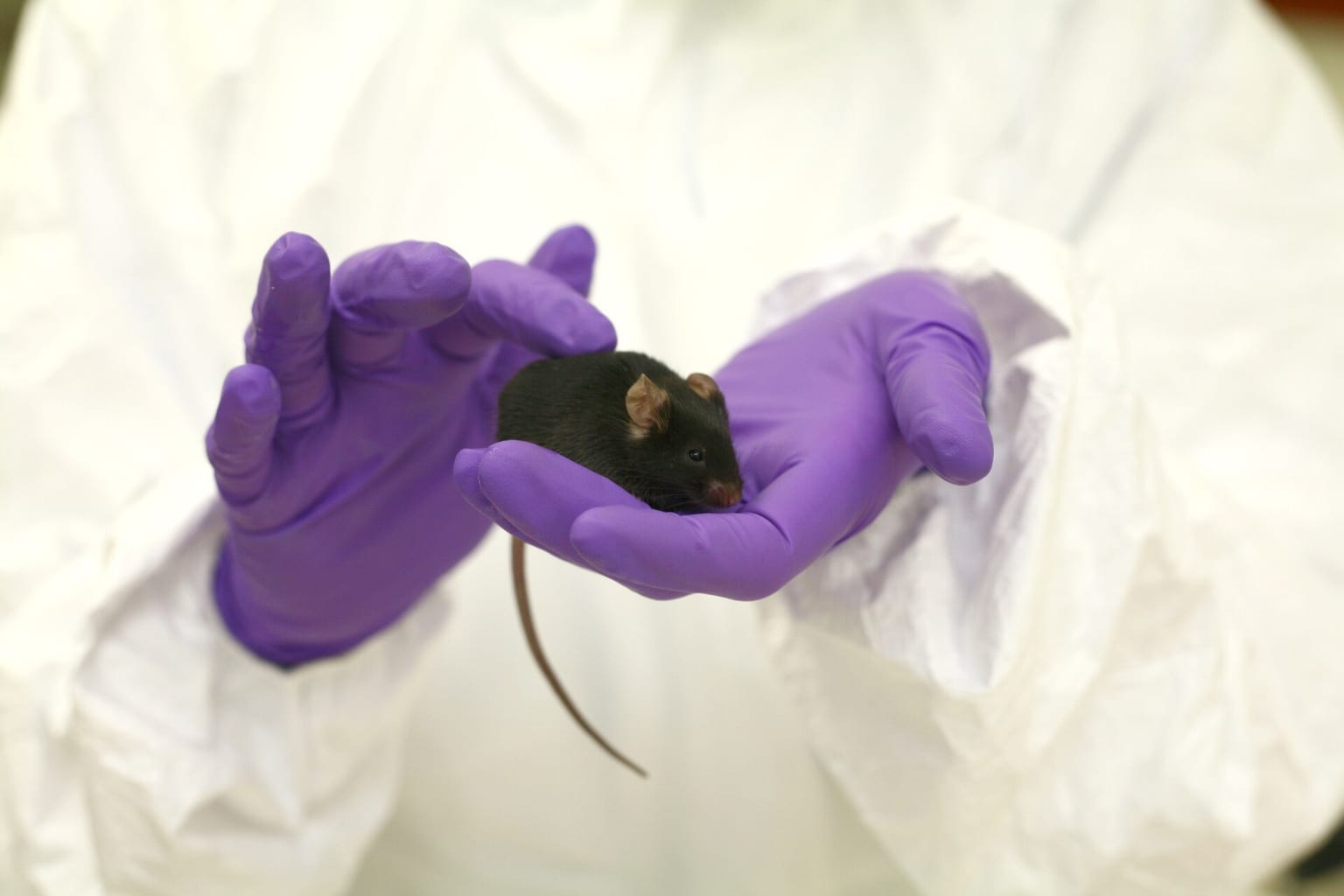
The researchers cast a wide net. Using CRISPR, a gene-editing technique, they disabled selected genes in newborn mice and tested the animals as they grew. After checking their method against genes already known to shape sensation, they screened 20 candidates. One, Creld1, stood out for the breadth of its effects. Mice lacking it withdrew their paws less often when touched with fine filaments or a soft brush, and they took longer to react to hot and cold surfaces. When the team deleted the gene only in sensory neurons, the nerve cells clustered beside the spinal cord, the mice showed similar deficits. They also barely scratched after injections of histamine, a chemical that triggers itch. Their body weight, movement and coordination stayed normal, so a general inability to move could not explain the muted reactions.
Detection, it turned out, was not the problem. Neurons without CRELD1 responded to touch, temperature and irritant chemicals much as unmodified neurons did. The fault lay further along the chain. Neurons produce electrical impulses through sodium channels, proteins that let sodium ions cross the cell membrane. CRELD1 binds several of these channels and boosts their activity. Without it, the sodium currents weakened, so neurons needed stronger stimulation to fire and produced fewer impulses. Raising CRELD1 production did the reverse: it strengthened the currents and made mice more responsive to touch, heat and cold. The protein does not detect any single sensation. It amplifies the signal that carries them all onward.
The mouse results do not establish a treatment, and the human version of the protein adds a complication. Two human forms, tested in cultured cells, behaved differently: one boosted a sodium channel's activity and the other did not. Which form predominates in human sensory neurons is still unknown.
For pain and itch, the interest lies in the contact point between CRELD1 and sodium channels, which the authors describe as possibly offering "a precision target for drug development." No timeline has been announced. Anyone pursuing that target would first have to establish how the mechanism works in people, and whether unwanted sensations can be reduced without dulling the everyday signals that protect the body from injury.
Sources — read the originals(Paris time)
Read next
Comments
Loading the thread…
Sign in to leave a comment. Sign in