In mice, a COVID virus protein directly triggers sneezing and pain
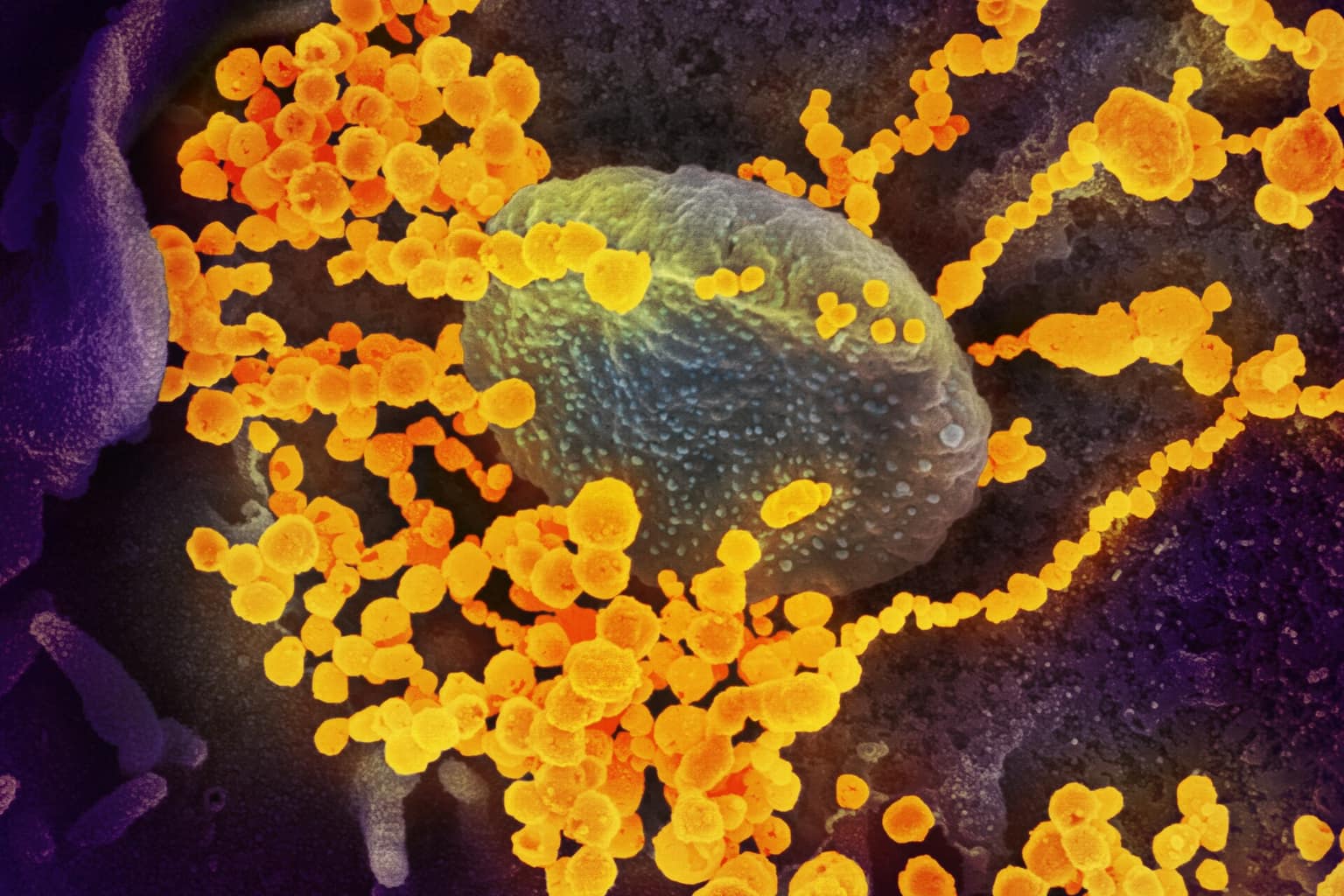
In the early months of the pandemic, Diana Bautista and several people in her UC Berkeley lab were sneezing, coughing and aching with COVID. Her lab asked a simple question: how does a virus make the body do this? Five years later, her team reports a first concrete answer. In a study published in Neuron (first posted as a preprint in January 2024), the researchers show that a protein from SARS-CoV-2 can directly switch on the nerves that cause sneezing and pain. The prevailing view held that these symptoms came only from inflammatory signals released by infected cells and acting on those nerves.
The enzyme is called PLpro, for papain-like protease. Coronaviruses use it to cut long chains of viral proteins into the pieces they need to copy themselves. When an infected cell dies, its contents, PLpro included, spill into the body. The protein reaches the pain-sensing nerve cells of the airways, the nociceptors, and reacts with something on their surface. That reaction switches on TRPA1, the same ion channel that wasabi and garlic activate, and the nerve releases signalling molecules called neuropeptides that trigger reflexes. Purified PLpro alone was enough to activate nerve cells grown in the lab, and disabling its active site removed the effect.
In mice, the team dabbed 2 microliters of purified PLpro into the nose. Water alone might give a single sneeze; PLpro gave up to 30 sneezes per minute, starting about 14 seconds after exposure, against 30 seconds for a control mixture, according to Science. Some reviewers doubted that mice sneeze at all, so the team measured the lung spasms of a sneeze, which resembled those of guinea pigs.
The work has clear limits. Researchers are not sure mice cough, so the team could not test whether PLpro also triggers coughing. Mpro, the other viral enzyme, which the drug Paxlovid targets, also activates these nerves, but in a different way. Reports differ on MERS: one says the protease of the virus behind MERS also activated the nerves, another says it did not. The team also obtained the same activation in nerve cells grown in the lab from human stem cells.
What changes, and for whom? First for drug research. Since the pandemic began, numerous drugs aimed at PLpro have been developed, but none has been approved for COVID. Bautista argues that such inhibitors could do more than block replication: they could also ease coughing, which could limit spread and potentially prevent severe COVID in people who are susceptible. The study also offers a possible explanation for some long COVID symptoms, including headache, shortness of breath, persistent cough, sore throat and chest pain. For now these remain hypotheses: the experiments ran in mice and on lab-grown human nerve cells, not in patients.
Whether these symptoms mainly protect the host by expelling the virus, or help it reach others, is still open. “Maybe it’s a little bit of both in the end,” Bautista said. “With so many emerging pathogens, we’re just starting to understand how they work,” she added. “I think we have a lot to figure out.”
Sources — read the originals(Paris time)
Pages consulted while writing
Read next
Comments
Loading the thread…
Sign in to leave a comment. Sign in