Satlyt's software plans tasks on one computer in orbit during a test
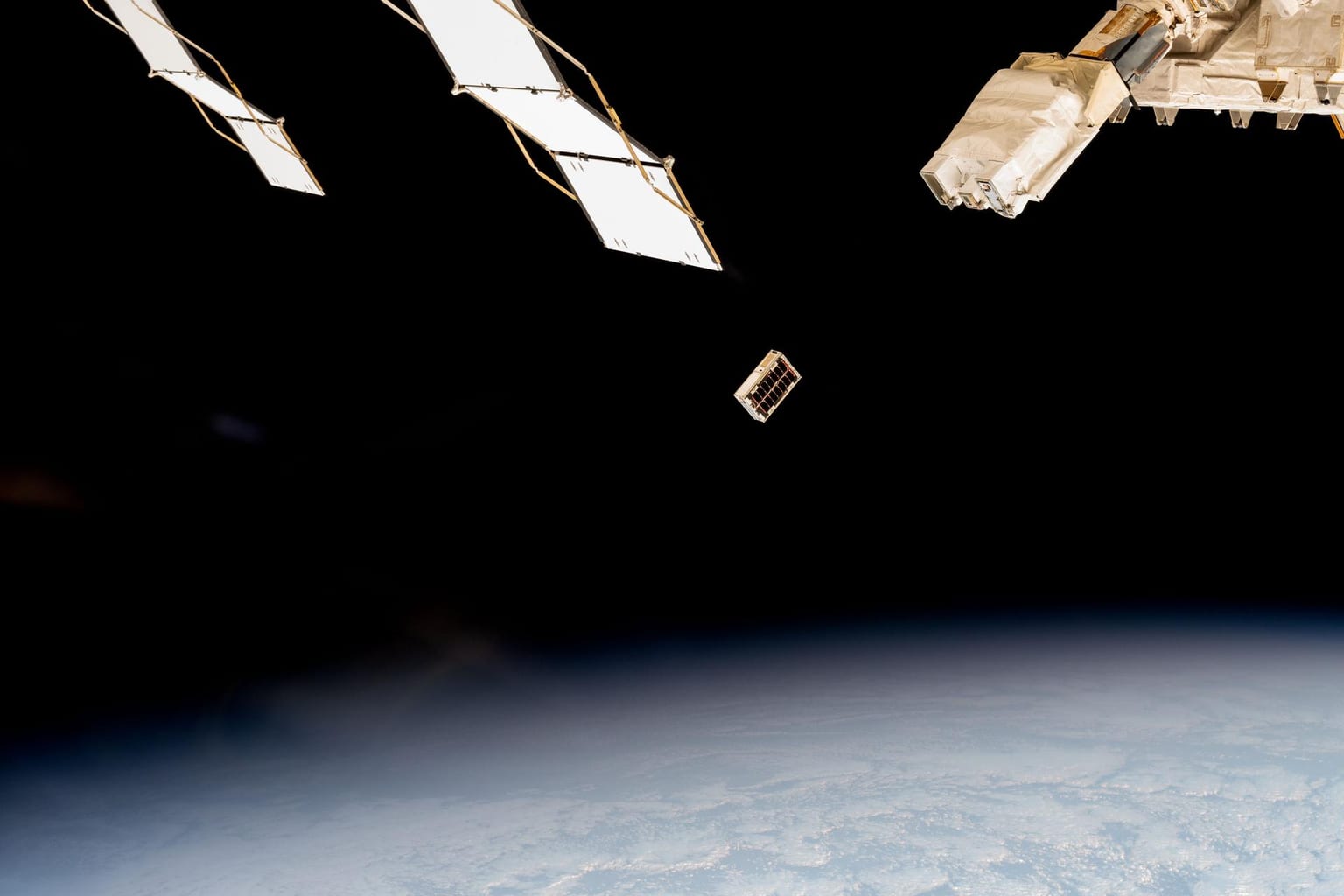
Naturally, Rama Afullo's first reaction was "Let's GOOOO." After 13 months of work, his startup Satlyt ran a successful test earlier this month, with the University of Houston, on a NASA-funded research project. The software planned where to run each job, across computers of which only one was in orbit, based on communication links and available compute.
Satellites today mostly collect data and send it down to Earth through downlinks, the radio links that bring information back to the ground, where people analyse it. Satlyt is building software that turns existing satellites into a network of processing units, so that AI and other applications can run onboard, closer to where the data is captured. In the test, the company built a simulated network of four computers, four users and eight services. Only one physical computer on a spacecraft in orbit ran the software; the other three were simulations. The software planned the work and sent the results back to Earth.
The result is a trade-off, Afullo said. One planning approach worked best, but it required more computing power than the others. The team also found a flaw in how it timed delays: the software recorded the arrival time of a message instead of the elapsed delay, which is a different measure. The company says the experiment did not fail, since "the software development, onboard execution, and return of outputs succeeded." NASA, for its part, has not selected the software for any mission, and has not chosen it to deploy its technology.
For a space agency, the appeal is practical. Afullo said NASA missions face the same limits Satlyt is targeting, "limited computing resources, intermittent communication, and the need to get useful information back to people." If a spacecraft sees a wildfire, the software could help it send the relevant information much faster, and make better use of short communication windows. Satlyt says its next technical steps are broader validation and integration, then demonstrations of computing work shared across separate spacecraft. Afullo also hopes to move beyond low Earth orbit soon, without giving a date. Longer term, the aim is for developers to write space applications without rebuilding the infrastructure for each mission.
Sources — read the originals(Paris time)
Read next
Comments
Loading the thread…
Sign in to leave a comment. Sign in