Sea-cucumber gel improves tendon healing in rats
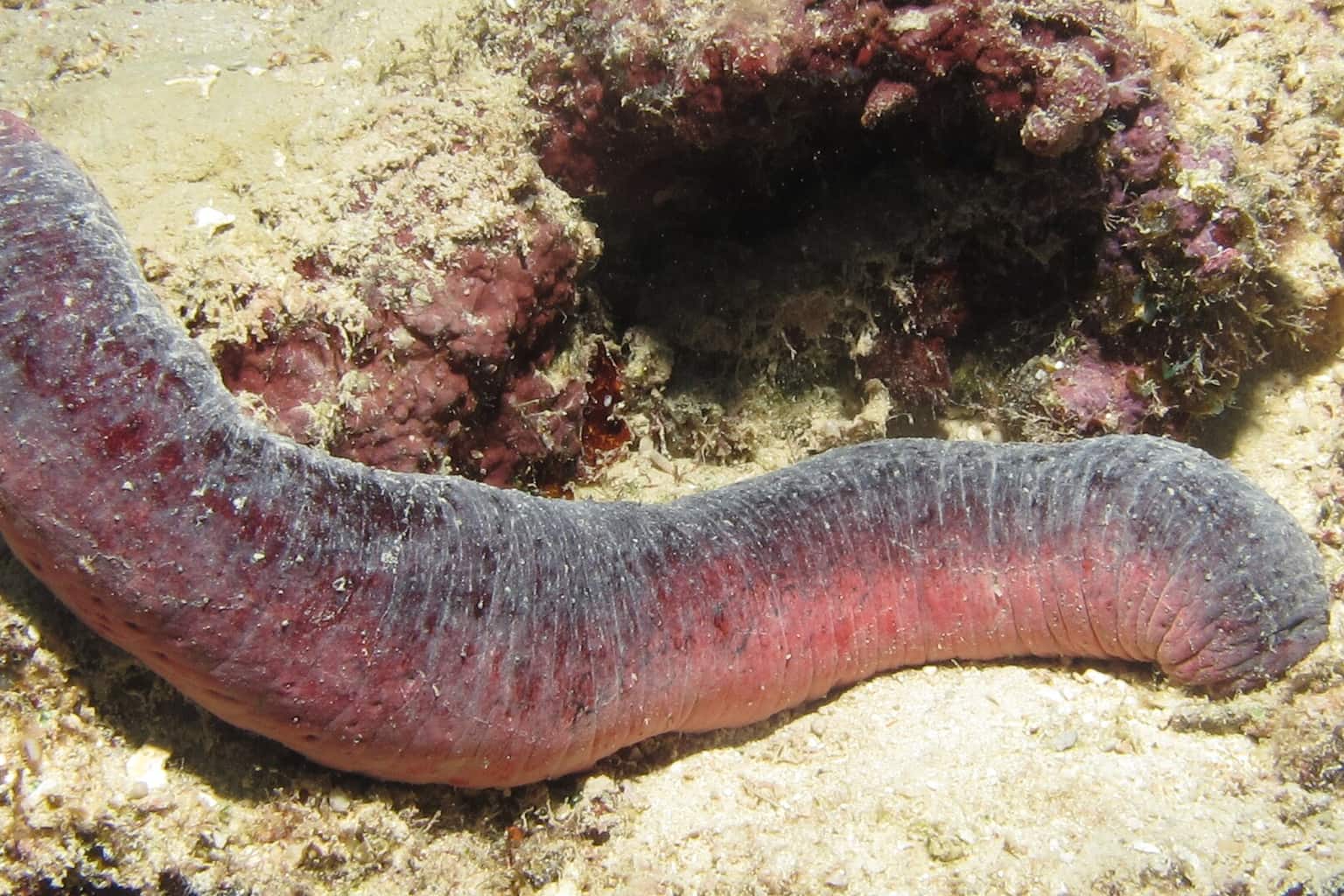
Inside the lab at the University of Waterloo, a small piece of gel can be pressed between two fingers and feels moist and flexible, like a soft sponge. It is designed to stay in the body for a while, support a damaged tendon, and then disappear. That is the promise of a hydrogel inspired by sea cucumbers, which can change the stiffness of their own bodies. In a preclinical study in rats, tendons treated with the gel healed better than tendons repaired with stitches alone.
The idea is simple to state and hard to build. Hydrogels are water-rich materials that can hold a shape inside the body, and many have been tested as temporary scaffolds for growing tissue. The difficulty is that soft tissues do not all need the same support. As Dr. Yimin Wu puts it, “A material placed near the soft brain must behave differently than one used to repair a hard tendon.” The Waterloo team made its gel adjustable: the researchers freeze the material to form its internal structure, then soak it in specially prepared salt solutions that make it softer or firmer, depending on the tissue it is meant to support.
In the rat experiments, the gel helped the tendons grow new tissue that was more organized than the tissue formed after stitching alone. Over the healing period, the gel was gradually broken down and absorbed by the body, over about eight weeks. The tendons were regenerated with comparable function to a healthy tendon, according to Dr. Youchao Teng, who led the project under Wu’s supervision. The study took nearly four years and involved collaborators at UCLA, the University of Louisville, and several other institutions in the United States, Taiwan, China and Canada.
For patients, the change would be a repair that does more than hold tissue together while it heals. If the gel proves safe and effective in larger animals and then in people, the same family of materials could be tuned for muscles, cartilage, skin or delicate tissue in the brain and other organs, each with its own stiffness. That is still a long road: the researchers say further work is needed on each of those tissues, and no timeline has been set. For now, the milestone is clear. Wu and Teng have applied for two patents and formed a company, and the next test is in larger animals.
Sources — read the originals(Paris time)
Read next
Comments
Loading the thread…
Sign in to leave a comment. Sign in