SEEQC and NVIDIA cut quantum decoding latency 50%
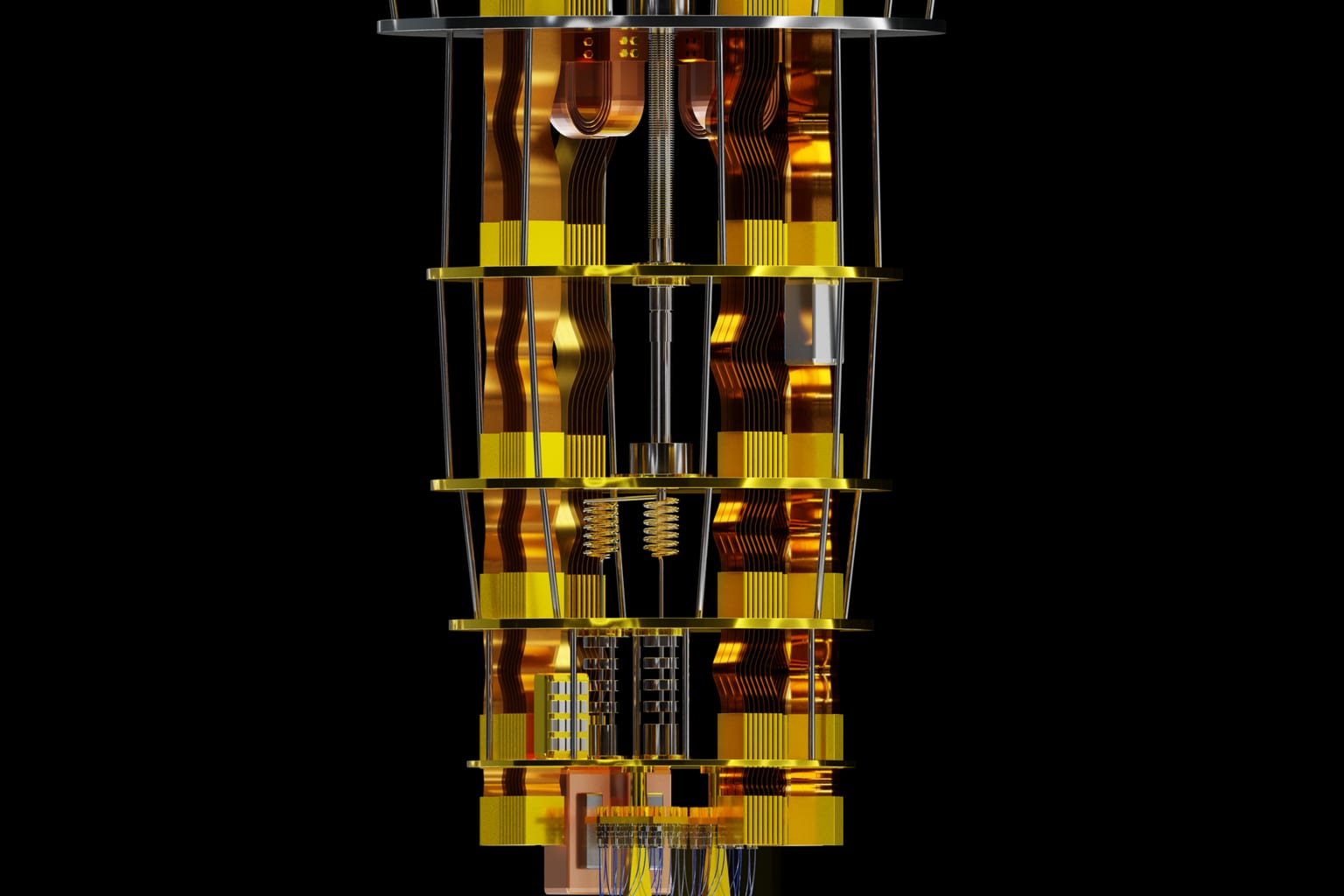
A quantum computer's qubits can be knocked off course by a stray disturbance from their environment or by a control operation that is slightly off. Those errors add up, and a calculation can collapse before it finishes. Fixing them is the job of quantum error correction, and the speed at which the fix arrives is now one of the hard limits on building larger machines.
The method works by spreading one logical qubit's information across several physical qubits and taking measurements that reveal errors without reading, and so destroying, the encoded data. A classical computer then processes those measurements to decide which corrections to apply. That step is called decoding. Two measures matter here: decoding latency, the time needed to process the error information, and the logical error rate, which tells how often an encoded qubit still fails. As processors grow, the data to process grows with them, and the time and computing power available for correction shrink.
SEEQC, a US quantum computing company, says it has tackled this by moving part of the work closer to the chip. Its chip-based pre-decoder processes some of the error information near the quantum processing unit (QPU), before sending it on. The rest goes to NVIDIA's Ising, an open family of AI models that includes error-correction tools, and reaches GPU-accelerated computers through NVIDIA NVQLink, an interface built to connect quantum processors with graphics processors. In a simulated processor and architecture, the combined setup reduced decoding latency by approximately 50% compared with Ising running on its own. SEEQC also reports improved logical error-rate performance, without giving a figure.
The limits are clear, and the company does not hide them. The test ran on a simulation, not on a working physical quantum computer, and the announcement does not show that the 50% gain would cut the total resources needed for a fault-tolerant machine by the same proportion. What the result does show is that splitting the decoding work between specialized chips and GPUs can improve key parts of the correction pipeline.
For teams building fault-tolerant machines, the value lies in a shorter feedback loop between qubits and classical hardware. SEEQC's CEO, John Levy, said the results show how digital chip technology could improve the link between quantum processors and high-performance computing. The company's next step is to integrate the components it has tested at system level and to work toward chip-to-chip integration of a quantum processor with advanced computing infrastructure. No date for that work has been given, and the company also plans to look for further gains in error correction and other hybrid quantum-classical tasks.
Sources — read the originals(Paris time)
Read next
Comments
Loading the thread…
Sign in to leave a comment. Sign in