Simulated Earth without life predicts 19 planetary properties
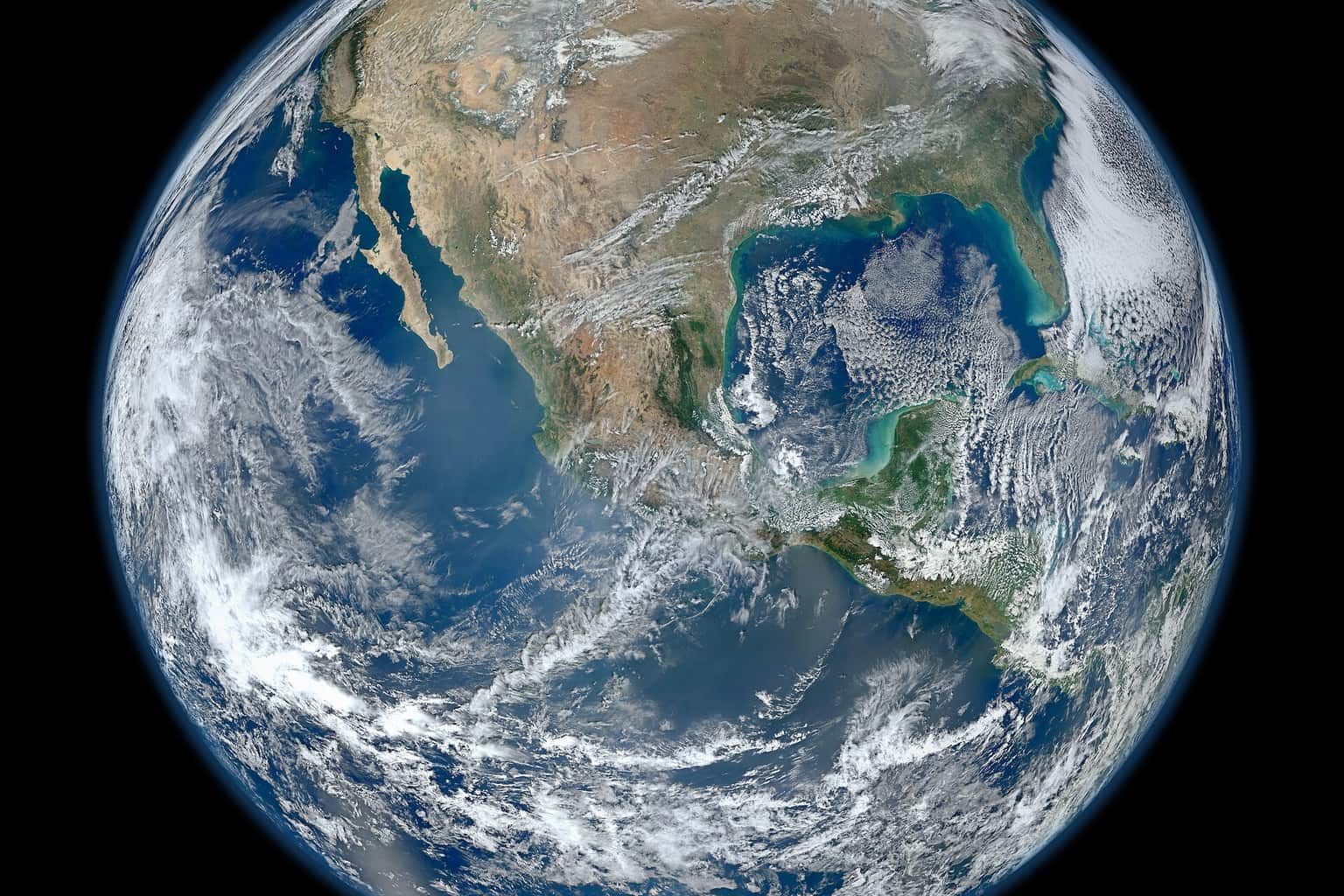
Inside a computer, Earth has run for 5 billion years with no life on it at all. The model, built by researchers at the University of Washington, follows the planet’s chemistry from its formation 4.5 billion years ago to roughly 500 million years in the future. In a paper published on September 18 in The Planetary Science Journal, it accurately predicted 19 planetary properties, such as heat flow through the mantle, while leaving life out of every calculation.
The stakes come from a distinction astronomers now have to draw. More than 6,000 planets beyond the solar system have been catalogued, and astronomers are searching the atmospheres of the most promising ones for chemicals that might be byproducts of life. A planet can be habitable, with liquid water on its surface, without being inhabited. To tell the two apart, researchers first need to know which atmospheres can be explained without life.
The team started from a model built in the lab of Rory Barnes, a University of Washington associate professor of astronomy. That earlier version simulated the core, mantle, crust and stellar radiation, but not the surface or the atmosphere. Samantha Gilbert-Janizek added those two layers, so that chemicals now move between the core, mantle, crust, surface and atmosphere over time. The logic comes from our own planet: plants and animals pump steady streams of oxygen and methane into the air, and those two gases destroy each other when they mix. An astronomer studying Earth from afar might therefore suspect that something alive is replenishing both.
For astronomers, the gain is a test they can run. A researcher enters basic details of a rocky exoplanet and checks whether the model reproduces the observed atmosphere without life. If it cannot, the planet becomes even more interesting. Gilbert-Janizek says the work can also inform the design of future telescopes, such as the proposed Habitable Worlds Observatory, a project that she describes as requiring decades of work across many generations of scientists. The team gives no date for that telescope, and it does not say when the model will first be applied to a specific exoplanet.
Barnes says that reproducing Earth’s core, mantle, surface and atmosphere together gives “confidence that future simulations of exoplanets will be accurate.” Gilbert-Janizek places her work in a longer line of effort, hoping to pass the work on to the next generation so that researchers can keep chipping away at whether or not we are alone in the universe.
Sources — read the originals(Paris time)
Read next
Comments
Loading the thread…
Sign in to leave a comment. Sign in