Six humanoid robots run a Shanghai convenience store for 24 hours
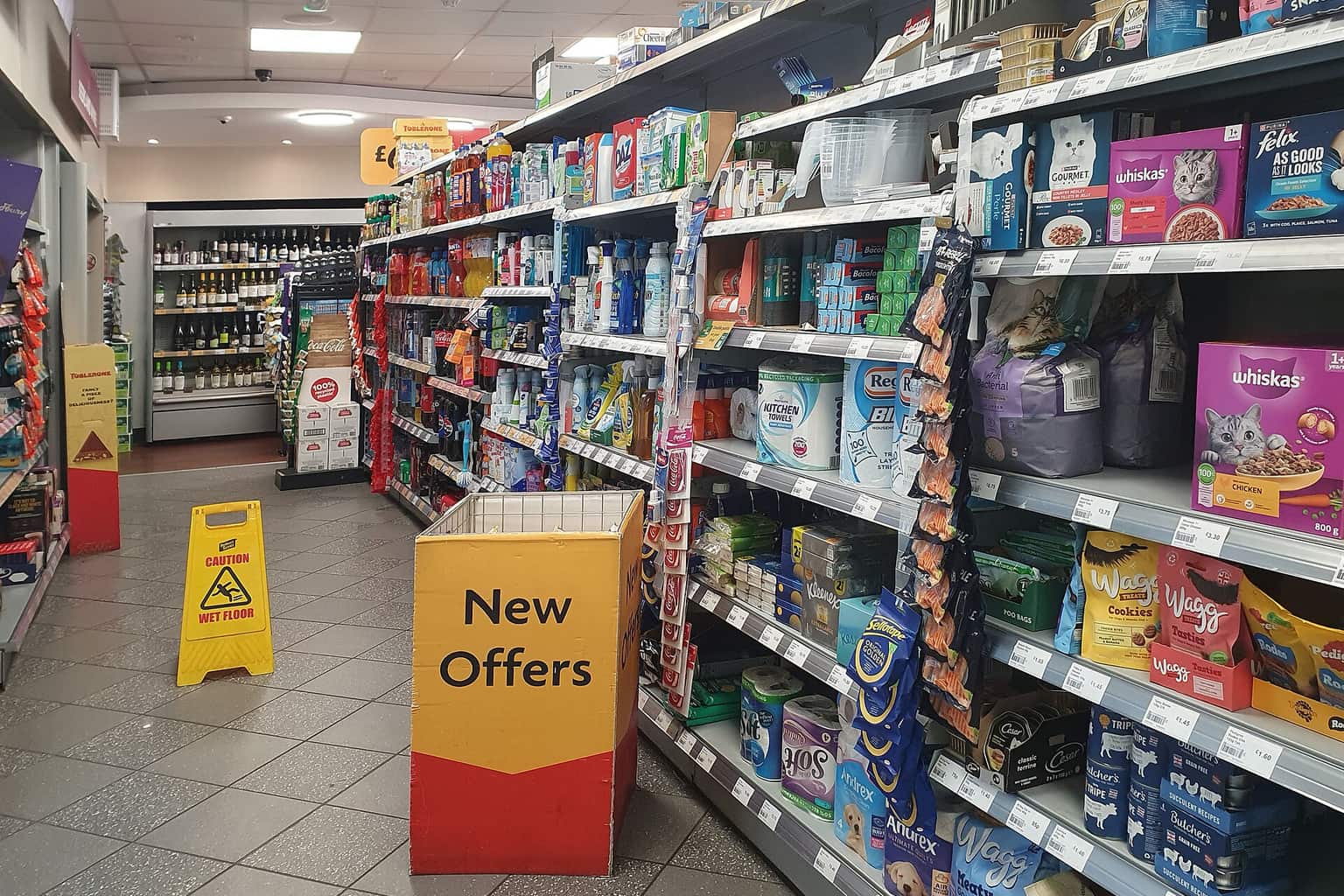
At 10:00 on November 2, a convenience store in Shanghai's Xuhui district opened for a 24-hour livestream challenge that AgiBot says drew more than 2 million online viewers. The testers were not gentle. They mixed regular and sugar-free cola and asked only for the sugar-free one. They scrambled a full shelf of chewing gum. They stood in the aisles and dropped boxes in the robots' path.
Each of the six G2 humanoids had a fixed role. One greeted customers at the door, two handled picking, restocking and shelf patrols, one made coffee, one ran the checkout and hot food, and one cleaned tables. By AgiBot's final count, the robots completed 1,730 tasks: 683 customer receptions, 369 item fetches and deliveries, 147 coffees, 126 breakfast orders, 277 restocking and shelf checks and 128 table cleanings. Four of the six passed the event's probation review, which weighed task completion, response speed, handling of exceptions and customer feedback.
All six were coordinated by Genie Master, AgiBot's embodied agent framework, which links task decisions, motion execution and feedback through what the company calls its Embodied Execution Protocol. Each day the system reviews successful and failed runs, stores useful experience in long-term memory and filters corrected attempts into training data, and the robots practiced during quiet hours. In the shop, the robots confirmed drinks by combining the voice request with visual checks. They restored shelves by counting items visually rather than relying on price-tag positions, and they stopped and rerouted around obstacles. Fine handling remained the hardest part: hanging bags of candy on hooks and lifting soft cake without crushing it. The robots did fail at times. AgiBot says the test ran with no human in the loop, meaning no human demonstrations and no manual on-site tuning.
Ren Guanghui, a vice president at AgiBot's embodied research center, told the media that the company would track task success rate, first-attempt success, response time, end-to-end time, qualified deliveries per unit of time, human takeover frequency, recovery time and system availability. The figures released at the close were task counts only. AgiBot has not yet published success rates or takeover numbers, so the share of tasks done unaided remains unmeasured in public.
The store run closed AgiBot's AI WAVE release series, which began on October 22 and brought the company's datasets, simulation platform, models and robot hardware into a single live deployment. For retailers weighing robot staff, the test shows that a full shift of mixed tasks can run in a working store. The next numbers to watch are the ones AgiBot has promised but not yet released: first-attempt success rates and how often a human had to step in.
Sources — read the originals(Paris time)
Read next
Comments
Loading the thread…
Sign in to leave a comment. Sign in